Sam Boardman Returns to Writing After Two Years of Racing and Self-Doubt
After racing across the US and Europe, Sam Boardman explains how disappointment and imposter syndrome kept him from writing—and why he’s back.
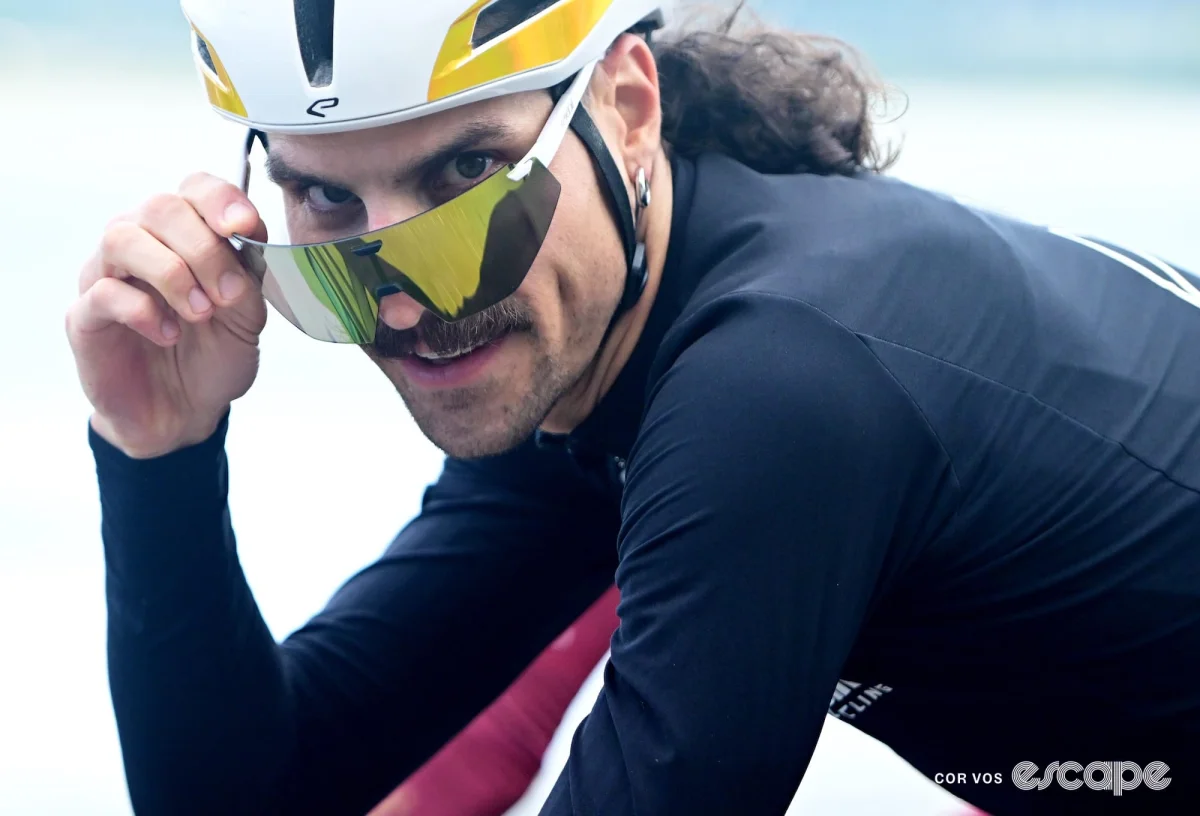
Sam Boardman spent the past two years racing across the US and Europe. The results weren’t always what he wanted, and eventually the gap between his life on the bike and the stories he felt able to tell became too wide. Now he’s returning to writing with more experience, a clearer view of that silence, and the same appetite for cycling’s strange details.
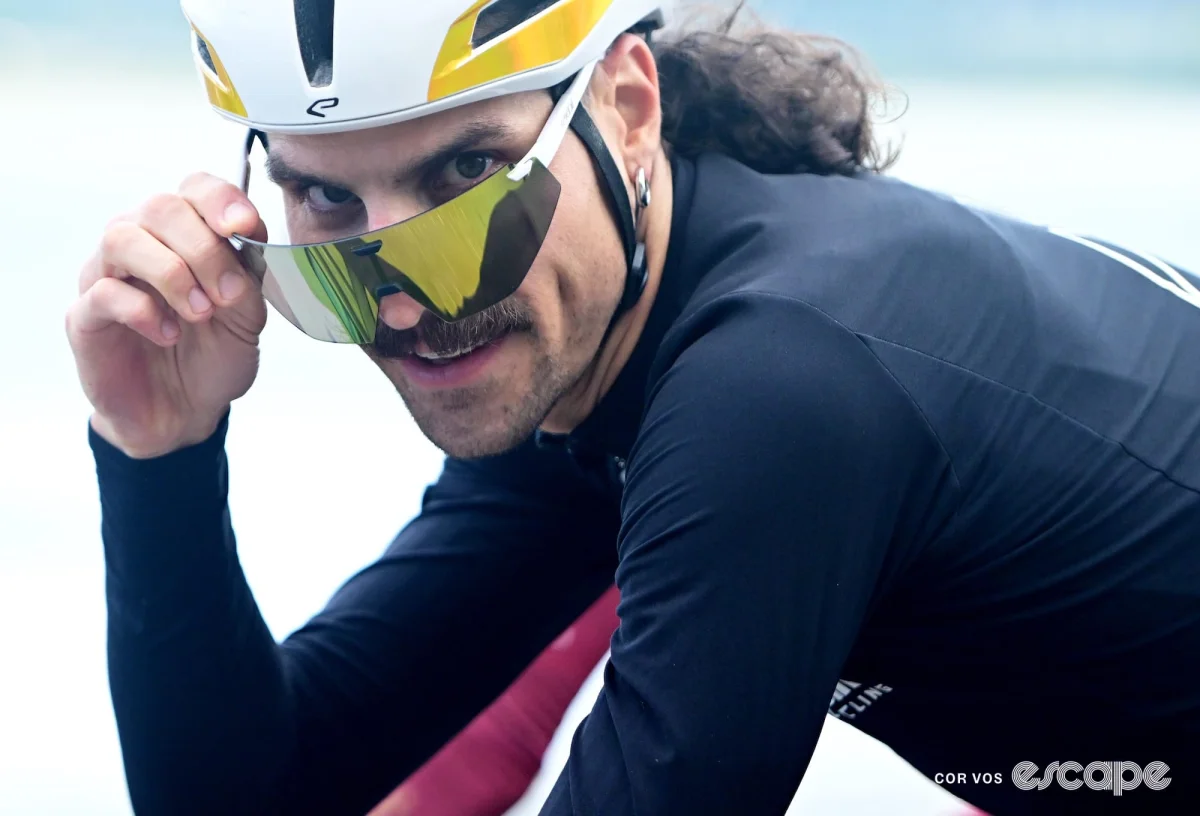
His last dispatch found him after the US National Championships, squeezed into a worn Subaru Outback as it rolled through West Virginia at night. He had just finished his first block of European competition and a successful run of American races. His body, he joked, had crumbled to the texture of a Nature Valley granola bar; his spirits, somehow, remained high. He promised more reports from inside the sport. Then the reports stopped.
There was no dramatic disappearance in the Appalachian woods, despite the ominous possibilities offered by a midnight drive and a team car breaking down on I-79. Boardman’s detour was inward. He describes getting lost in his own head, and learning, with help from others, to find his way through it. The two-year gap feels longer in cycling time, where a season can carry the weight of several ordinary years.
A racing life lived out of a bag
Boardman wasn’t away from competition. If anything, he was racing so often that his life began to look like a map drawn in frantic loops: repeated trips across America, stretches in several countries overseas, and stops that might last a couple of weeks or just a day or two. A suitcase and backpack became the practical kit for a schedule built around getting to the next race.
That constant movement gave him plenty to write about. He encountered different settings, languages, disciplines and levels of racing, including towns whose names he could barely pronounce. Hungary gets a particular mention. To Boardman, the traveling racer can look less like a settled athlete than someone perpetually on the run, with the next start line serving as a reason to keep moving.
His racing has also carried him into Modern Adventure Pro Cycling, where he now competes at ProTeam level. The team’s Paris-Roubaix debut offers one glimpse of that world: a race that many considered premature for the squad, but that veteran Robin Carpenter described as an opportunity too difficult to pass up. Boardman’s wider account is less about any single result than about the accumulating experience of showing up across a scattered, demanding calendar.
When the same story stopped feeling worth telling
The obstacle to writing wasn’t a lack of material. It was imposter syndrome, fed by disappointment with his performances. Boardman says that voice grew until it persuaded him his experiences no longer deserved a reader’s attention. The more often he felt he was falling short, the harder it became to see a fresh story in the next race.
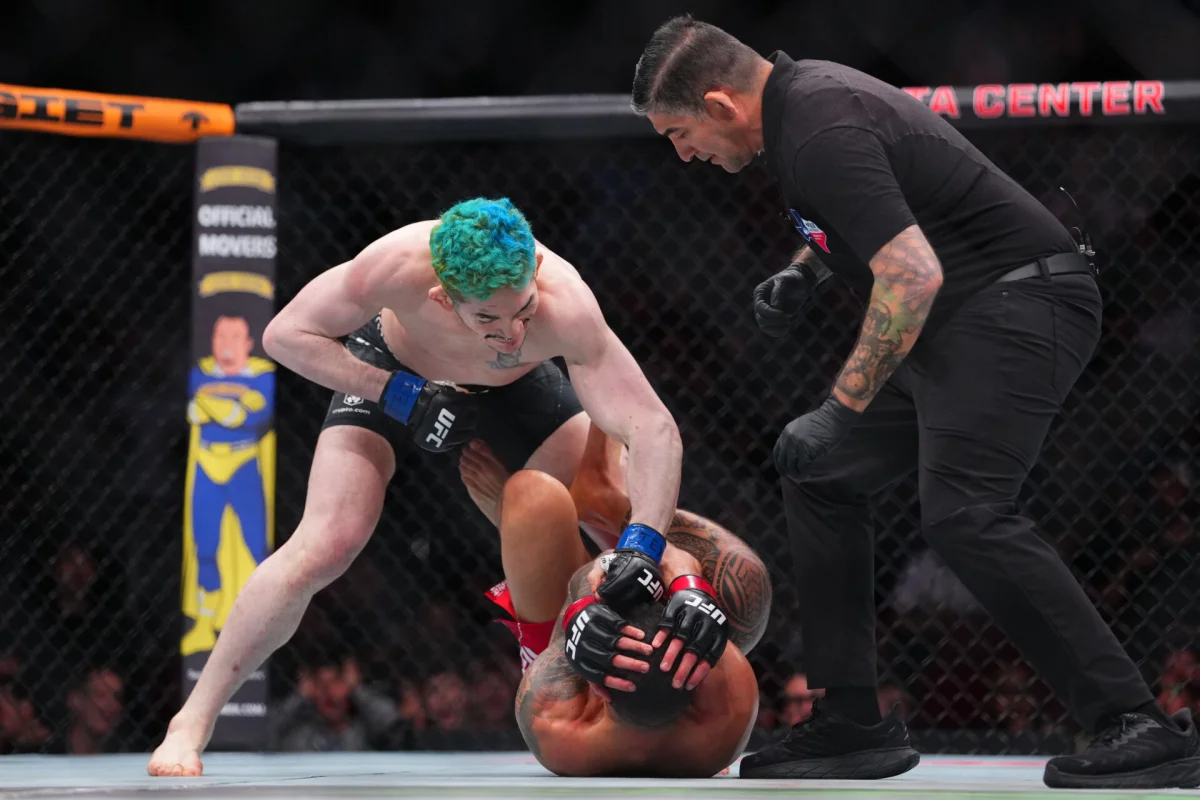
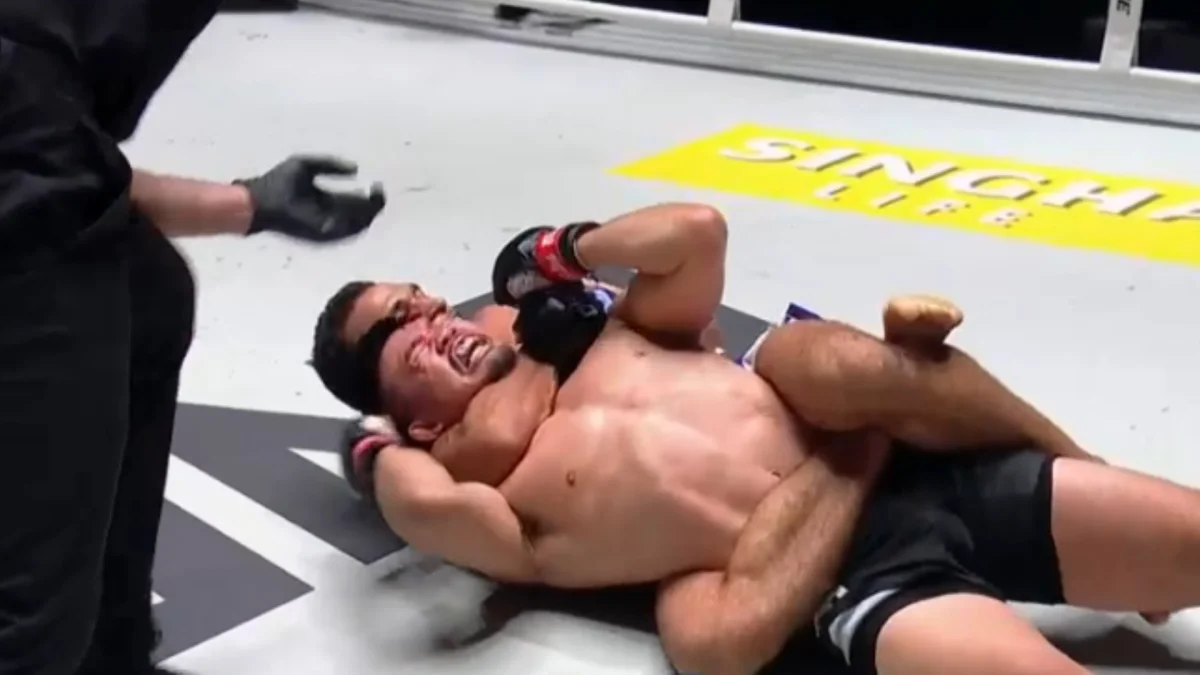
That reluctance grew from a tension he had already explored in his earlier work. He once wrote openly about getting dropped, arguing that there was value in showing the human cost of a sport that can appear increasingly controlled and procedural. The account made room for the suffering involved in simply finishing, especially for riders nowhere near the fight for a result.
But a single difficult day and a repeated pattern can feel different from the writer’s side. When being dropped seemed to define much of his racing, Boardman began to wonder whether readers would want another account of the same struggle. He worried that he was offering a reheated version of events: he tried, he fell apart, he made it to the finish. Calling it failure became easier than asking what the experience might still reveal.
That judgment also shaped what he shared outside his articles. Boardman says he gradually stopped posting race recaps on most of his social media, because the updates felt like repetitions of the same disappointment. His imagined reader wanted relief from everyday troubles, he reasoned, not another report about a smaller rider being hurt by the sport’s strongest competitors.
More experience, a different measure of a story
There’s an obvious irony in that decision: the very frustration he thought made his stories monotonous is part of what gives his return its weight. Boardman had written about the vulnerability of being dropped before. As that experience became more common, he stopped trusting the subject. Now he’s describing not only the races but the pressure he put on himself to make every account feel like a success.
His return doesn’t depend on claiming that the past two years were a triumph. It begins with a more useful recognition: racing can produce stories even when the result doesn’t match the work, and a rider’s view of the sport includes repetition, doubt and the effort to keep turning up. That perspective can fill in some of the gaps between the polished accounts of results and the less tidy process of living through a season.
Boardman has more racing behind him now and, by his account, a better understanding of how to navigate his own thoughts. He promises to bring readers back into that world, where international travel, hard days and the sport’s absurdities share the same frame. The next chapter’s value won’t hinge on whether every race ends well; it will depend on what he notices when it doesn’t.