Giant Anthem Advanced SL 2: A Fast XC Bike That Excels on Rough Ground
The 120 mm Anthem Advanced SL 2 pairs a light frame with plush, predictable suspension and confident descending, though its cockpit and wheels have drawbacks.
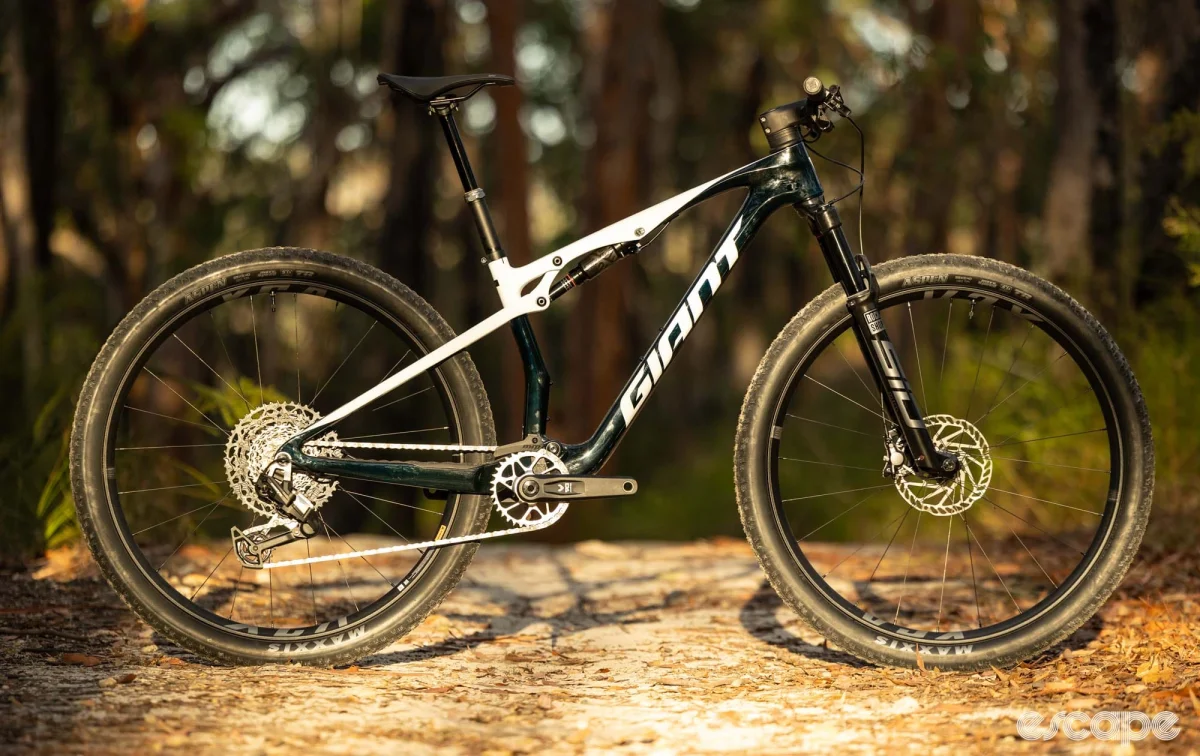
Giant’s Anthem Advanced SL 2 makes its strongest case where a cross-country bike has to do more than climb efficiently. Its 120 mm suspension stays composed over small bumps, the low bottom bracket helps it hold a line, and the bike descends with a confidence that gives the lightweight frame a broader range than its race focus might suggest. At US$5,600 / AU$8,500 / £5,300 and 11.55 kg in a medium build without pedals or cages, it’s a premium package with some clear compromises.
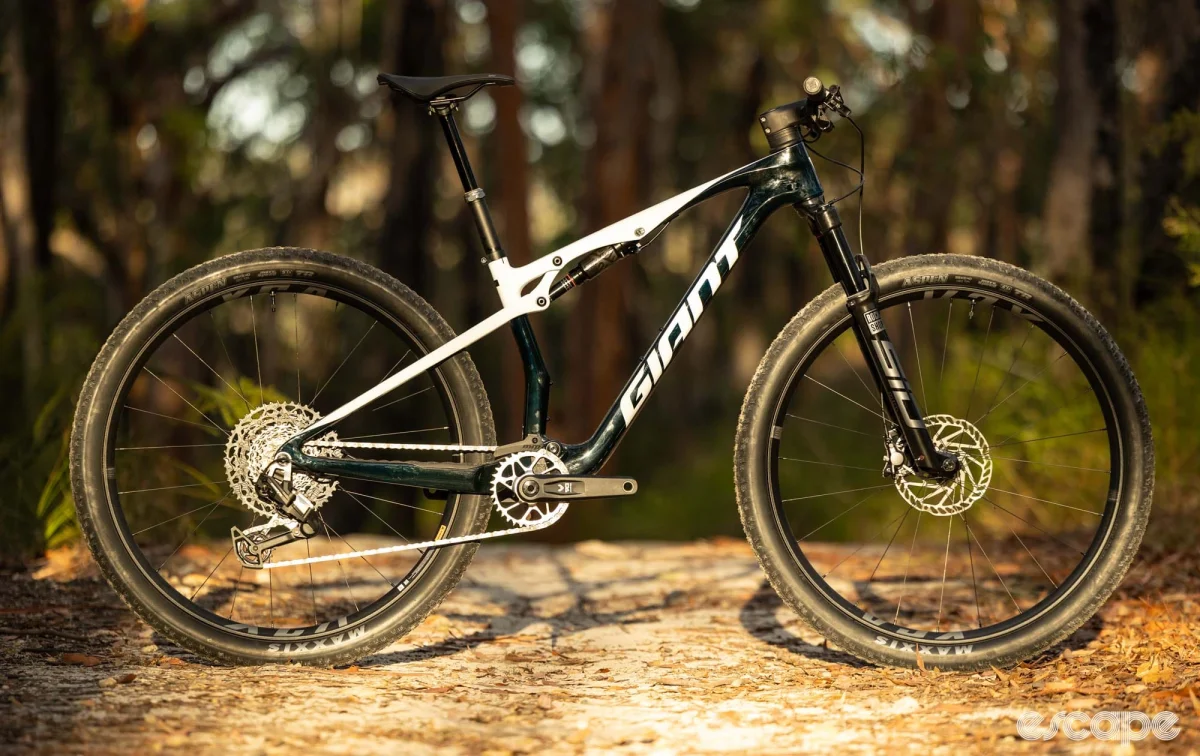
This long-term review covers the 2026 model; the only change for 2027 is a switch to Giant’s Switch AT dropper post. The revised Anthem platform arrived almost a year ago, retaining its flexstay suspension concept while moving the rear shock into the top tube. That layout creates room for two bottles inside the front triangle and brings the bike closer to the current cross-country format. The new frame may look familiar beside competitors, but its suspension character gives it a distinct feel.
A race frame with a different suspension idea
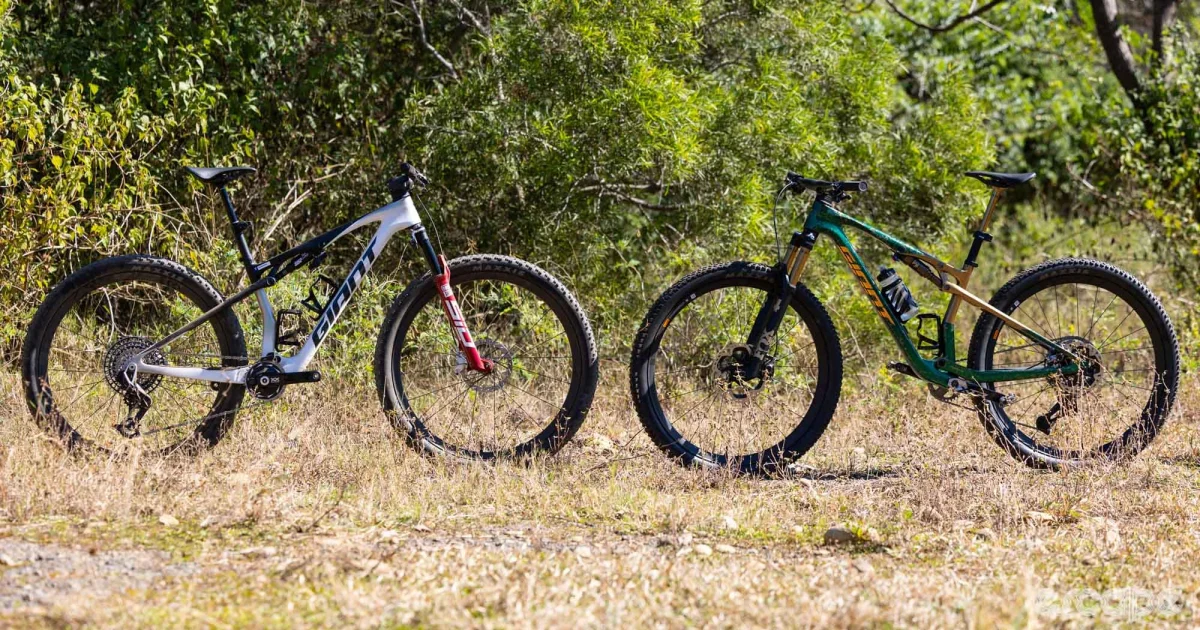
The standard Anthem is Giant’s race-oriented version, with 120 mm of travel at both ends, 29-inch wheels and remote lockouts or Flight Attendant, depending on the build. Alan Hatherly won a World Championship title on the platform before its official release. The Anthem X takes a less race-specific route: it uses a 130 mm Fox fork, drops the remote lockouts, adds a down-tube storage hatch and beefier tyres, and has a slightly shorter stem.
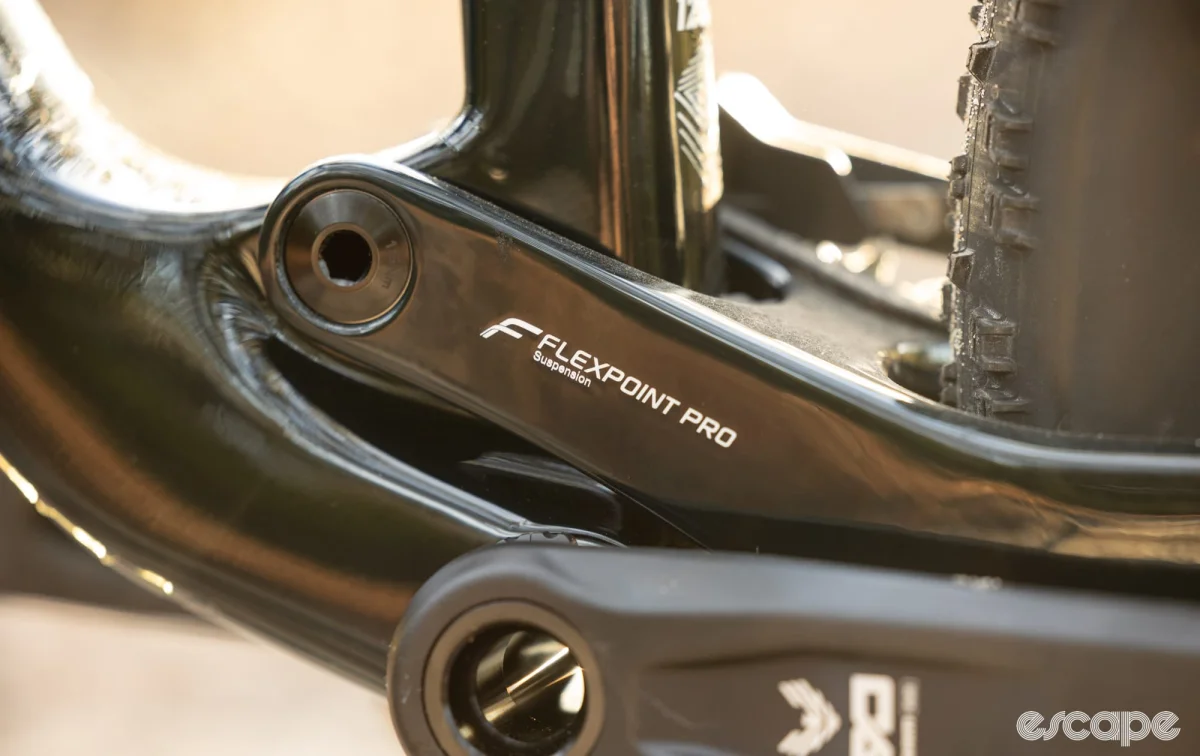
Giant’s FlexPoint Pro design is intended to keep frame flex from influencing the shock as much as it can in a conventional flexstay setup. The company also aimed to reduce the high leverage rates common on cross-country bikes. A 210 x 50 mm shock, compared with the more usual 190 x 45 mm size, allows a larger air spring. Giant says that produces a more supple, linear response across the rear wheel’s 120 mm of travel. The shocks aren’t proprietary, though Giant worked with RockShox for the Anthem and Fox for the Anthem X to develop a middle-sized air volume.
On the trail, the result is a steady suspension feel and strong small-bump comfort. The rear end remains useful when the surface turns rough, and the bike’s descending composure stands out for a race-focused machine. Climbing is another strength: it stays light and capable on technical ground, with the low bottom bracket helping the bike feel planted. That height has a trade-off, since shorter cranks could reduce pedal strikes.
Premium construction, with weight in context
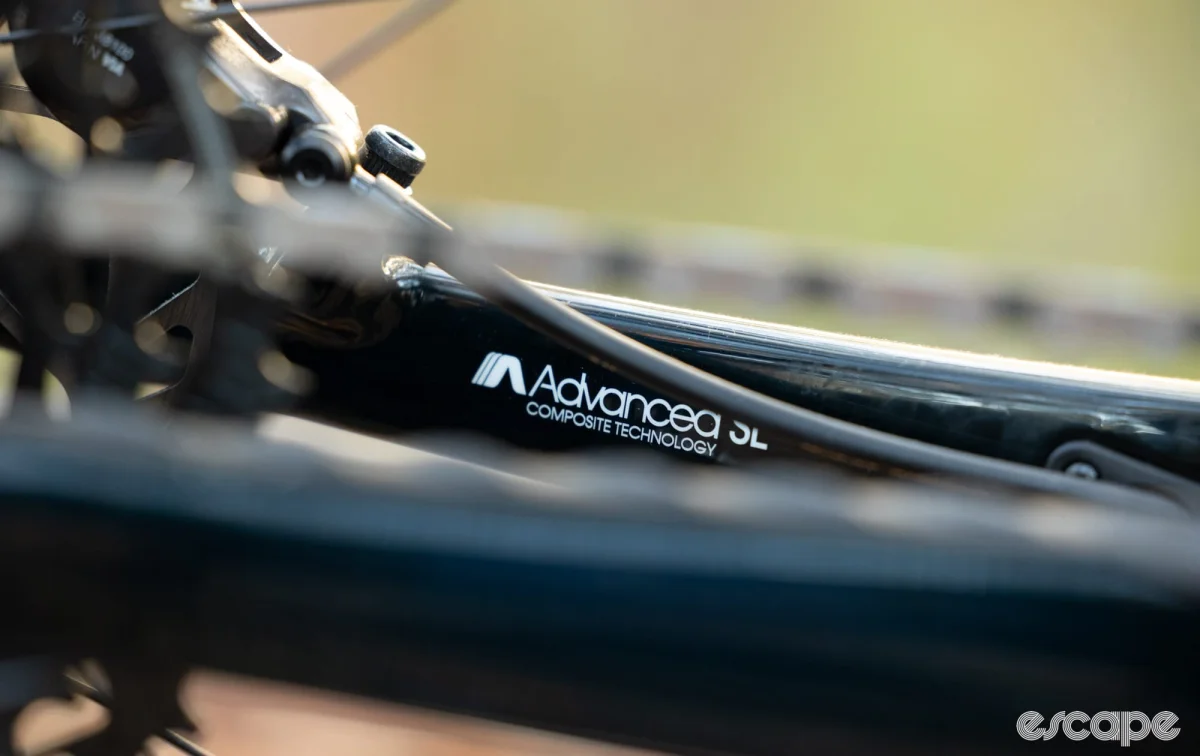
Advanced SL is Giant’s flagship frame tier, comparable in its range to offerings such as Specialized S-Works, Canyon CFR, Cannondale Lab71 and Trek 9-series. Giant uses semi-rigid mandrels and robotic placement of carbon layup pieces to control material and manufacturing consistency. The company says that lets it use less material and save weight.
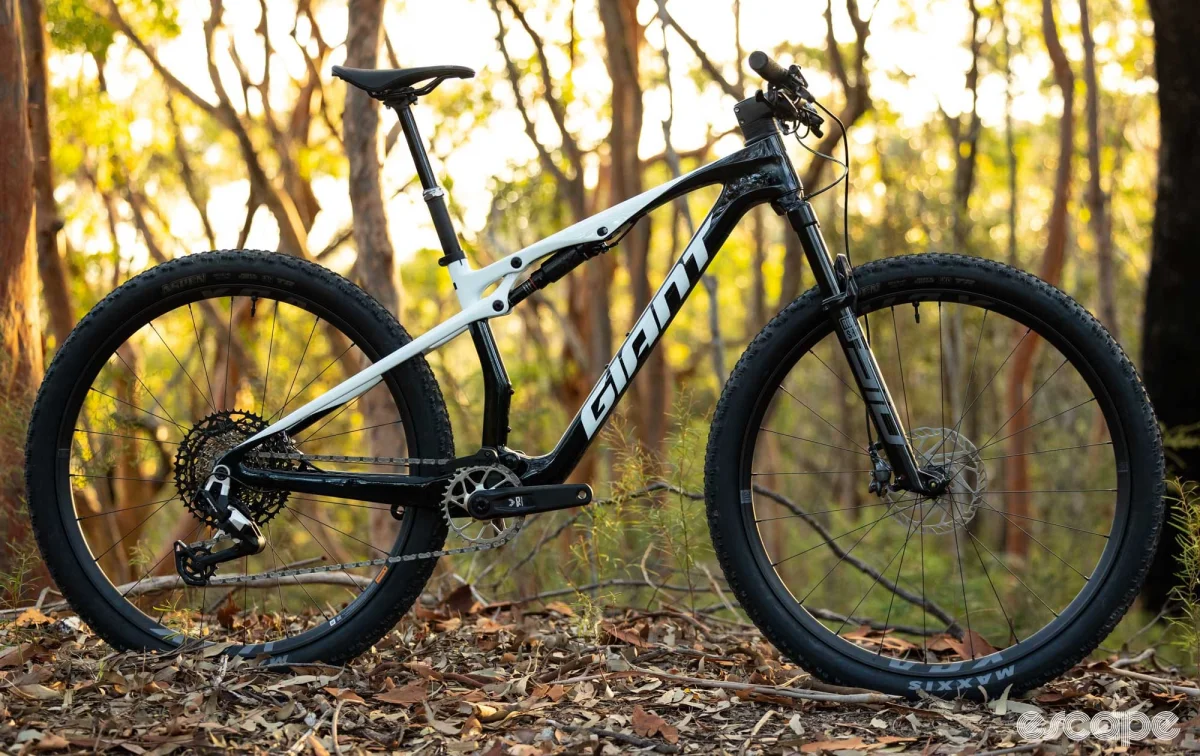
The bare Advanced SL frame is claimed to weigh 1,530 g in a medium size, without hardware or shock. With those parts added, it comes in a little above 1,800 g: competitive, though well behind the claimed 1,589 g for the Specialized S-Works Epic 9 with shock. The Yeti ASR Turq, Orbea Oiz OMX and previous Epic 8 are much closer, with differences around the weight of an energy bar.
Giant has since introduced an Advanced Pro version in select markets. It uses the same mould and frame features, but lower-cost materials and simpler manufacturing add weight; the company hasn’t disclosed how much. The SL 2 tested here sits within a wide Advanced SL range, from the rarely available SL 3 to the 10.46 kg SL SE, priced at US$14,500 / AU$18,500 / £10,500. Comparing prices across brands is complicated by how many competitors move to less expensive frames as their builds become more affordable.
Integration brings trade-offs
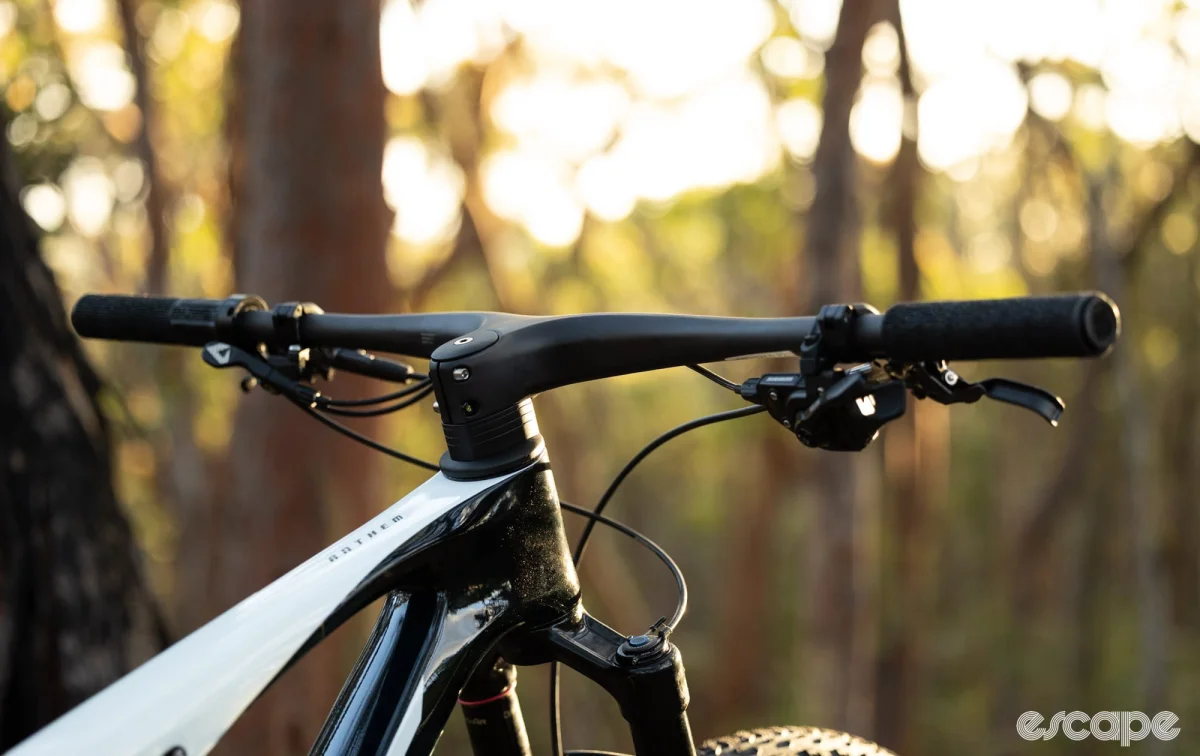
Giant treats the Anthem as a complete system, with model-dependent carbon or alloy wheels, a two-position dropper and a one-piece cockpit that routes most cables through shaped headset spacers. The integrated bar tidies the front end, but the cable routing and one-piece design will divide riders, particularly with so many lines running through the cockpit. The headset has secondary sealing, a useful detail; the grips, by contrast, feel slippery. The wheels are noisy, and the dropper is underwhelming.
Other specifications reflect familiar Giant choices. The frame officially clears 29 x 2.4-inch tyres, takes a recommended maximum 34-tooth chainring, and keeps a PF92 press-fit bottom bracket despite market demand for threaded designs. Giant says the wider down tube supports the pedalling efficiency it targets. Chainguide tabs are included, and the bikes come with an MRP SL TR2 guide.
The tested SL 2 weighed 11.55 kg with 60 ml of tubeless sealant in each tyre, but without pedals or cages. For its price, its appeal rests less on a single headline number than on the way its suspension, frame and handling work together. It feels quick without becoming harsh, and it can take on technical descents without losing its race-bike character.
Availability remains a major constraint for riders in the United States: Giant says the Anthem range has not reached the country because of a U.S. Customs restriction, and the company has no timeline for clearance. For riders who can buy one, the SL 2 looks like a compelling cross-country option for courses where traction and control matter as much as outright weight.