Sarah Sherman and Stavros Halkias Target Dana White Over UFC Pay and Politics
Sherman’s criticism connects White’s political ties to a wider frustration with fighter pay, bonuses and the UFC’s public image.
Sarah Sherman’s reluctance to attend UFC events comes down to more than the fights. The Saturday Night Live performer says Dana White’s political alignment has changed how she sees the promotion, while the UFC’s pay structure gives her another reason to question its appeal. Her conversation with comedian Stavros Halkias puts two separate pressures on the sport’s image in the same frame: who it associates with, and how it compensates the athletes in the cage.
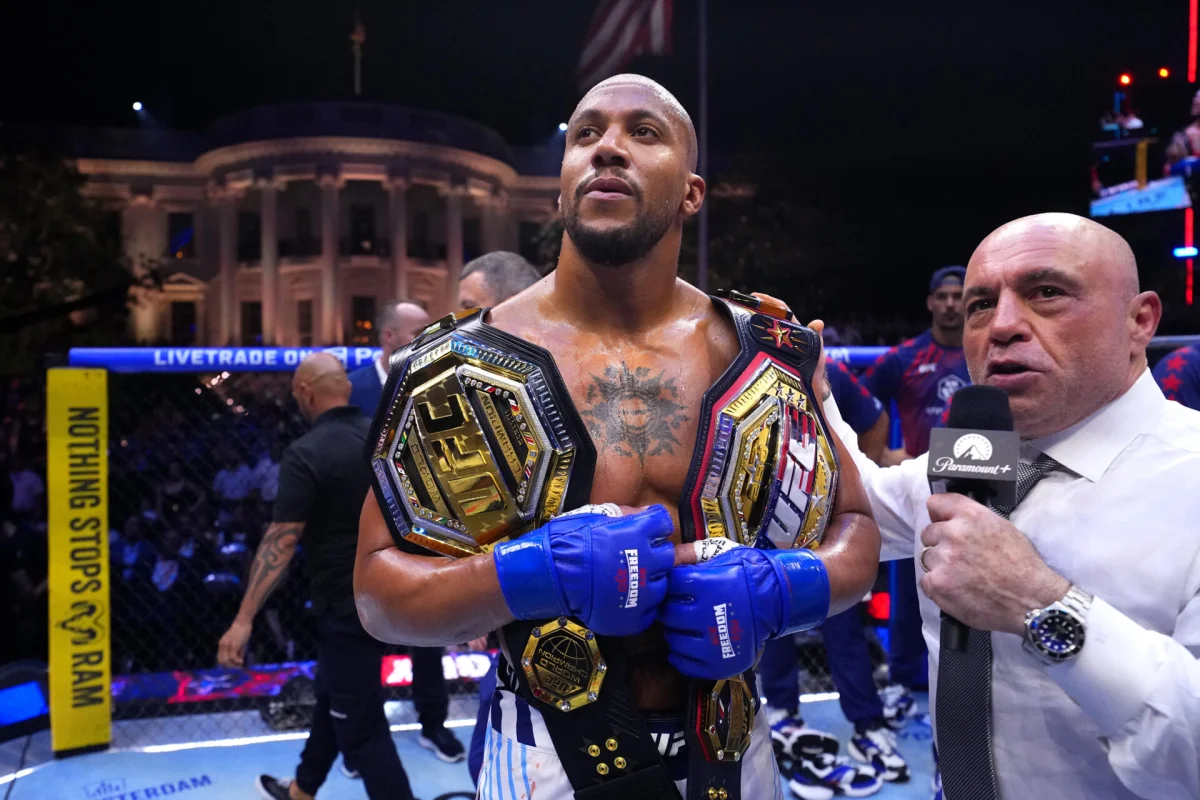
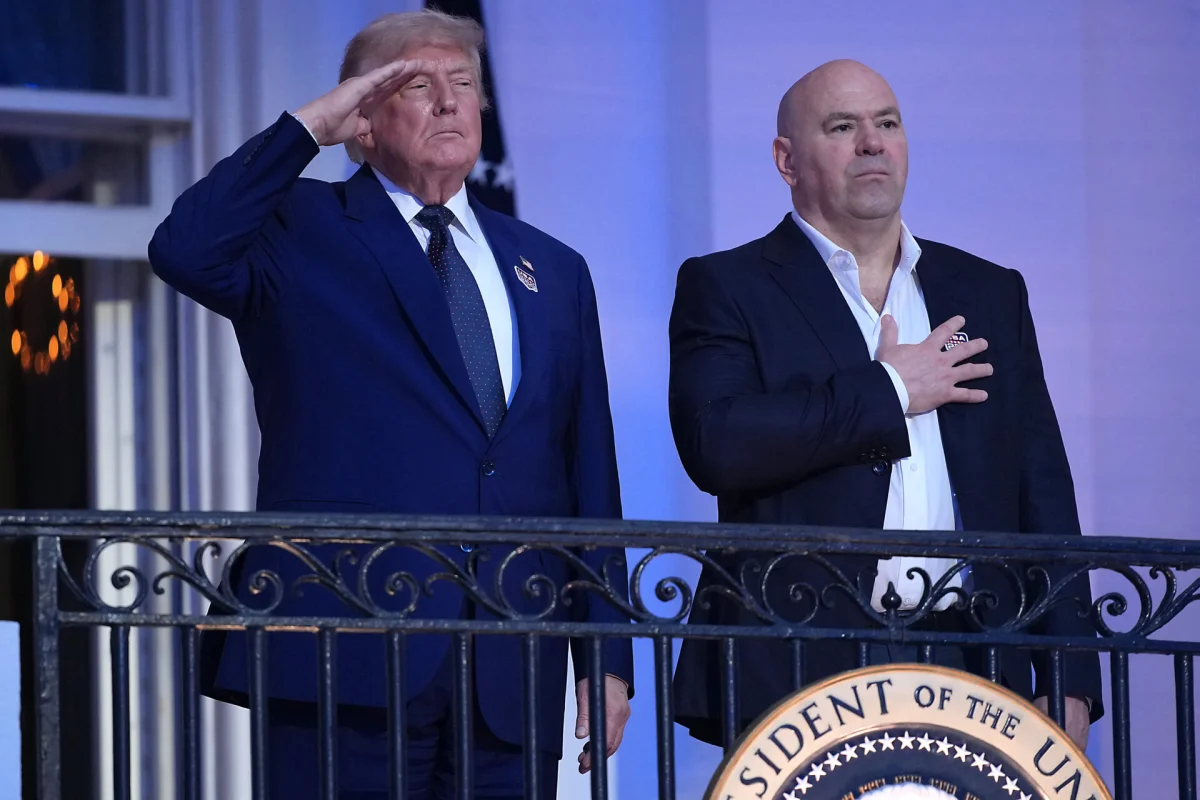
White, the UFC’s chief executive, has become a close ally of Donald Trump and a visible part of major events. Their relationship has included Trump appearing cageside and White speaking in support of him at the Republican National Convention. A planned fight night on the White House lawn this summer became a further illustration of how closely the UFC’s public identity has become tied to White’s political relationships.
That visibility has helped make White’s choices a point of discussion beyond the usual audience for MMA. Halkias argued on his Stavvy’s World podcast that the sport’s association with Trump has made it harder for him to enjoy watching. Sherman, who said her brother and comedian Jack Bensinger introduced her to the UFC this summer, described being drawn to the fights while feeling uncomfortable about attending an event.
Sherman’s interest meets resistance
“My brother Jack and Jack Bensinger got me really addicted to UFC this summer,” Sherman said. She told Halkias she could arrange tickets for the group, then questioned whether going would feel right: “But isn’t it a little evil? It’s just, Dana White is evil.”
Halkias answered with a much harsher assessment of people who remain close to White, and Sherman agreed with his characterization. His language was deliberately crude, but the point underneath it was clear: in his view, White’s continued closeness to Trump now shapes the experience of following the UFC. Halkias said the association had put a “real dampener” on his appreciation of the sport.
For Sherman, that tension sits alongside a strong attraction to the competition itself. She said watching MMA was “the most amazing thing I’ve ever seen,” and described the sport’s roots as working class. Her comments suggest that her objection isn’t to the athletes or the physical contest. It’s to the public choices made by the company’s leader, and to the way those choices can become part of the event for fans.
That distinction matters for a promotion whose biggest shows depend on attention well beyond the fight card. White’s visibility can draw interest, but it can also make the UFC’s identity harder to separate from his personal alliances. Halkias said he and his siblings have stopped going out to watch fights because of the company’s association with the MAGA movement. Unless a card feels unmissable, he said, he’d rather stream it than support the event in person.
Fighter pay adds another point of friction
The conversation also turned to what fighters earn. Sherman asked whether UFC athletes get paid, saying, “They get annihilated.” Halkias agreed that the pay structure was “so f—ed up,” and said performance bonuses are where many fighters’ meaningful earnings come from. Sherman’s wording may overstate the case, but the exchange points to a familiar criticism: a fighter’s share of the business can be difficult to judge from a headline purse alone, especially when bonuses are part of the picture.
Halkias linked that concern to fighters’ reluctance to organize, arguing that the culture can treat collective action as incompatible with toughness. He mocked the idea that athletes should simply “kill what you eat,” calling the attitude crazy. The exchange didn’t provide figures for fighter compensation or establish how many athletes rely on bonuses. It did show that the comedians see the pay debate as part of the UFC’s broader culture, rather than as a narrow accounting question.
Sherman also said she is represented by WME, which is a majority owner of TKO Group, the company that includes the UFC. That connection places her comments close to the industry she is criticizing, though the conversation offered no further detail about her role or any business involvement in the promotion.
The UFC’s image is part of the product
White’s ties and fighter pay are different issues, but both affect how fans decide whether they want to support the UFC. The first concerns the public identity attached to its leadership; the second concerns the relationship between the promotion and the athletes who deliver its central attraction. Sherman’s enthusiasm for the fights hasn’t erased her doubts about the company. Halkias’s response shows how those doubts can turn into a decision to watch from home, or skip a card unless it feels essential.
The practical takeaway for the UFC is that interest in the fights doesn’t guarantee support for the surrounding spectacle. Sherman remains captivated by MMA, yet she sees the promotion’s affiliations and its athletes’ compensation as part of the same viewing decision. As White remains a prominent face of the sport, those questions are likely to keep shaping how fans talk about the UFC beyond the results inside the cage.