Ciryl Gane Says UFC Heavyweight Division Is Stronger Than the Miocic and Velasquez Eras
Gane calls today’s heavyweight top 10 the division’s strongest yet. His title defense against Josh Hokit at UFC 334 will put that claim in focus.
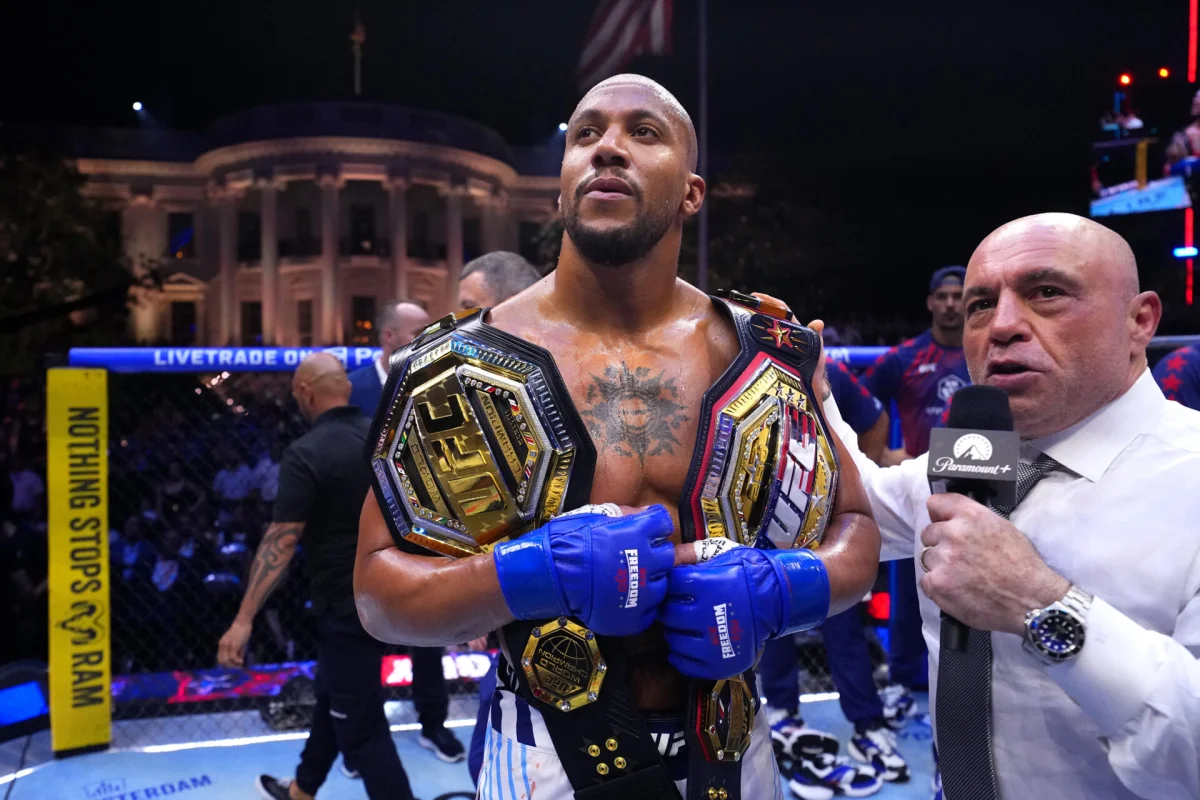
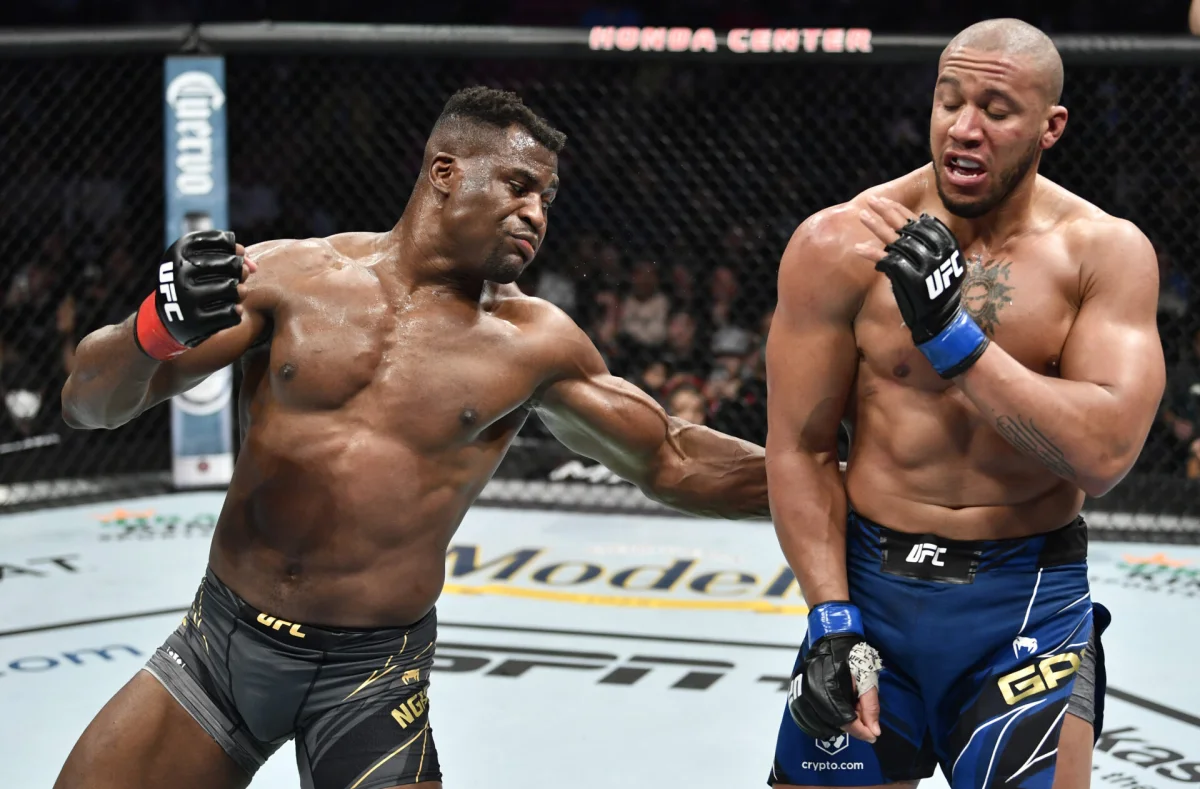
Ciryl Gane’s case for the UFC’s 2026 heavyweight division is clear: judge it by the fighters near the top, not by its reputation for slow, scrappy bouts. The champion says the current top 10 may be stronger than any heavyweight group in the division’s history. His next title defense, against Josh Hokit at UFC 334, will give that claim an immediate test.
A claim built around the top 10
“The top 10 is incredible,” Gane said in a recent UFC video. He also pushed back on criticism that the division is weak, saying it “actually may be the best moment of the heavyweight division’s history.”
That’s a bold comparison with eras shaped by Stipe Miocic, Cain Velasquez, Junior dos Santos, Brock Lesnar, Randy Couture and Fabricio Werdum. Those names helped define heavyweight title fights for years, and fans who remember those champions have a ready-made standard for judging today’s roster. Gane’s argument asks them to look beyond nostalgia and consider the depth among current contenders.
The distinction matters. A division can have a few compelling names at the top while still producing uneven fights elsewhere in the rankings. Gane’s praise is specifically about the top 10, and he doesn’t offer a detailed comparison of records, styles or results from earlier eras. His view is best read as a champion’s assessment of the talent around him, rather than a settled verdict on heavyweight history.
Why the roster debate follows Gane
Gane’s place at the top adds another layer to the argument. He became the second consecutive UFC heavyweight champion to win the crown outside the Octagon, after Tom Aspinall vacated the title and Gane was elevated from interim status. That unusual route to the championship may shape how fans assess his reign, even as he prepares to defend the belt.
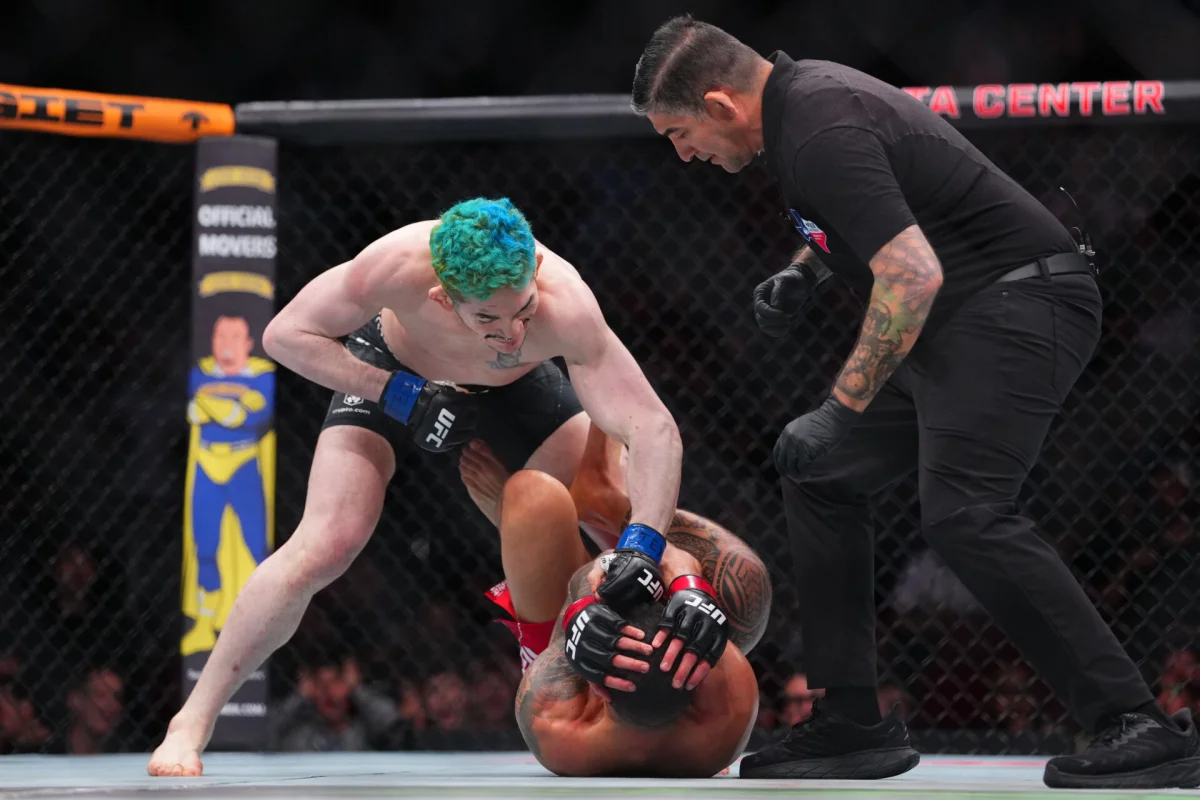
Hokit has climbed quickly through a roster that critics have described as the division’s weakest ever. The dispute is about more than rankings: it reflects different ideas of what makes a weight class compelling. Skeptics point to bouts they consider slow or hard to watch. Gane points instead to the level of the leading contenders. Those standards can coexist, but they lead to very different judgments about the division.
Fans were quick to challenge his assessment online. Some dismissed the claim outright; others argued that the division has talent but still falls short of the best periods in UFC history. One response captured that middle ground: “Talent is there, but ‘best heavyweight division ever’ is a big claim.” The pushback shows the challenge Gane faces: a confident declaration can draw attention, but it also invites a comparison with champions whose achievements remain the benchmark for many viewers.
Hokit fight puts the claim in focus
Gane’s next step is scheduled for November 14 at Madison Square Garden in New York City, where he will face Hokit at UFC 334. The bout gives the champion a chance to add substance to his pitch. A title defense would strengthen his position atop the current field, while the matchup will also show how Hokit handles the jump from a fast rise to a championship opportunity.
For Gane, the stakes reach beyond retaining the belt. A strong performance would support his view that the leading heavyweights can deliver meaningful title fights, even if the division’s wider reputation remains contested. A difficult night, by contrast, would give critics fresh grounds to question whether the current roster deserves comparison with past generations.
There’s no single fight that can settle a debate spanning several eras, and Gane hasn’t laid out a statistical case for his ranking of them. The immediate measure is simpler: whether he can defend his title against an ascending challenger and make the division’s leading matchup feel worthy of the attention. UFC 334 will put that argument to work in the cage.