Four Quiet November Surf Escapes Beyond the Usual Crowds
From Morocco to Cabo Verde, four Atlantic destinations pair November swell with room to explore beyond the best-known breaks.
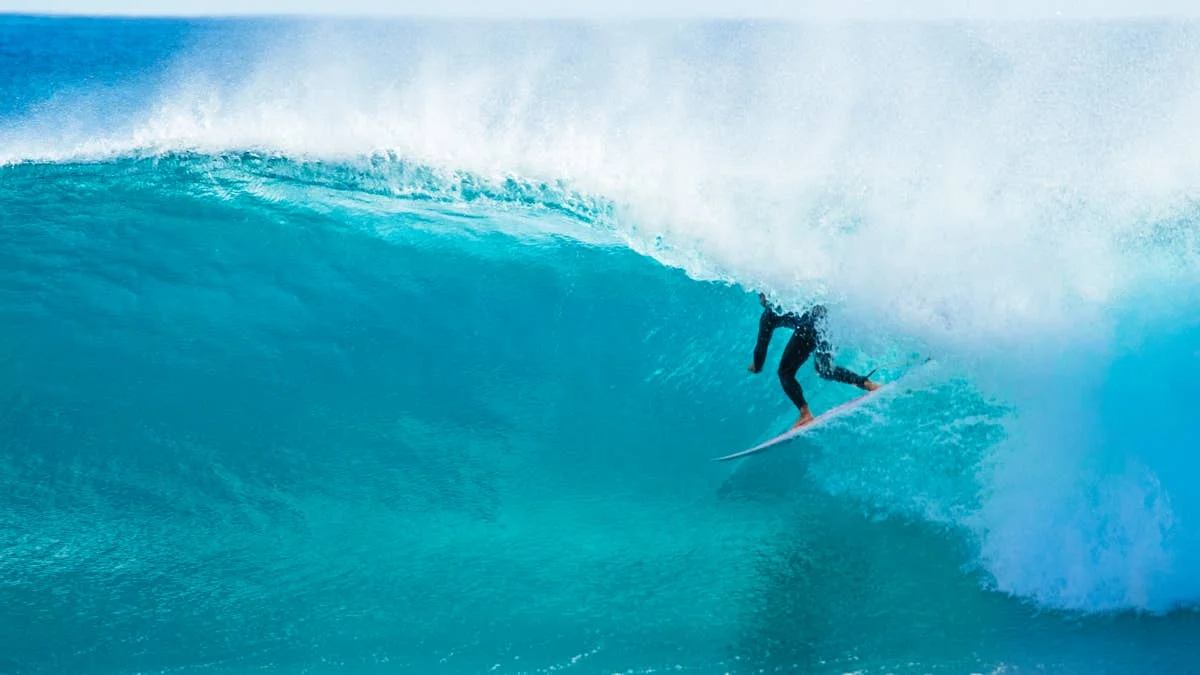
November’s Atlantic swell season opens a window for surfers willing to trade familiar line-ups for the work of finding their own waves. Morocco, Senegal, Spain’s Galicia region and Cabo Verde all have reasons to draw attention as northern-hemisphere swells build, but each rewards a different kind of trip. The common thread is coastline with room to roam—and conditions that can change quickly with the swell.
The familiar destinations have their appeal: reliable surf and an established scene make it easier to plan a trip. Yet the less obvious corners can offer a different balance of wave variety and space. That comes with a trade-off. Some breaks are remote, and the best conditions may depend on patience, local scouting and a willingness to adapt.
Sidi Ifni, Morocco
Taghazout has long been Morocco’s best-known surf hub, with Anchor Point drawing traveling surfers and a lively community. But the country’s Atlantic coast stretches well beyond that scene. Drive south and Sidi Ifni offers a quieter base from which to explore a coastline famous for its long right-hand points.
November marks the beginning of Morocco’s surf season. Nearby Legzira Bay combines beach breaks with a right-hand point at the bay’s northern end. In smaller conditions, the wave can be mellow; when winter swell reaches the coast, it can turn into a hollow, powerful ride. That range makes timing central to the experience: the same stretch of coast can offer a gentler session or demand much more of the surfer as the swell builds.
For surfers accustomed to the activity around Taghazout, the appeal here is the change of pace and the chance to explore beyond the main gathering points. The coast has more to offer than one famous break, and November is when its winter character begins to emerge. A flexible itinerary leaves room to choose between the bay’s different waves as conditions shift.
Dakar, Senegal
Dakar’s peninsula gives Senegal a broad swell window and a surf profile distinct from Morocco’s. South Atlantic swells can reach the coast during the summer, while northern Atlantic winter swells bring another set of opportunities. In November, those winter pulses can help bring the coastline to life.
Dakar projects into the Atlantic, a position that helps it receive swell from multiple directions. That geography makes the area worth considering when other African line-ups feel crowded. The draw is less a promise of a single marquee wave than the possibility of finding options across a coastline that can respond to changing swell.
Senegal also has a less developed surf-tourism scene than Morocco. For some visitors, that frontier quality is part of the attraction: the trip may call for more independent planning, and the surf experience can feel less organized around visiting surfers. The wider swell window offers potential, but conditions still determine what’s on. November’s North Atlantic swell can be the spark, with the peninsula’s position providing room to look for a suitable break.
Related: Guide To The World’s Biggest Waves
Galicia, Spain
At Spain’s western edge, Galicia faces both north and west toward the Atlantic. Its rugged coastline is exposed to powerful swell, making November an appealing time to arrive: the autumn surf is building, while the full force of winter is still ahead.
The region’s best-known coastal stretch, Costa da Morte, takes its name from a long record of shipwrecks linked to severe Atlantic storms and hidden rocks. Those same forces help explain the raw character of the coastline, where beach breaks sit among reefs, rivermouths and occasional point breaks. Which option works depends on the swell, so exploring the coast is part of the trip.
Distance between breaks shapes the practical side of a Galicia surf trip. Traveling by van can make it easier to move between spots and stay near the waves, especially when conditions are strong and a useful place to park is hard to give up. Self-sufficiency matters here: the region’s scale rewards preparation and a flexible plan, while its mix of wave types gives surfers several possibilities to assess when they reach the coast.
For visitors looking for uncrowded beach breaks, Galicia’s appeal is that variety comes against a rugged, open-Atlantic backdrop. The region doesn’t offer the convenience of a tightly clustered surf hub. It asks surfers to cover ground and read the conditions, with the possibility of finding a quieter session as the payoff.
Cabo Verde, Central Atlantic
Cabo Verde’s 10 major islands and smaller islets occupy a central Atlantic position that gives the archipelago access to swell from different directions. November falls within its prime surf season, which runs through March, as northern-hemisphere swell becomes more active.
Big Atlantic storms can send waves toward the islands, and the archipelago can receive both north and south swells at different times of year. Its wide exposure creates variety, but finding the right wave means exploring. The breaks include reefs with long lefts and shallow, powerful right-hand waves, alongside A-frames, beginner-friendly options and waves that suit a longboard.
That range is the strongest argument for Cabo Verde. The most demanding waves can attract attention, but they’re only part of the picture: surfers willing to scout can look for breaks that better match their ability and the day’s conditions. One technical wave is described as world-class, with a challenge that can rival Cave in Portugal. Elsewhere, the options extend from beginner waves to spots suited to more relaxed sessions.
These four destinations offer different answers to the same November question: where can a surfer find Atlantic swell beyond the usual crowd? Sidi Ifni brings the start of Morocco’s winter season; Dakar combines a broad swell window with a less developed surf scene; Galicia rewards mobility along a rugged coast; and Cabo Verde pairs a long season with a wide mix of waves. The best choice depends on the kind of trip—and the kind of surf—you’re prepared to pursue.
Related: Where Do The Biggest Waves In The World Actually Come From?