SAS Report Links UK Sewage Discharges to 1,687 Water Sickness Reports in 2026
SAS records more than 500,000 UK sewage discharges in 2025 and highlights sickness reports, late reporting and gaps in water monitoring.
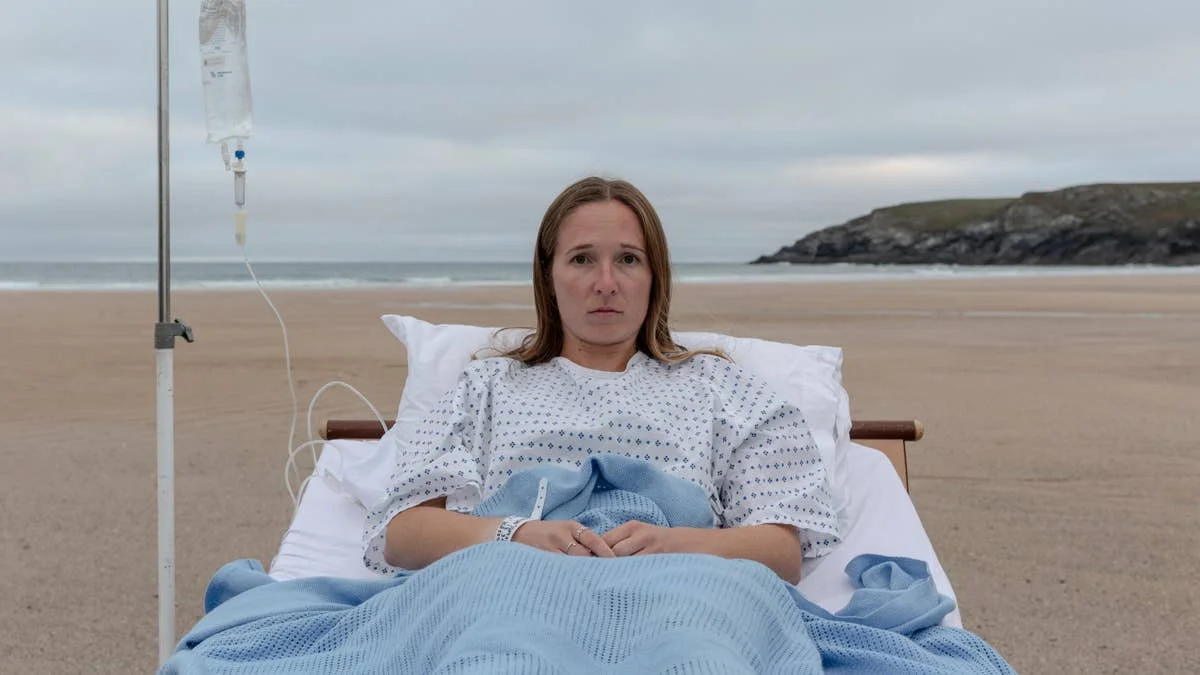
The scale of sewage releases and the limits of water monitoring make it harder for people to judge the risks of getting in the water. Surfers Against Sewage (SAS) says 1,687 people reported becoming ill after surfing, swimming or paddling between January and August 2026. In Wales, 90% of those reports came from locations rated Good or Excellent.
That finding challenges the reassurance a high bathing water grade can offer. A rating describes measured water quality under a particular system; it doesn’t mean every visit is free of exposure risk. SAS’s report draws together discharge records, water quality data and reports of illness to show how those sources can leave swimmers with an incomplete picture.
Julie Maughan knows the consequences can be severe. Her daughter died in 1999 after contracting E. coli from sewage at a Devon beach. “No one should have to go through that. Ever. Going to the beach and getting in the water shouldn’t put your life at risk,” Maughan says.
The scale of the releases
SAS counted more than 500,000 sewage discharges into UK waters in 2025, lasting for over 3 million hours. More than 35,000 affected monitored beaches, which are known in the UK as designated bathing waters. The figures describe a widespread pressure on waterways, while the illness reports show that people are reporting consequences from contact with them.
England recorded 289,838 discharges in 2025, lasting more than 1.8 million hours. Of these, 14,873 took place on completely dry days. That detail matters because it shows releases were recorded even when rain wasn’t present to disrupt older systems. It also complicates the assumption that swimmers need only pay attention after wet weather.
The timing of the data can also be a problem. Companies are required to report discharges within an hour, but SAS found that more than 50,000 spill events in the first half of 2026 were reported late. Every English water company missed that reporting window, according to the report. When release information arrives late, people may not have the timely detail they need to make decisions about a visit to the water.
The human accounts make the stakes plain. Katharine, identified only by her first name, says she contracted cryptosporidiosis and a bacterial infection after swimming in contaminated seawater at Hove, a location rated Excellent. Her illness became serious enough to require a hospital stay, IV fluids, specialist antibiotics and close monitoring because she has a transplanted kidney. The case illustrates why a site’s rating can’t tell the whole story about an individual’s exposure or health.
Different gaps across the nations
Wales recorded more than 100,000 sewage discharges in 2025, lasting 822,265 hours. Ninety bathing waters were affected by 4,083 releases. SAS has received 992 sickness reports from Wales since 2019: 215 in 2025 and 187 from January through August 2026. The high share of recent reports linked to waters rated Good or Excellent adds pressure on the ratings system to explain what it measures and what it can’t establish.
The Scottish and Northern Irish totals come with a larger monitoring caveat. Scottish Water recorded 100,044 discharges lasting 276,759 hours in 2025, but only around 30% of overflows are monitored. If the monitored sites reflect the wider network, SAS estimates Scotland’s total could reach 326,000 discharges lasting more than 900,000 hours.
Northern Ireland recorded 9,496 discharges over 35,164 hours, with just 19% of storm overflows monitored. SAS estimates that the true number could be around 49,700. In its 2026 Wild Water Survey, 36% of Northern Ireland residents surveyed said they had become unwell after interacting with the water. The limited coverage makes the recorded count an uncertain guide to the full scale of releases.
Those estimates depend on an assumption: that monitored overflows are representative of those that aren’t tracked. They aren’t complete counts. Better coverage would help establish how often releases occur and where, while consistent public reporting could make comparisons clearer across regions.
What the illness reports can show
SAS’s sickness figures are reports submitted by individuals, not the results of a medical study. They show what people say happened after water contact; on their own, they can’t establish a diagnosis or prove that a particular discharge caused an illness. That distinction matters, but it doesn’t make the accounts irrelevant. The reports identify patterns and experiences that can point to questions about monitoring, warnings and public health safeguards.
Across the UK, 1,568 people submitted sickness reports in 2025, representing 3,146 days off work. From January to August 2026, 1,687 reports represented another 1,923 days. The partial-year figures shouldn’t be mistaken for a full-year comparison, but they show the volume of reports SAS had received by August.
The report’s findings are also presented through Dirty Business, a three-episode docudrama based on a decade-long investigation by local residents and whistleblowers. It examines sewage dumping and the decline of English waterways since the water industry was privatized in 1989.
What SAS wants next
SAS’s proposed steps vary by nation. For England, it calls for changes to how the water industry is owned and run, stronger protection for people using waterways, and better enforcement and transparency. In Scotland, its priorities are comprehensive sewage monitoring, public reporting and effective enforcement. In Wales, it wants an independent regulator with adequate funding. For Northern Ireland, it calls for greater transparency and binding targets for untreated discharges affecting bathing waters.
The shared issue is whether people can get dependable, timely information about water conditions. More complete monitoring would make estimates less dependent on extrapolation; faster reporting could help close the gap between a discharge and public awareness. SAS’s figures don’t establish that every reported illness came from sewage, but they make the case for clearer data and scrutiny. For swimmers and surfers, the practical question remains whether a rating and the information available at the time reflect the conditions they’ll actually encounter.
Related: Scotland’s Hidden Pollution Crisis: Wet Wipes, Sewage, and the Surfers at Risk