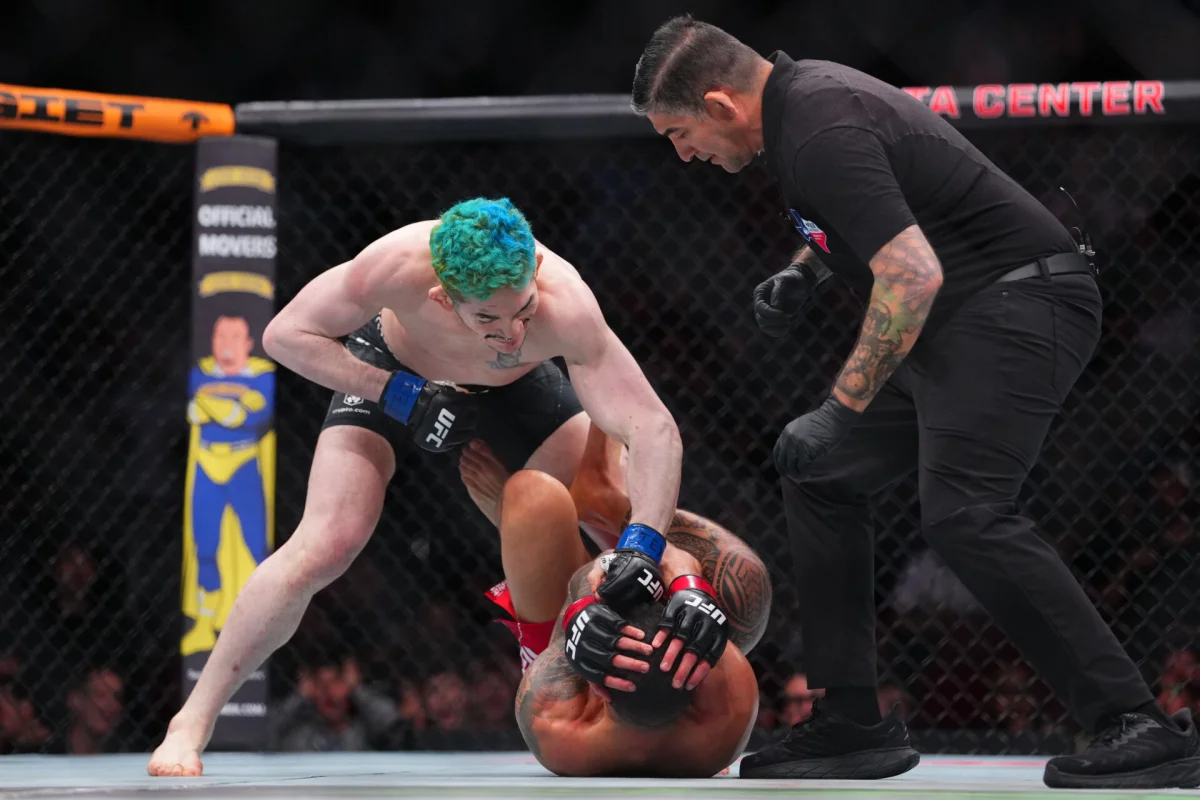
Jesús García Salazar’s Baja Photo Book Brings Surf History Into Focus
El Mar Nace en la Montaña connects Baja’s waves to the people, craft and history behind Mexican surfing.
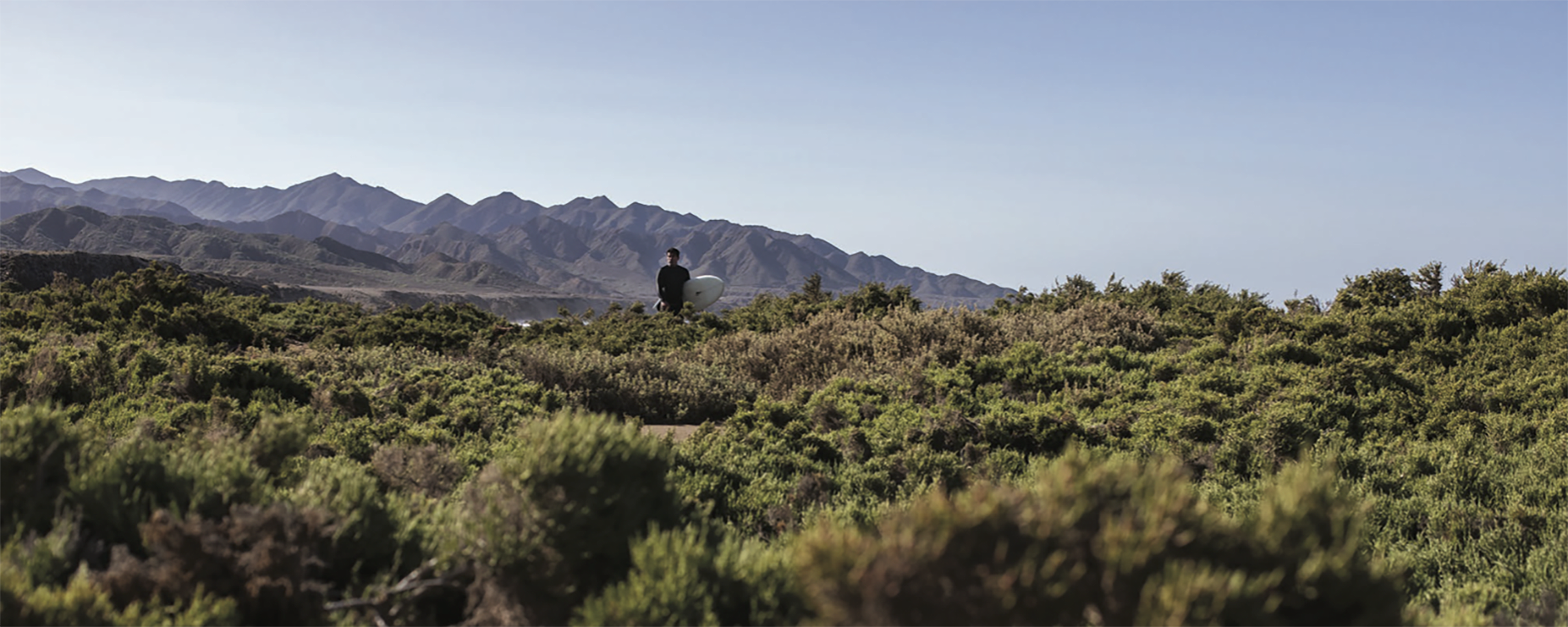
Jesús García Salazar’s new photo book begins with a wider view of Baja California than the lineup offers. In El Mar Nace en la Montaña (“The Sea Is Born in the Mountain”), the Mexican photographer brings together images of the Desierto Central, the Pacific coast and the communities whose lives are tied to both. The project makes a case for seeing Baja not just as a surf destination, but as a place with a long, still under-recognized history.
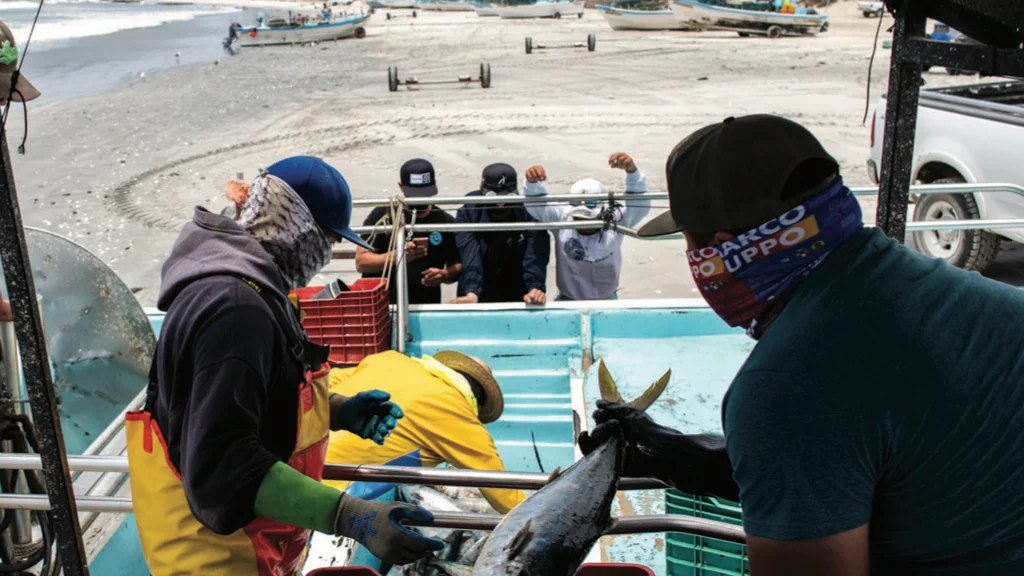
García Salazar is seeking support through a GoFundMe fundraiser to publish the book. Its subject grew out of years spent photographing surfers, fishermen, board shapers, landscapes and everyday scenes. He says the work gradually showed him that he was gathering more than surf pictures: he was recording fragments of a place, its people and its memory.
Following the stories behind the waves
His route into photography started early. Cameras were a regular birthday and Christmas request, and by about five he was experimenting with his father’s VHS video camera. As a teenager, he filmed skateboarding. Later, during an academic exchange in Puerto Rico, he bought a camera for work with a conservation program, where he had the chance to work alongside Goldman Environmental Prize winner Alexis Massol.
When García Salazar returned to Mexico with that camera, he went out to photograph surfing on his first day back. The experience hooked him. What kept him there was the chance to learn about a community whose history reaches well beyond the sessions: how boards are made, who shaped them, which surfers helped establish the scene, and how those stories fit together across generations.
Many of the people from his home region, he says, were pioneers in surfboard building and surfing. That local history became the book’s starting point. His aim is to make the connection between surfing and place visible: the desert and mountains as well as the coast, and the people who have lived and surfed there.
Jesús García Salazar
Curiosity and wonder guide his approach. He studies photographers who worked in the regions he now documents, and describes his process as a mix of research and trial and error. Reading about a subject helps him pursue the questions that arise while photographing it. Books matter to him for another reason, too: their pace gives viewers time to stay with a story. That slower attention is part of what he hopes the finished project will offer.
His influences span surf, skateboarding and documentary photography. He names Leo Hetzel, Jeff Divine, Ron Stoner, Chris Klopf, Leroy Grannis and Larry Moore among the surf photographers he admires, with Atiba Jefferson a key skateboarding influence. In documentary work, he looks to Sebastião Salgado, Ansel Adams, Jorge Panchoaga, Musuk Nolte, Yael Martínez and Lola Medel. What links them for him is their ability to use photographs to tell stories; striking images alone aren’t the point.
A coastline with its own surf legacy
García Salazar has recently spent time in Central Baja, including two visits over the summer while working on the second episode of the ongoing surf film series Baja Born and Raised. His favorite stretch runs from Natividad and Punta Eugenia to Abreojos, along the Pacífico Norte. He plans to photograph his local break, San Miguel, this winter as well.
He sees plenty left to document across Baja: waves still to discover and stories that haven’t yet been brought together. The book is one way to gather some of them before places change or disappear. That concern gives the project its urgency, while its scope gives the images context beyond a single season or swell.
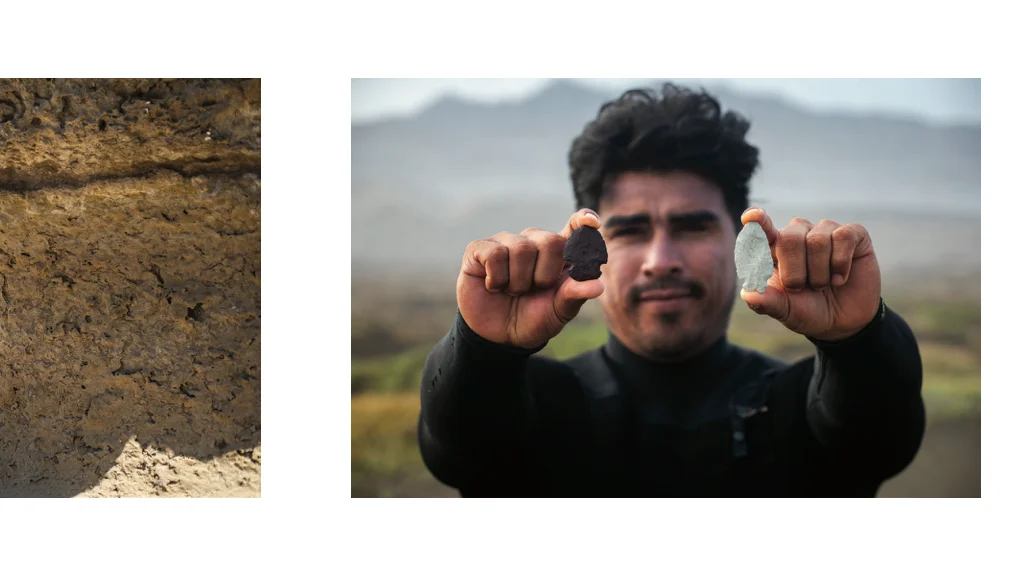
Jesús García Salazar
For García Salazar, the connection is personal as well as geographic: his family has roots in Baja, and Mexican surfing has roots there, too. He calls the region one of the pillars of surfing in Mexico and one of the places where the country’s surf culture took shape. Baja is also home to much of Mexico’s surfboard industry. As he points out, many boards ridden in California are made there, even if that history is not widely known beyond Mexico.
That’s the broader value of the book: it places waves within the culture and work that surround them. Surfing may draw the first look, but the portraits, landscapes and scenes of daily life help explain why the coastline matters to the people who know it best.
What the next season could bring
García Salazar has also been exploring high-quality left-hand waves in Southern Baja, a new direction for him in a region known for right-hand point breaks. He says some of that work will appear in his next film, and that everyone is safe. For winter, he’s hopeful about the prospect of another memorable run of surf, including right-hand points at the Sisters, large waves at Todos Santos Island and outer reefs he wants to investigate. He’s careful about what comes next: the conditions may or may not match what he has in mind, but he hopes some of those moments will become part of the next chapter.
Even his answer to the question of Baja’s best taco circles back to local character. He cites a Baja California Sur saying about flour tortillas: “Si son de harina, ni me las calientes”—roughly, “If they’re flour tortillas, don’t even bother heating them.” It’s a small detail, but it fits the book’s wider intent: to preserve the voices and habits that make a place more than a backdrop for surfing.
Support El Mar Nace en la Montaña on GoFundMe.
Related: A Deep Dive Into Mexican Surf History From The Source