Venus Williams’ 17th Straight Loss Leaves Her Future Open After Hong Kong Exit
After falling to Mary Stoiana in Hong Kong, Williams says she has no plans for next season and is still searching for consistency.
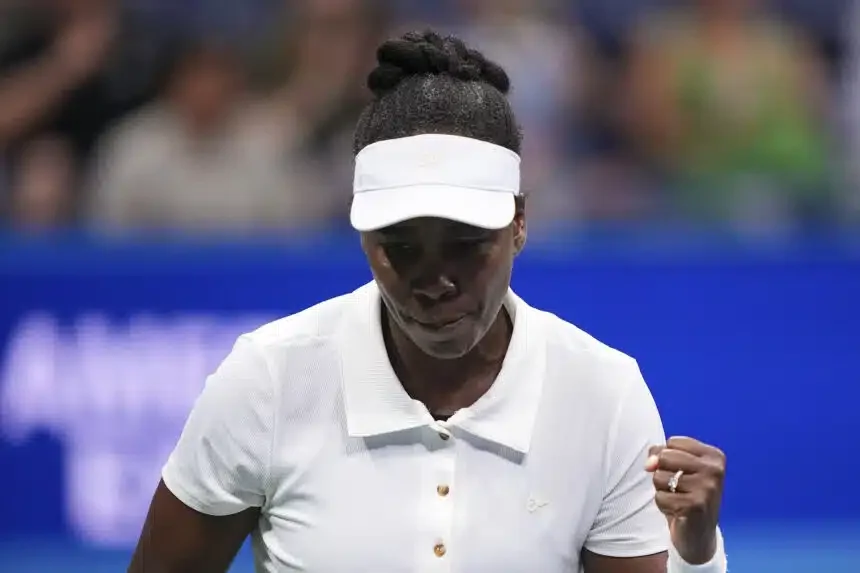
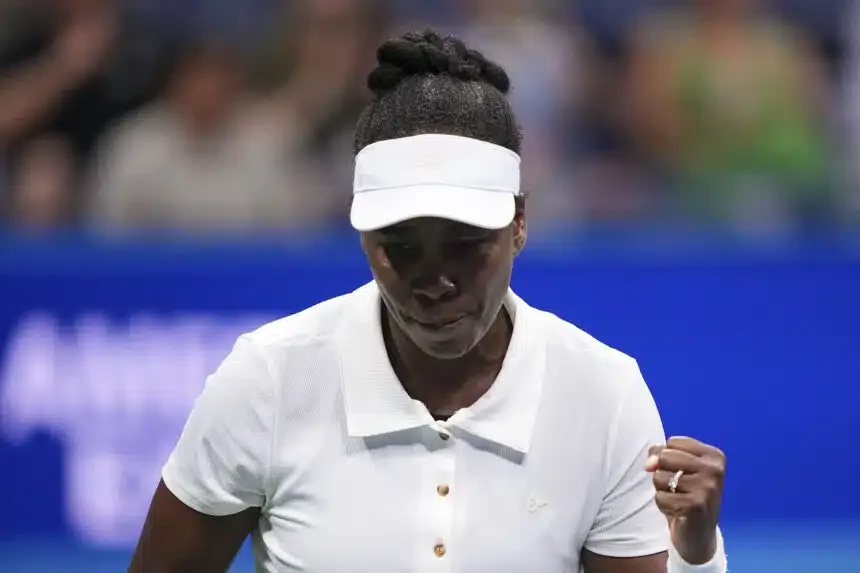
Venus Williams’ latest defeat sharpened the questions around her schedule, but she isn’t treating a decision about her future as urgent. The former world No. 1 lost her 17th consecutive singles match on Monday, falling to world No. 114 Mary Stoiana in straight sets in the first round of the Hong Kong Open.
The result extends a difficult run that Williams says she’s approaching one step at a time. She hasn’t won a match since the Citi Open in July 2025, and she has yet to say whether she intends to play next season. Asked about her plans, she left the door open: “I haven’t made any plans for next year, but also this year I didn’t make plans, just took it one step at a time. So, we’ll see.”
Williams keeps her focus on the next match
That uncertainty appears to be deliberate. Williams said she feels no pressure to settle her plans in advance, describing a focus that doesn’t extend far beyond the immediate demands of playing. “I don’t really fully focus on every one week at a time and whatever happens will happen and I don’t have any pressure to decide or anything,” she said.
She also offered a characteristically brief answer about one possible sounding board: “I’m going to ask Serena what she’s doing.” Williams hasn’t indicated that she plans to retire, but her remarks give no timetable for a decision. For now, she appears content to let results and circumstances shape what comes next.
Williams also declined to engage with the debate over the wild cards she has received. Asked about online criticism of tournament invitations, she replied: “I don’t read online chatter.” According to World Tennis, formerly the ITF, Williams has received 26 wild cards since January 2023. She hasn’t played an event where she qualified for direct entry through her ranking in more than five years.
That record has made her access to tournaments a point of discussion, especially as losses have mounted. But Williams didn’t expand on the debate, and her response kept the focus on her own view: outside commentary isn’t directing her decisions. Her immediate challenge remains turning tournament appearances into a level of play that can produce wins.
Power and timing remain the challenge
Williams has played 14 matches this season and lost all of them. In eight, she didn’t win a set. Those figures describe a run short on results, but Williams’ explanation points to a more specific problem: controlling her power and rebuilding the shot choices that become instinctive through regular competition.
“I feel like I spend my whole match just trying not to hit too hard and hit it out. Got a lot of power and still finding control,” she said. The issue, in her account, isn’t simply generating pace. It’s deciding how much to use, when to add spin and which shots she can trust under pressure.
That calibration is harder when her schedule differs from that of players who compete week after week. Williams described taking two months off and then having to work through choices that frequent competitors may make more automatically. “Most of the girls are playing week in week out. I take two months off and I come back and have to decide, okay, you know, do I go for this shot? Do I not go for this shot? Do I hit more spin here?”
She sees that adjustment as a normal part of her current tennis, rather than a reason to force a major decision. “And when you’re playing every week, it’s just a lot more automatic. So those are the kinds of things that I’m going through on the court. It’s pretty pretty normal.” The contrast she draws is clear: rhythm comes from repetition, and an interrupted schedule leaves more decisions to solve in the middle of a match.
A career still without a fixed endpoint
Williams turned professional in 1994 and has won 49 WTA singles titles and 22 doubles titles. She is also the oldest player currently holding a WTA singles ranking. Those career markers sit alongside a present-day record that has become increasingly difficult, but they don’t answer the question of how long she intends to continue.
She has Sjögren’s syndrome, and the source provides no further detail about how the condition affects her play. Williams has instead identified consistency, shot control and the adjustment to match rhythm as the challenges she is working through on court. Her comments frame the problem as ongoing work, without suggesting a specific timetable for improvement or a set date for stepping away.
The Hong Kong loss brings another first-round exit and extends the streak, while Williams’ own account offers the clearest guide to what she is weighing: the need to find control after time away, and the lack of pressure she feels to decide her future now. The next step is whether she can build enough repetition and confidence to change the results; for the moment, she’s leaving both her schedule and her longer-term plans open.