Valkyries-Dream Finals Set WNBA Viewership Records Despite Scheduling Disruptions
Golden State and Atlanta turned a tough-to-market matchup into the WNBA’s most-watched Finals, with Game 7 drawing a postseason-record 3.3 million viewers.
The 2026 WNBA Finals ended with a record audience and a pointed lesson: the league’s pull now reaches beyond its biggest stars. Golden State and Atlanta took a matchup that looked like a difficult sell and made it the most-watched Finals in league history, averaging nearly 1.9 million viewers per game.
That finish carried extra weight because the series had several obstacles to overcome. Caitlin Clark and Indiana were out in the first round, while A’ja Wilson and Las Vegas fell in the semifinals. New York, a recent fan favorite, recovered from a poor regular season to reach the second round but went no further. Neither finalist had the established national audience of those teams.
The Valkyries and Dream earned their place through strong postseason runs. Their audience, though, was less proven. Golden State had only debuted as an expansion franchise the previous season, and Atlanta’s profile was still growing. The Finals offered a clear test of whether interest in the league would hold when its most recognizable names were no longer playing.
Viewers stayed through the disruptions
The broadcast setup added friction. NBC and Versant’s USA Network split coverage, creating the possibility that viewers would have to follow the series across different channels. The networks agreed in advance to carry every game on Peacock, which gave fans a consistent streaming option, but finding USA Network remained part of the viewing experience as Versant expanded its live sports programming.
Scheduling created a sharper problem. The league had to arrange later games in Atlanta on short notice, then moved Game 6 to 12:30 p.m. ET on a Thursday. The decision drew widespread mockery, including from The Ringer’s Bill Simmons, who called it a new low and said he had disagreed with 12 or 13 major league decisions that year.
Yet the awkward time slot did not stop the audience. Game 6 averaged 1.5 million viewers, topping the audience for the 2025 series-clinching Game 4, which aired on ESPN in primetime. Two nights later, Game 7 drew a postseason-record 3.3 million viewers on USA Network and Peacock as Golden State clinched the title. Preliminary numbers cited by Front Office Sports put the audience above 3.3 million across USA, CNBC and Peacock, making it the WNBA’s most-watched game since 1997.
The series grew into its stakes. A matchup that had seemed short on marquee appeal became a record-setting contest as the games accumulated consequence. The Game 7 audience shows the value of a decisive finale, while the Game 6 figure suggests that even a poorly timed game can draw substantial interest when a championship is on the line.
A broader audience for the league
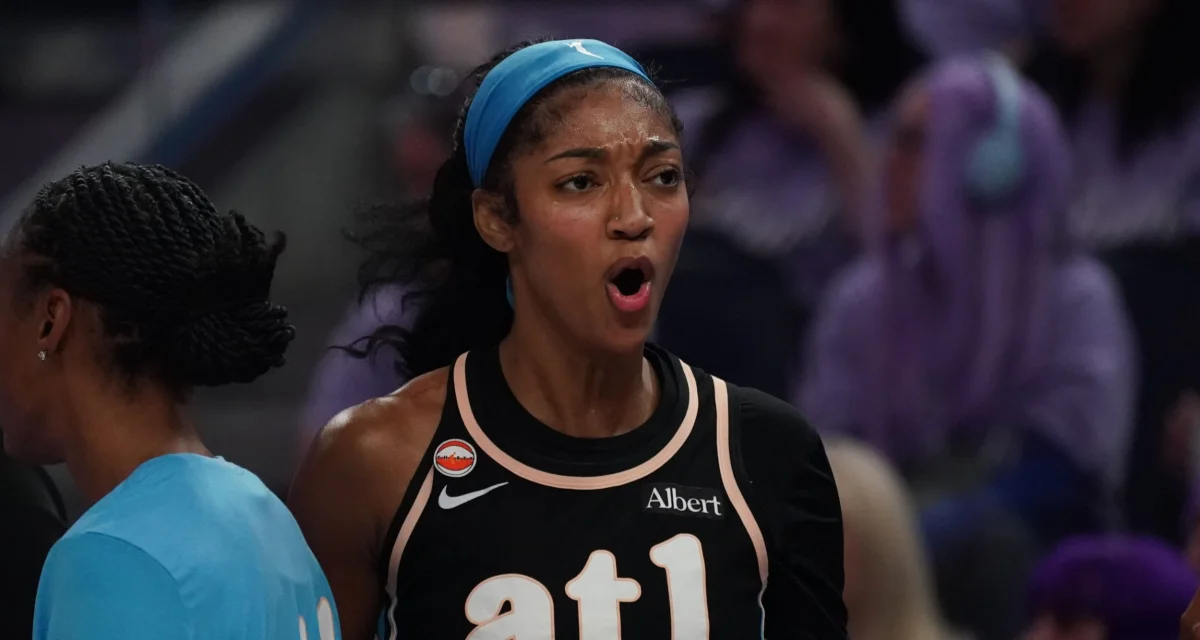
The Finals also challenged the idea that the WNBA’s momentum depends on Clark. Her absence mattered to the expected profile of the series, but it didn’t define the audience. Golden State had built a substantial following quickly, and Atlanta’s Rhyne Howard and especially Angel Reese gave the Dream recognizable young stars of their own.
That distinction matters for a league trying to turn bursts of attention into durable interest. Individual stars can introduce new fans to the sport; teams and meaningful late-season games give those fans reasons to keep watching. The Valkyries-Dream series showed that a pairing outside the usual spotlight can command attention when the stakes rise and the teams have their own stories to tell.
Format helped create those stakes. The WNBA expanded its postseason and added 10 potential playoff games, culminating in a Finals that could run to seven. Five years earlier, the entire postseason had been capped at 19 games. This series used the longer format to deliver a full seven-game contest, with the audience building toward a title-deciding finish. Higher-stakes games drew larger audiences as the matchup progressed.
There is already pressure, led in part by Clark, to expand the playoffs further. The league is also preparing to play 50 regular-season games for the first time. More postseason opportunities could produce additional high-stakes nights, but the 2026 result offers a useful measure of what the current format can deliver: a Game 7 audience above 3.3 million, even after scheduling and channel complications.
The Finals return to ESPN and ABC in 2027, giving the championship series another broadcast arrangement and potentially wider reach. The practical challenge is to pair that exposure with scheduling fans can follow and compelling team matchups. Golden State and Atlanta have made the case that the league’s audience is larger than any one star or franchise. Their seven-game run turned that argument into a record.