Dana White Questions Islam Makhachev’s Fight Frequency as Interim Title Fight Reshapes UFC 336
Makhachev’s withdrawal leaves Carlos Prates and Michael Morales fighting for an interim belt, while Dana White says money may reduce a champion’s urgency.
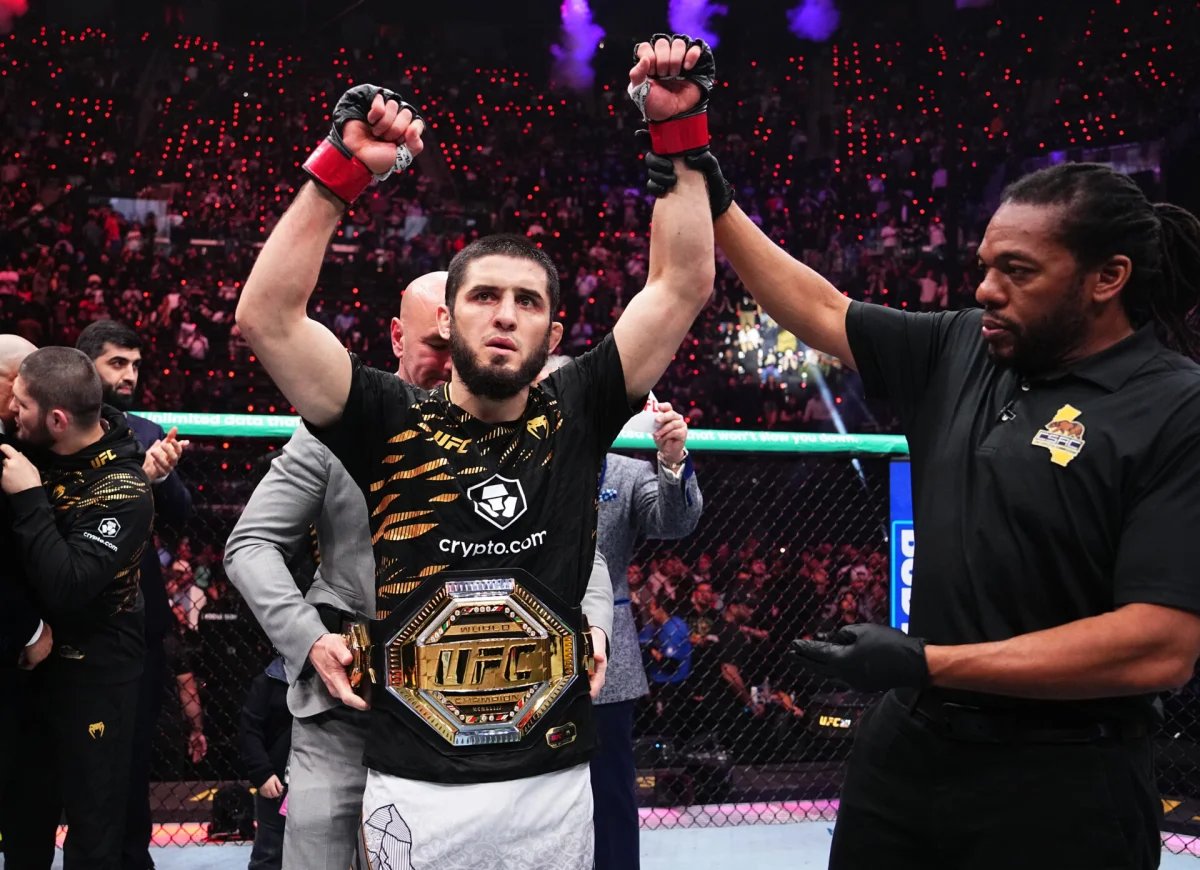
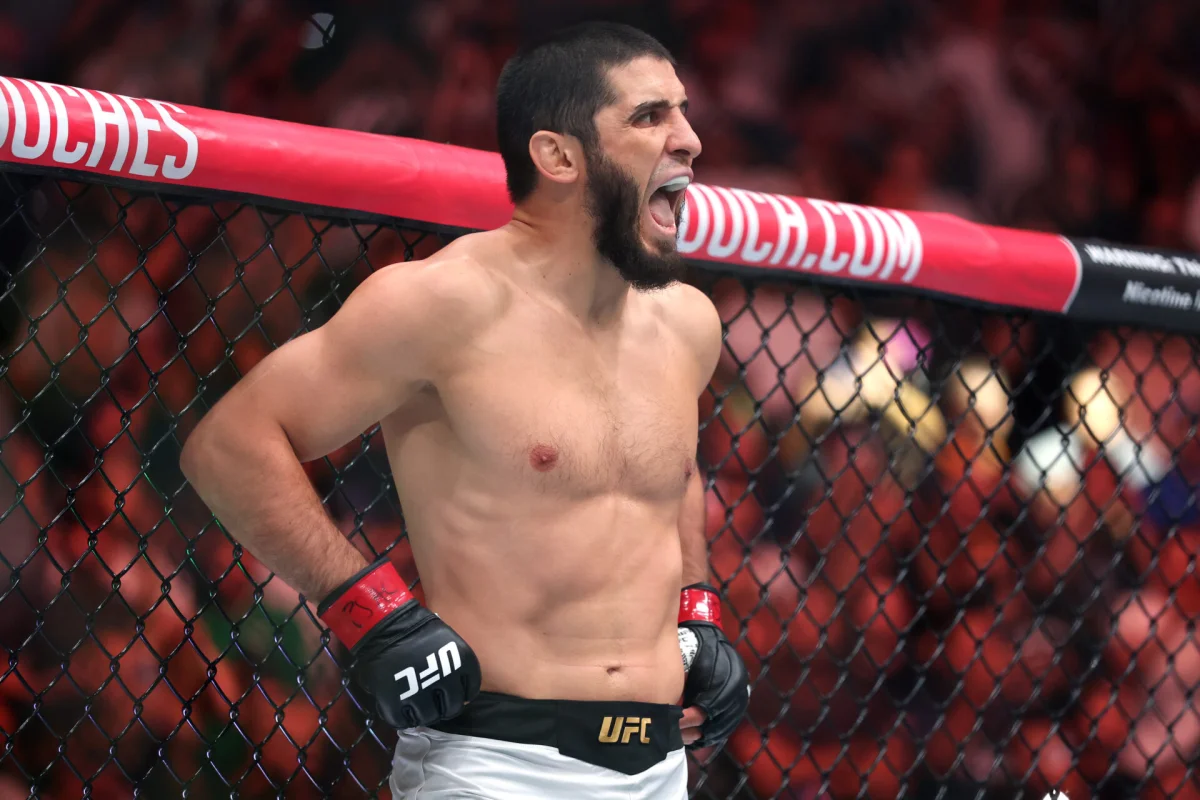
Islam Makhachev’s withdrawal from UFC 336 has changed the welterweight title picture and sharpened a familiar question for Dana White: how often should a champion defend? White says he would like Makhachev to fight twice a year, while acknowledging that the Russian has earned his standing through what he has already accomplished.
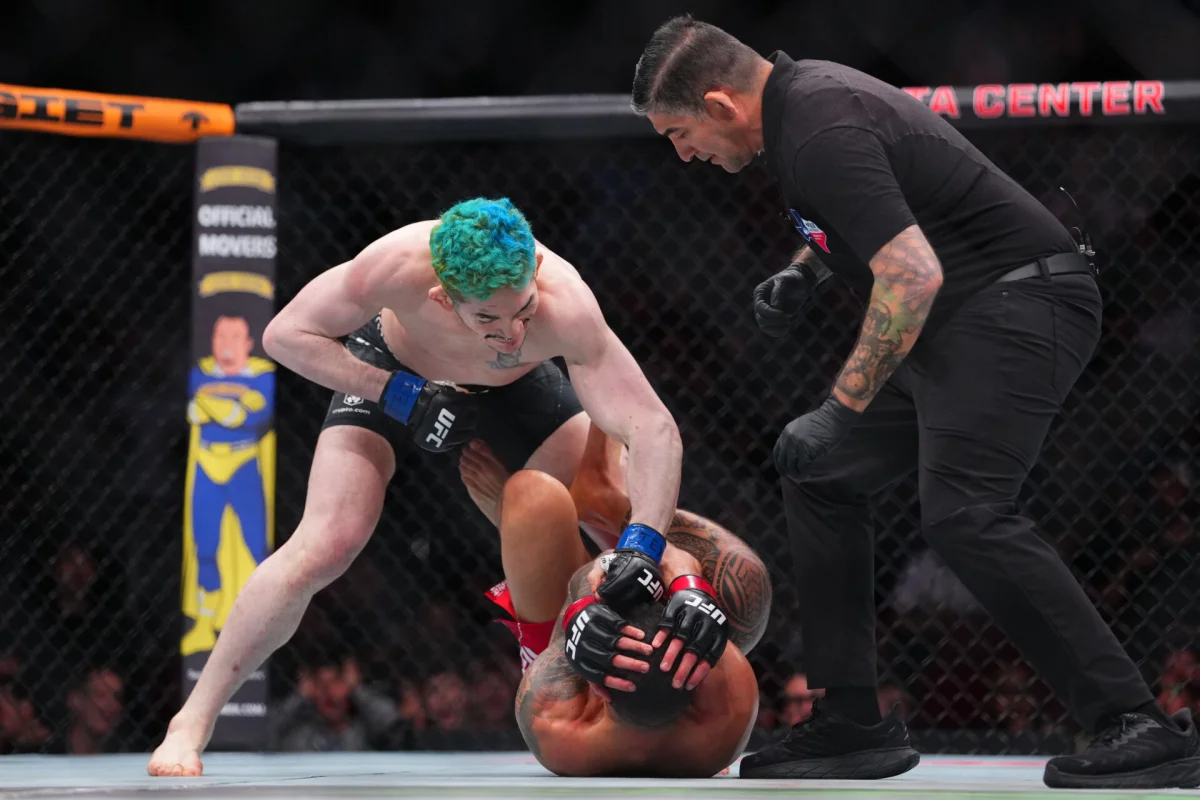
The January 30 event in Toronto will instead feature Carlos Prates against undefeated Michael Morales for the interim welterweight title. Makhachev had been expected to headline against Prates after defeating Ian Machado Garry in August. With that matchup off, Morales gets a chance to compete for a belt rather than wait for the champion’s return.
White links a slower schedule to financial security
When Makhachev’s withdrawal was announced, White said there was no reason for the change. The champion had previously discussed returning in early 2027, but his next appearance will now come after Ramadan. White has often argued for fighters to stay active, and he sees a distinction between a champion’s practical schedule and the number of defenses that would help keep a division moving.
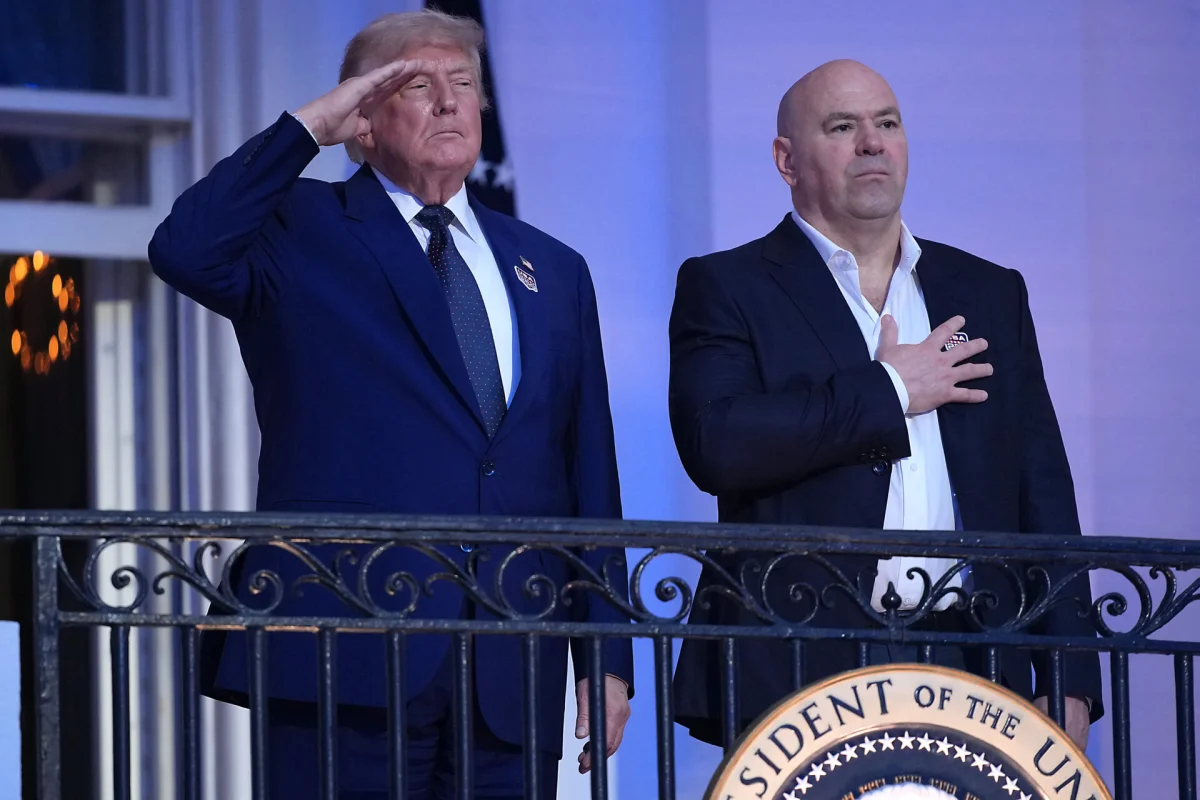
“I think when you get to a position where he’s at and what he accomplished, who knows what he’s thinking or what he wants to do next,” White said in a clip from a recent media event posted by MMA Junkie.
He added that he doesn’t expect a champion to fight three times in a year, but said twice would be welcome. In White’s view, longer gaps can leave contenders waiting for a title opportunity. His suggestion about the reason for Makhachev’s pace was financial: fighters who are young and hungry may seek frequent bouts to earn more, while a fighter who has accumulated substantial money may feel less pressure to compete constantly.
White presented that as a possibility, not a confirmed explanation from Makhachev. He also tempered the criticism, saying, “To be fair to Islam, look at what he’s accomplished.” That acknowledgment matters. Makhachev’s record and achievements have earned him leverage over his schedule in the eyes of some observers, even as the promotion has to manage a queue of challengers.
Morales gains an opportunity while the champion waits
The interim title bout gives Morales a route to a major opportunity that might otherwise have remained out of reach for months. If the UFC had simply delayed Prates’ challenge until Makhachev could defend, the Brazilian and Morales could have faced a wait until May 2027. Instead, their January meeting puts a belt on the line and gives the division a result to build around during the champion’s absence.
An interim title can keep contenders active and establish a clear next step, but it also leaves a question for the division: how and when will the interim champion meet Makhachev? The source does not specify a timetable for that matchup. For now, the Toronto fight resolves the immediate scheduling problem, while the full title picture still depends on Makhachev’s return and the outcome between Prates and Morales.
The criticism of Makhachev’s activity has come from fans, fighters and analysts, with some arguing that he should lose the belt after declining a defense without giving a reason. UFC veteran Matt Brown has taken the other side, saying the champion has “earned” the right to delay his next defense. Those views expose the tension at the heart of the dispute: the belt carries obligations to contenders, while a champion’s accomplishments shape how much patience people are willing to grant.
Other champions set a faster pace
White’s comparison point is the activity of champions such as Joshua Van and Alexander Volkanovski. Van has defended his flyweight title twice in 2026 and already has another outing scheduled for UFC 336. Volkanovski recently made his second title defense of the year and is discussing a next appearance in the first quarter of 2027.
Those examples show why Makhachev’s schedule stands out to White, but they don’t settle what the right pace should be for every champion. A title division’s progress depends on contenders getting meaningful chances; the champion’s activity is one way to create those openings. In this case, the interim fight supplies one, even as it leaves the main question unresolved.
UFC 336 now has a different title story than the one first planned: Prates and Morales will compete for interim status, while Makhachev’s next defense remains on hold until after Ramadan. White has made his preference clear, but the immediate measure of the change will be whether the new bout produces a challenger ready to meet the champion when he returns.