Dillashaw Says Dvalishvili Must Turn Takedown Threats Into Striking Openings Against Yan
Dvalishvili set a UFC record with 58 takedown attempts against Yan, but Dillashaw says feints and strikes off those threats could have changed the fight.
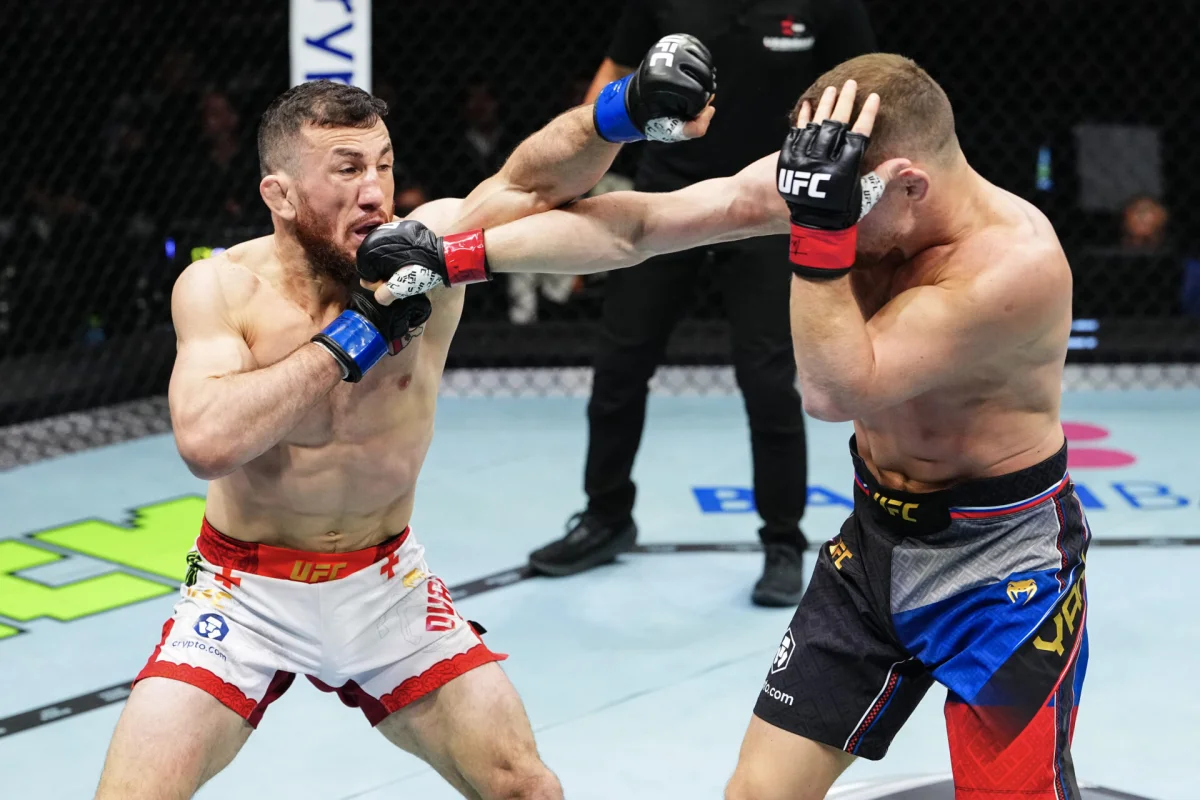
Merab Dvalishvili’s wrestling gave him an early lead against Petr Yan, but TJ Dillashaw sees a missing layer in the Georgian’s attack: making Yan pay for preparing to defend the takedown. In Dillashaw’s view, that adjustment could have changed the direction of their UFC 333 trilogy fight.
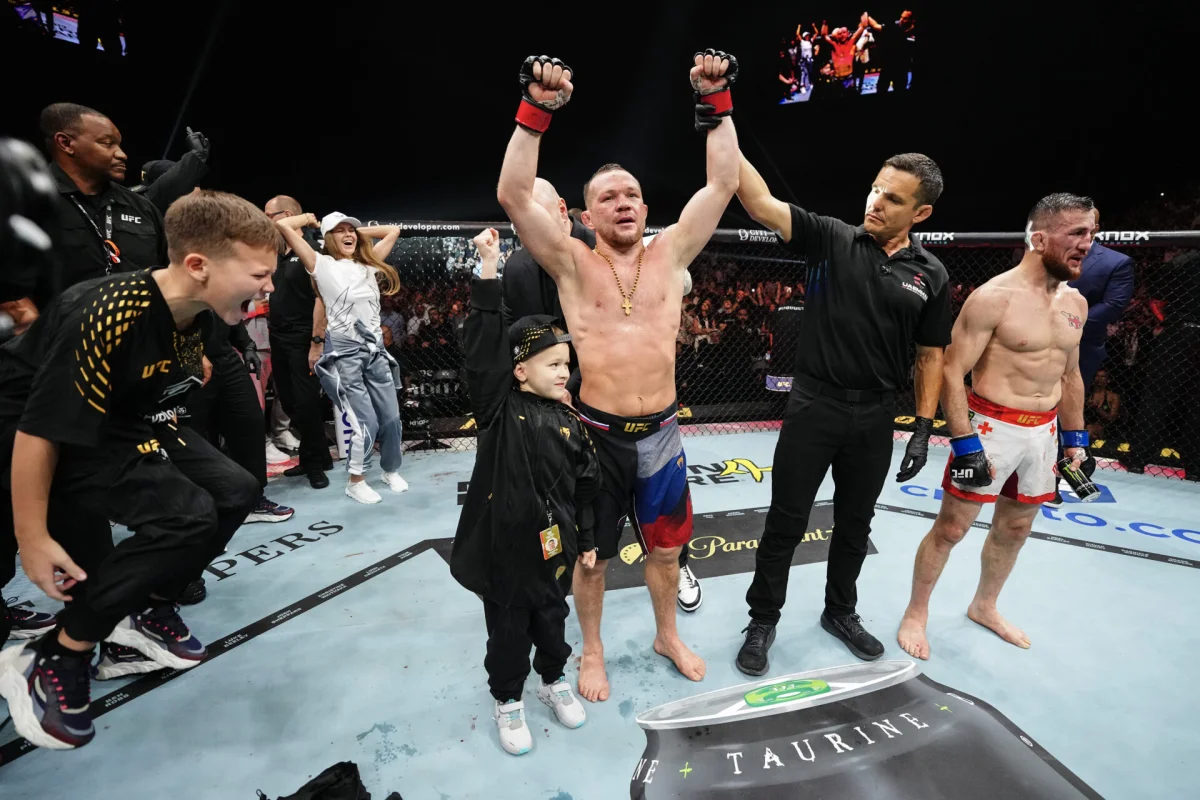
Dvalishvili opened strongly, applying pressure and taking the first two rounds, according to the source. His approach produced a record 58 takedown attempts in one UFC fight. But only five succeeded, an 8.6 percent completion rate, and Yan found more room to take control as the wrestling threat lost force.
Dillashaw’s proposed adjustment
Speaking on the JAXXON PODCAST, the former champion argued that Dvalishvili has leaned too heavily on takedowns as both his main route to scoring and his way of disrupting Yan’s offense. Dillashaw’s point isn’t that Dvalishvili needs to become a conventional boxing specialist. He wants the wrestling to create openings for strikes, giving Yan another problem to solve whenever Dvalishvili changes levels.
“The only thing is that Merab doesn’t have another way to beat Yan,” Dillashaw said. He described a sequence in which Dvalishvili first encourages an opponent to react to his hands, then shoots for the legs. The reverse could also work: threaten a takedown, draw a defensive response, and strike as the opponent commits to stopping it.
Dillashaw pointed to feints and follow-up attacks as the practical tools. A fake shot could prompt Yan to sprawl; Dvalishvili could then bring a knee up the middle, attack with kicks or build a combination while Yan is focused on the wrestling threat. The goal would be to make Yan hesitate before settling into his preferred striking rhythm.
That idea fits Dvalishvili’s most established strength. Dillashaw called him “the best in the world at getting on the legs” and a “nightmare to fight.” The challenge, as Dillashaw frames it, is to make that reputation useful even when the takedown itself doesn’t land. If Yan must defend the possibility of a shot and guard against strikes at the same time, the choice between staying upright and protecting his base becomes less comfortable.
Why the numbers matter
The gap between 58 attempts and five completed takedowns captures the tactical shift in the fight. Dvalishvili kept asking the wrestling question, but Yan increasingly had an answer. As the source recounts, Yan’s corner reminded him that Dvalishvili was struggling to keep him down. Yan grew more comfortable letting his hands go, while Dvalishvili’s high activity on the feet did not match Yan’s accuracy.
A takedown attempt can still have value without ending in control: it can interrupt an opponent’s combinations, force a defensive reaction and create space for the next attack. But when an opponent repeatedly reads the entry and returns to striking range, the attacker needs a second consequence ready. Dillashaw’s criticism is that Dvalishvili’s threats did not sufficiently punish Yan for anticipating the shot.
That distinction matters against a fighter who has now beaten Dvalishvili twice in succession. Yan’s growing comfort as the bout progressed suggests that pressure alone did not keep him from finding his timing. Adding strikes after level changes or feints would give Dvalishvili a way to make that timing harder to establish, though the source offers no guarantee that such a change would have reversed the result.
The next step after the trilogy loss
Dvalishvili had previously beaten Yan in 2022, but his chance to strengthen his standing in the bantamweight greats debate slipped away at UFC 333. The defeat followed his loss of the 135-pound title, and another opportunity against Yan is uncertain. For now, the source says Dvalishvili needs to rebound against a fellow contender if he is to stay close to the title picture.
The immediate lesson is specific: his relentless wrestling remains a defining weapon, but opponents can adapt when they see the same entry without a striking cost. Dvalishvili’s next step is to make the threat of a takedown shape the exchanges even when he doesn’t finish one. If he can force rivals to defend low and high at once, the pressure that carried him through the early rounds may become harder to withstand over an entire fight.