Women Take Their Place in Scandinavia’s Surf Lineup at Surf Fest
A full women’s division, visible role models and shared childcare help explain Surf Fest Scandinavia’s growing surf community—and expose gaps in cold-water gear.
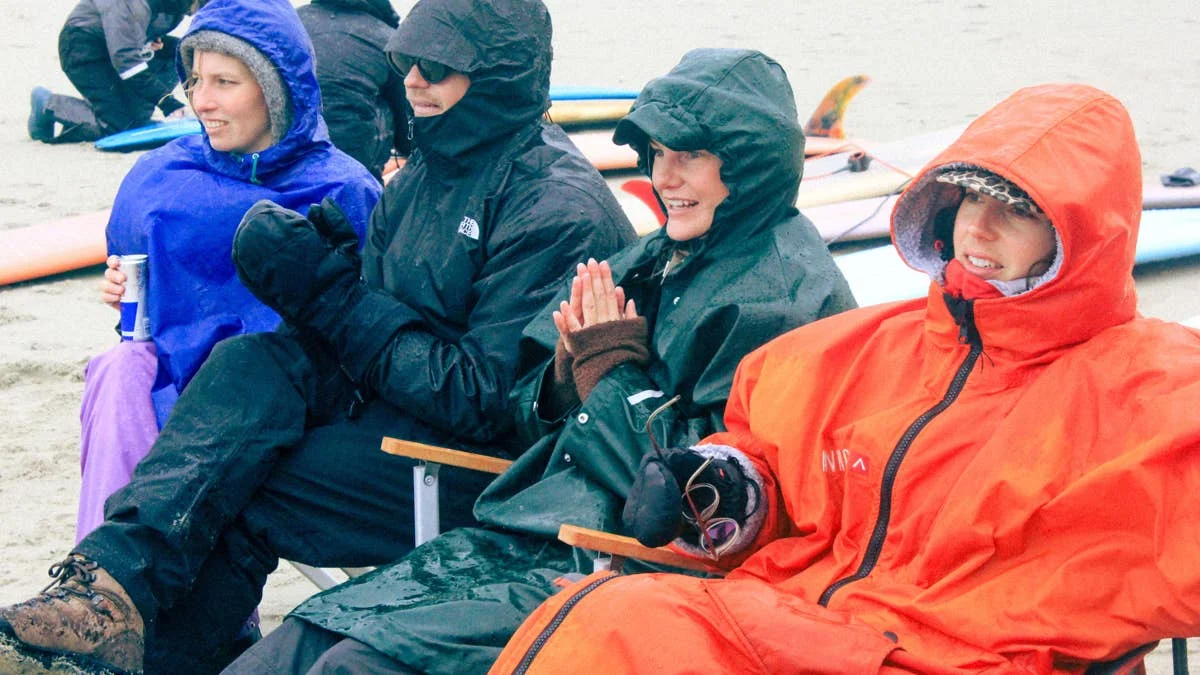
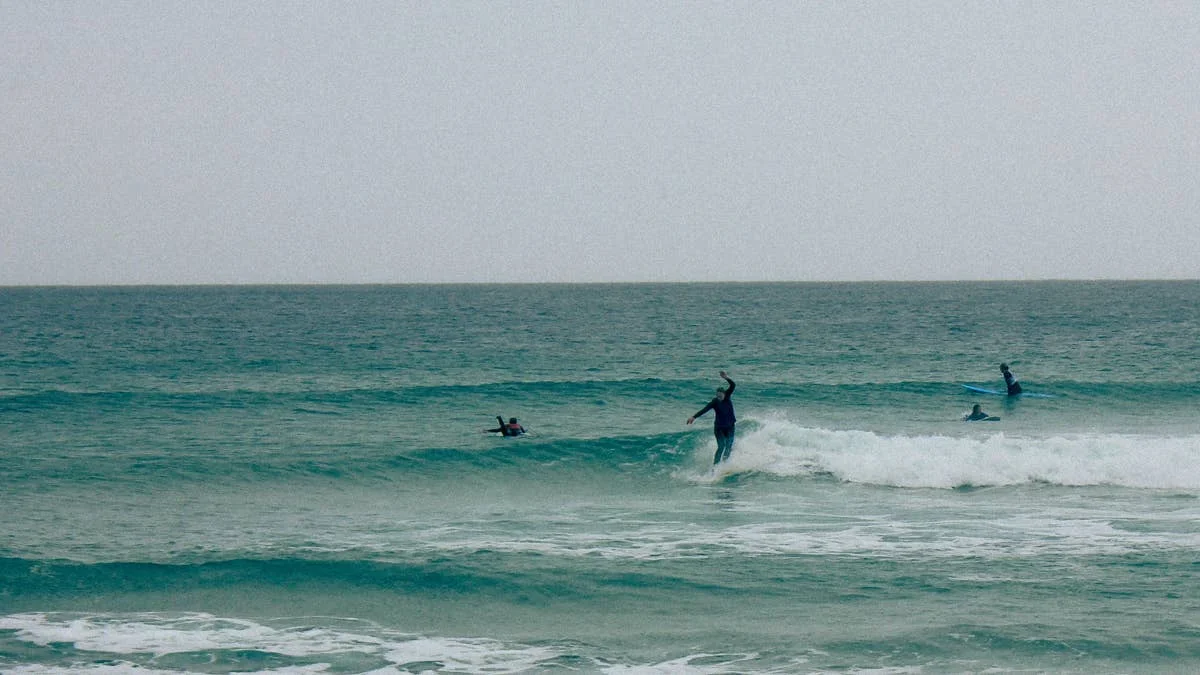
At Surf Fest Scandinavia, the clearest sign of change came between heats: on the final day, women made up most of the surfers in a lineup of about 10. The scene looked ordinary to the people gathered on the beach. That ease may be the festival’s most telling achievement. Women’s participation is growing, competitors say, because the community makes room for it—and celebrates it in public.
The annual gathering brings Nordic surfers to Stavanger, Norway, for a weekend of surfing, music and community. This year, the women’s competition filled quickly, while the men’s division did not. Swedish surfer and musician Sara Bjurbäck said the women’s field had filled first in both this year and the previous year. At a festival focused on traditional longboarding, she said, more women were competing than men.
Surf Fest Scandinavia
Visibility builds a stronger lineup
The festival’s influence starts before anyone paddles out. A skippers’ meeting brought competitors and judges together to discuss how waves would be scored. Later, surfers watched films, shared beers and met ahead of the competition. Swedish filmmaker Jonis Strömberg screened Two Days Before the Mingle; Norway’s Felix Golden showed Nordic Rippers 2. The gathering also featured Ayo!, directed by Maddie Meddings and Marsela Arnanda, about women in Indonesia learning to swim and surf with the nonprofit OceanFolx.
These moments help make the festival a meeting place as well as a contest. Strömberg and Bjurbäck have returned year after year, becoming familiar figures alongside founder Lové Berggren. Their account of the changing field points to more than a single strong entry list: longboarding has become increasingly popular with women in the region.
Bjurbäck linked that growth partly to how families share childcare. When parents take turns watching children on the beach, she said, both mothers and fathers have time to develop their surfing. That practical support can shape who gets to spend time in the water, and how far they can progress.
Photographer and surfer Runa Andersen has seen the change across a longer stretch. Based in Jæren, Norway, for more than a decade, she remembered arriving in 2014 and noticing that surfers rarely photographed the women in the water. She wanted Norwegian women surfers documented as role models. She is now making Queens of the North, a photobook about female cold-water surfers.
Surf Fest Scandinavia
Strömberg said a fuller women’s presence also changes the atmosphere in the lineup, making it feel less aggressive. He sees the festival’s equal celebration of men and women as part of what has encouraged local surfers to look up to athletes across both divisions. Representation extends to the people judging and commentating, too: women and men take those roles, giving the competition a broader face at every level.
Cold-water kit still falls short
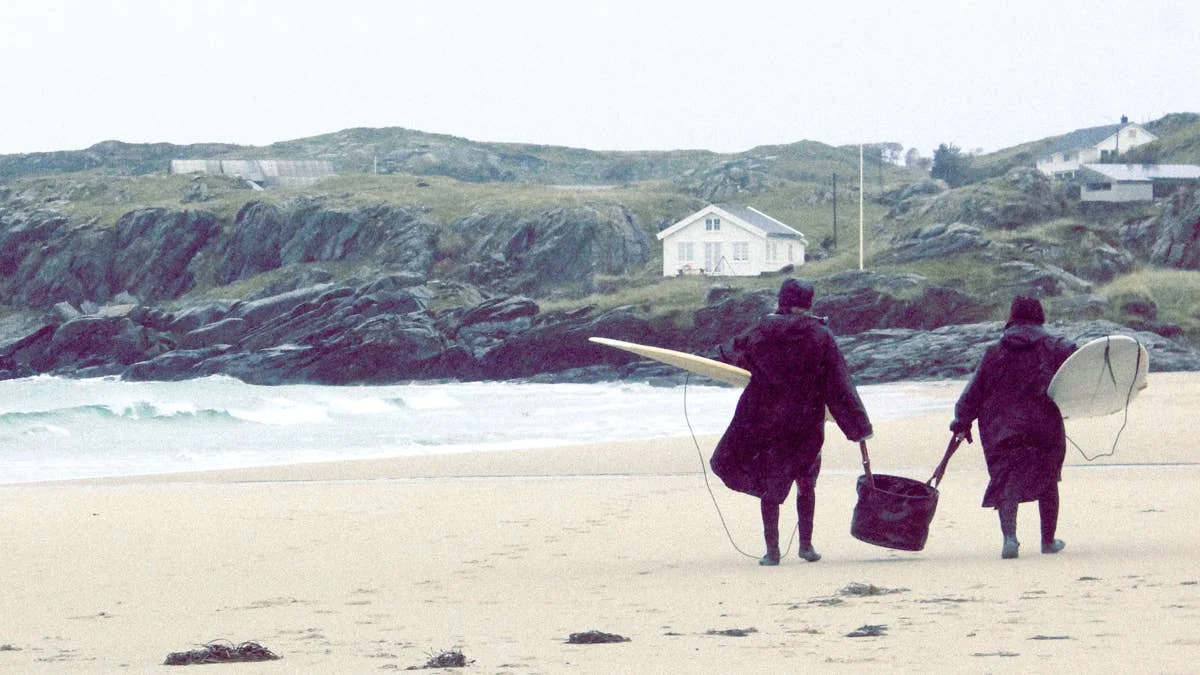
The growing field also makes an old practical problem harder to ignore. On the final day, surfers arrived at Magne in hats and scarves, pulling on wetsuits beside a farmer’s field full of cars and boards. From a makeshift beach sauna, they watched both divisions ride sizable waves in glassy conditions.
Swedish surfer Felicia Johnson said women’s wetsuits offer less range of choice than men’s. She called for better options for women surfing in cold water, alongside more visibility for the women already out there. Better representation can encourage the next generation to join, but equipment needs to meet the demands of the surfers who are already showing up. As participation grows, the question is whether wetsuit makers will respond to the community’s range of needs.
Results reflect a wider effort
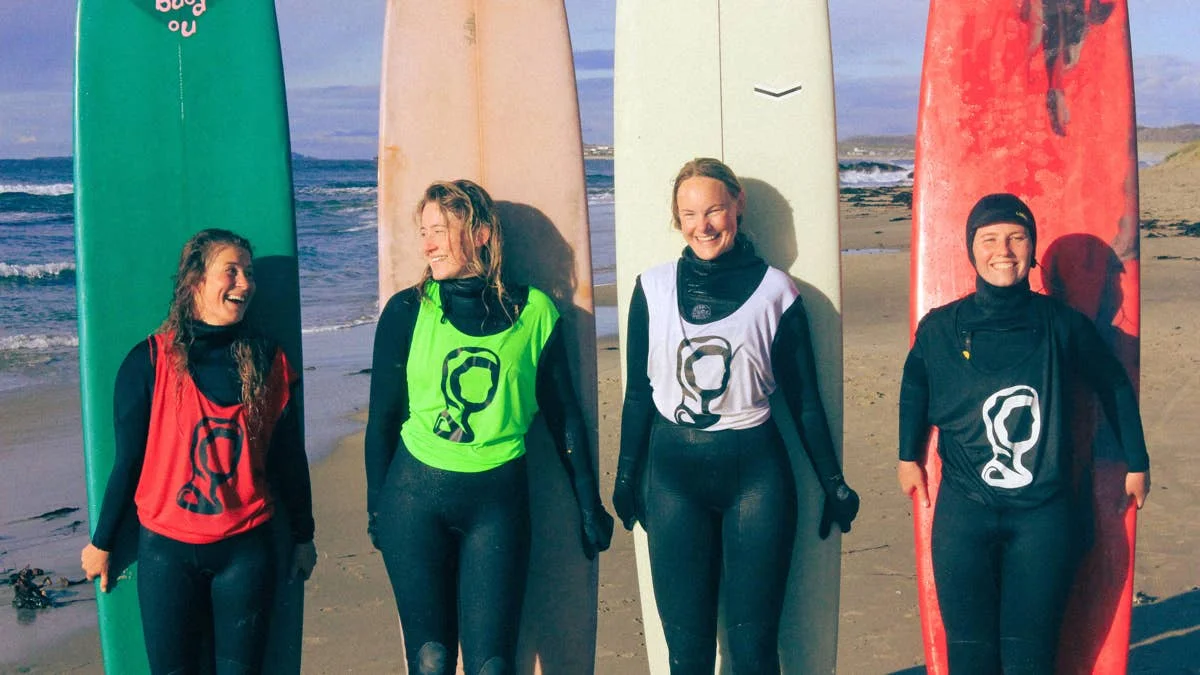
Berggren won the men’s division with a combined score of 14.33. Denmark’s Johan Vinkel Sisgaard finished second, with Norway’s Jonas Karlsen third. Johnson took the women’s title on 9.50, ahead of Norway’s Ane Mari Engvik, Sweden’s Bjurbäck and Norway’s Lisa Berglind.
After the finals, competitors headed home for hot showers and quick meals before the prize ceremony and closing party at Maskinhuset, Solastranden Gård. The celebration marked the results, but Strömberg pointed to the choices behind them. When a respected organiser puts equality and representation at the centre of an event, he said, that example spreads through the community.
He also singled out Surfbrudar, a Swedish group that organises trips and events for women surfers. Alongside Surf Fest, it gives women chances to connect, gain exposure and watch other women perform at a high level. Those encounters can make progression feel tangible: there are peers to learn from, and a visible path into the sport.
A lineup that looks normal
The morning after the festival, women surfed while a group of fathers sat with their children around a beach fire. It was a small, everyday picture of the shared childcare Bjurbäck had described. The point wasn’t that the work of inclusion was finished. Johnson’s comments about wetsuits show one clear gap, and Andersen’s account of women going unseen in surf photography shows how recently visibility was limited.
Still, Surf Fest offers a useful example of how a scene can change: shared responsibilities make time for surfing, events give women a stage, and organisers help set expectations for how athletes are treated. The strongest measure of progress may be that a lineup full of women no longer seems unusual to the people watching. Keeping that normal will take continued attention—from festivals, communities and the gear industry alike.