Texas Surfboard Shapers Take Center Stage at Surftoberfest
The Board Walk honors Texas’s surfboard makers, whose designs and shared history have helped shape the Gulf Coast surf scene.
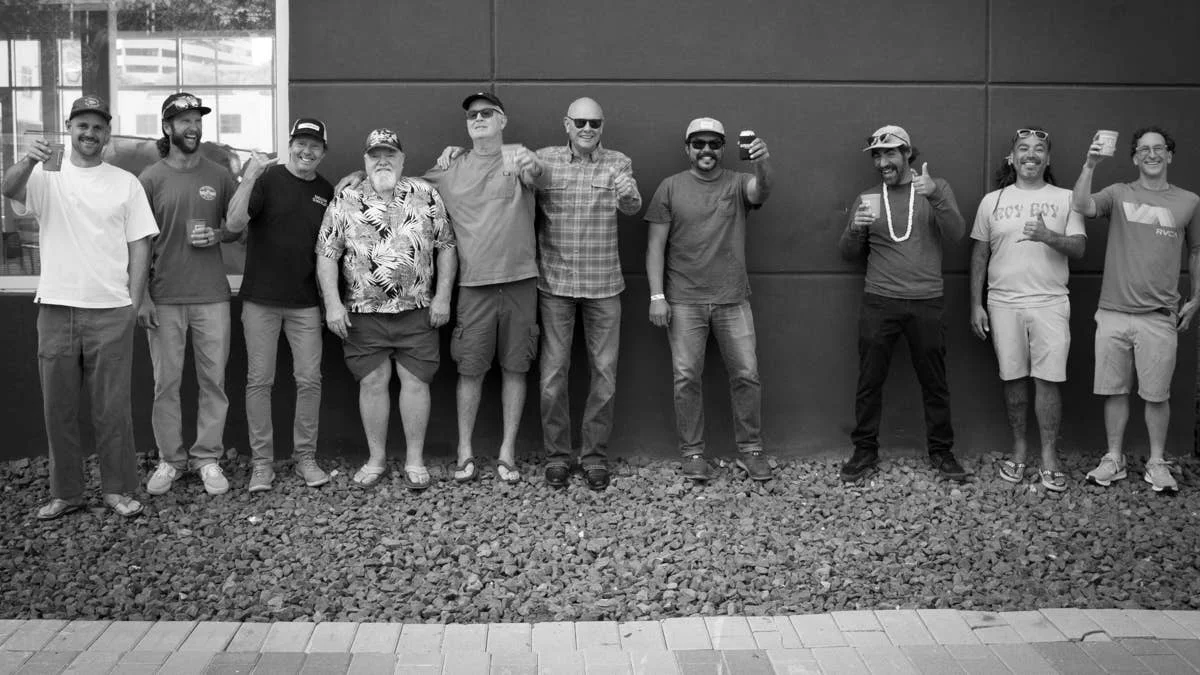
Texas surfboard shaping is a craft built around making the most of limited chances. Gulf Coast waves can be unpredictable, and wind is a constant factor; when a strong swell arrives, the board under a surfer matters. That mix of local conditions and practical know-how is the story behind The Board Walk, a showcase of the people who have helped define surfing in Texas.
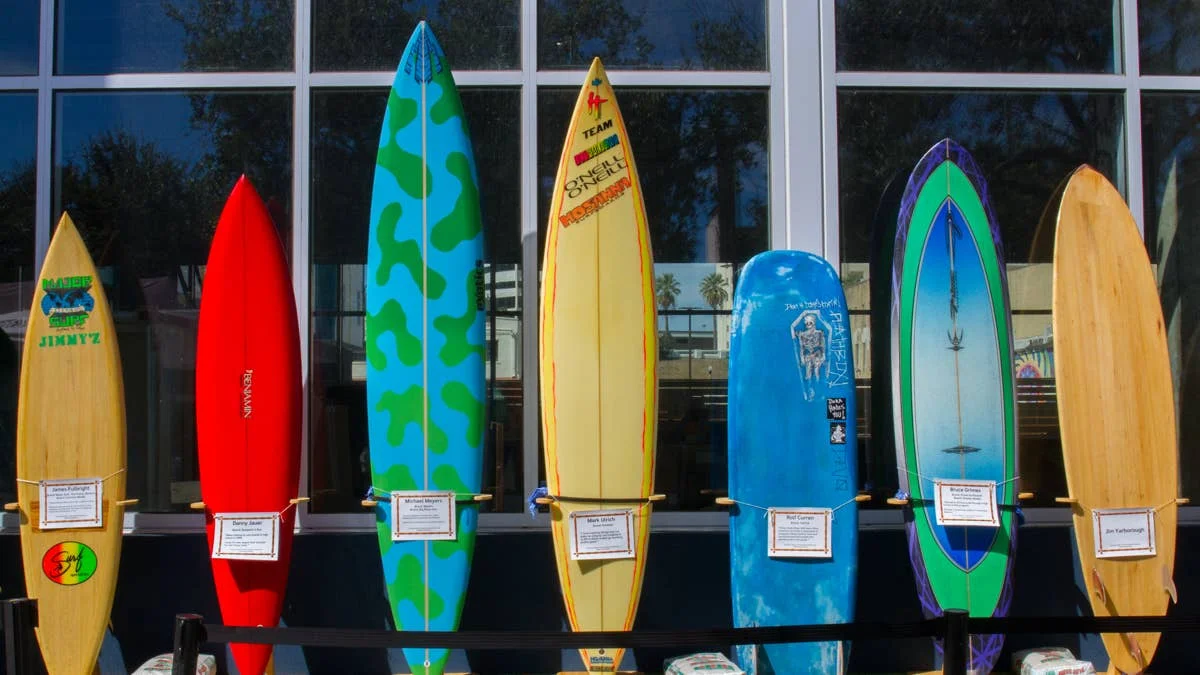
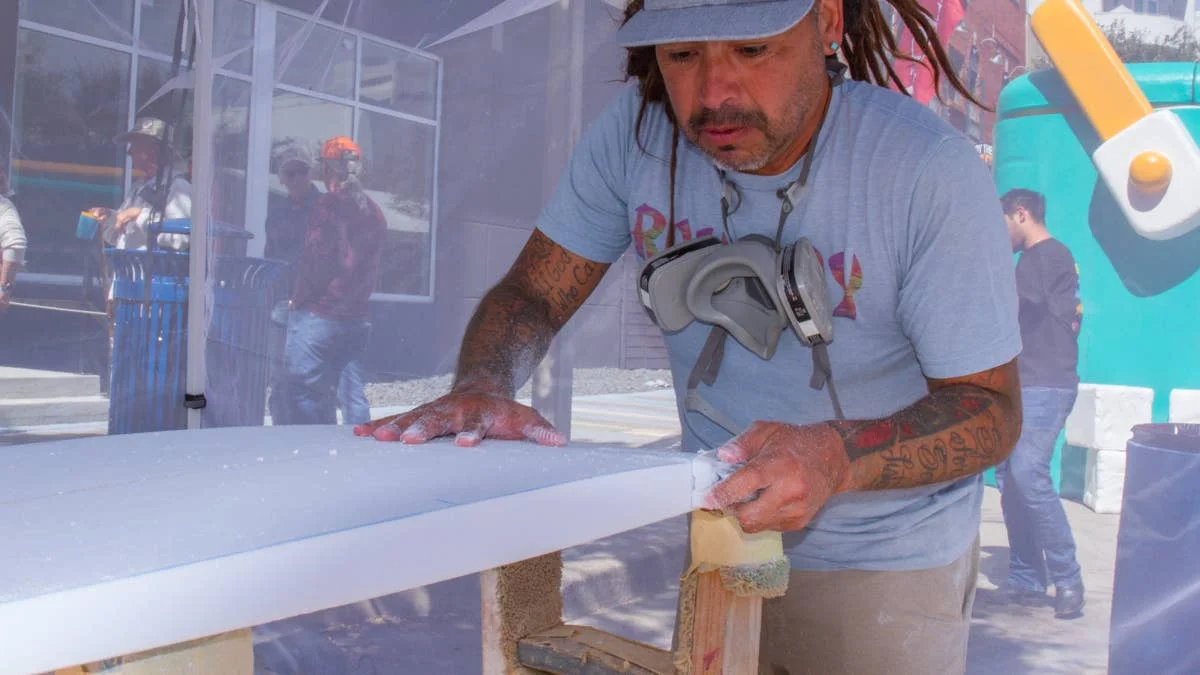
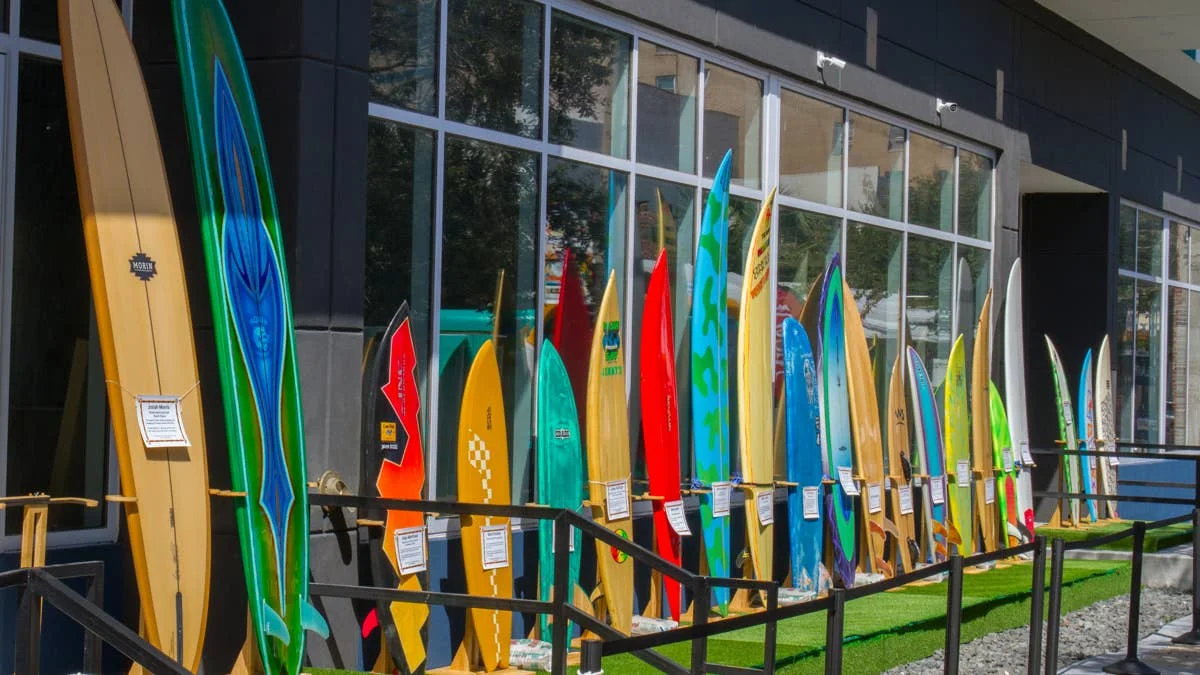
The installation brought more than 20 Texas shapers together at the 11th annual Surftoberfest in downtown Corpus Christi. Photographer Jon Steele organized it with surfers Brad and Richard Lomax, owners of the Executive Surf Club. Their gathering put workshops, board designs and the makers themselves in the frame, giving the state’s shaping community a shared place to be seen.
Jon Steele
Surftoberfest took place on October 17, 2026, with the familiar food and drink of Oktoberfest: bratwurst, schnitzel, pretzels and beer. The setting brought a festive crowd around an exhibition with a longer view. Texas shapers have contributed to the region’s surf culture for decades, yet much of their history has lived in personal memories, workshop conversations and the boards themselves. The Board Walk gives those stories a public home.
A craft shaped by the Gulf
Texas shaping reaches back at least to the late 1960s. Danny Jauer was making boards while still in high school, and BJ Williamson was developing his own designs in Galveston. Since then, shapers have worked with the Gulf Coast’s specific demands in mind. Their designs reflect a place where conditions can change quickly and the window for a good session may be short.
That local knowledge gives the craft its character. A board is not just a finished object; its outline and construction carry decisions made for the waves it is meant to meet. When the surf is inconsistent, those choices can help a rider make more of a brief opportunity. The shapers’ work links years of trial, experience and observation to the next person paddling out.
Their influence also reaches beyond Texas. Corpus Christi native Robert “Cowboy Bob” Rudine worked with Williamson on handmade balsa boards, including a custom semi-gun for big-wave surfer Bobby Gonzales. That project points to a wider thread in surf history: craftsmanship rooted on the Gulf Coast could serve surfers and waves far from home. Texas shaping has its own conditions and traditions, but its makers have also taken part in surfing’s broader story.
Jon Steele
Putting names and memories on record
For Steele, the exhibition is a starting point for documenting a history that has not yet been gathered in one place. The stories are scattered across recollections, conversations and the boards people have made and kept. That makes a recurring showcase useful in two ways: it recognizes the people shaping today, while creating a framework for adding more of the past over time.
The Board Walk is intended to grow into an annual event alongside a more complete timeline of Texas shaping. Steele also plans to include video interviews in future installments. Those conversations could preserve the details that photographs alone cannot show: how a design came together, what a particular maker learned, and how the craft changed across generations. For a community whose record has often been passed person to person, that kind of documentation can help connect individual stories.
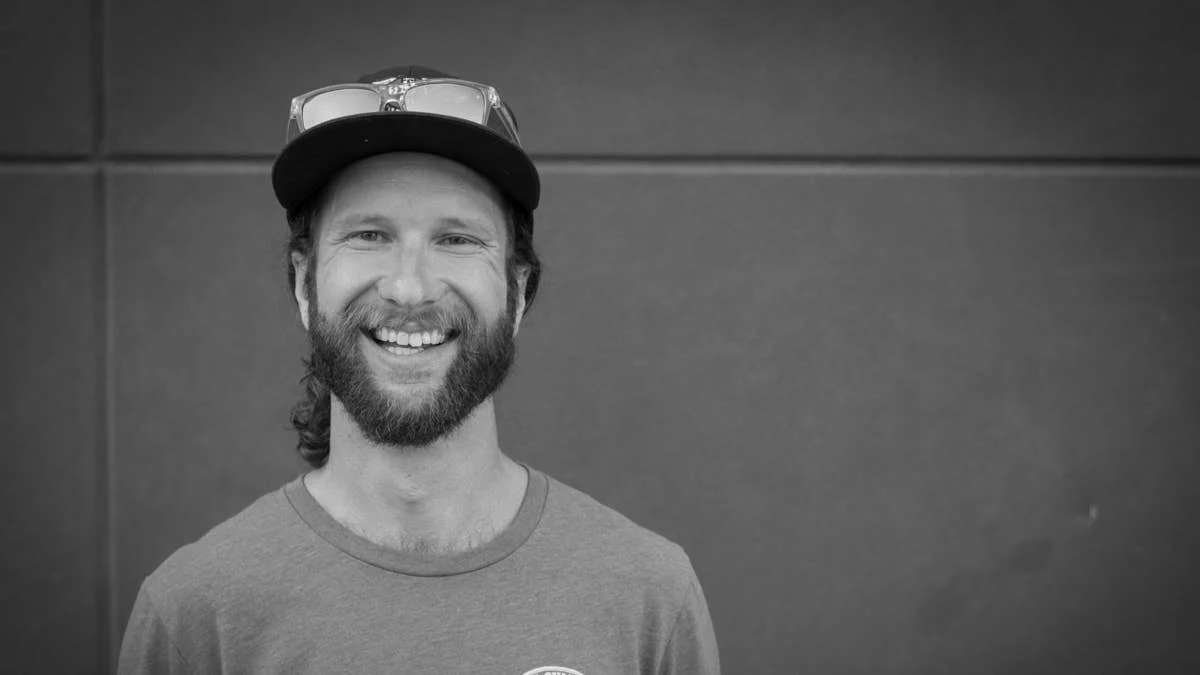
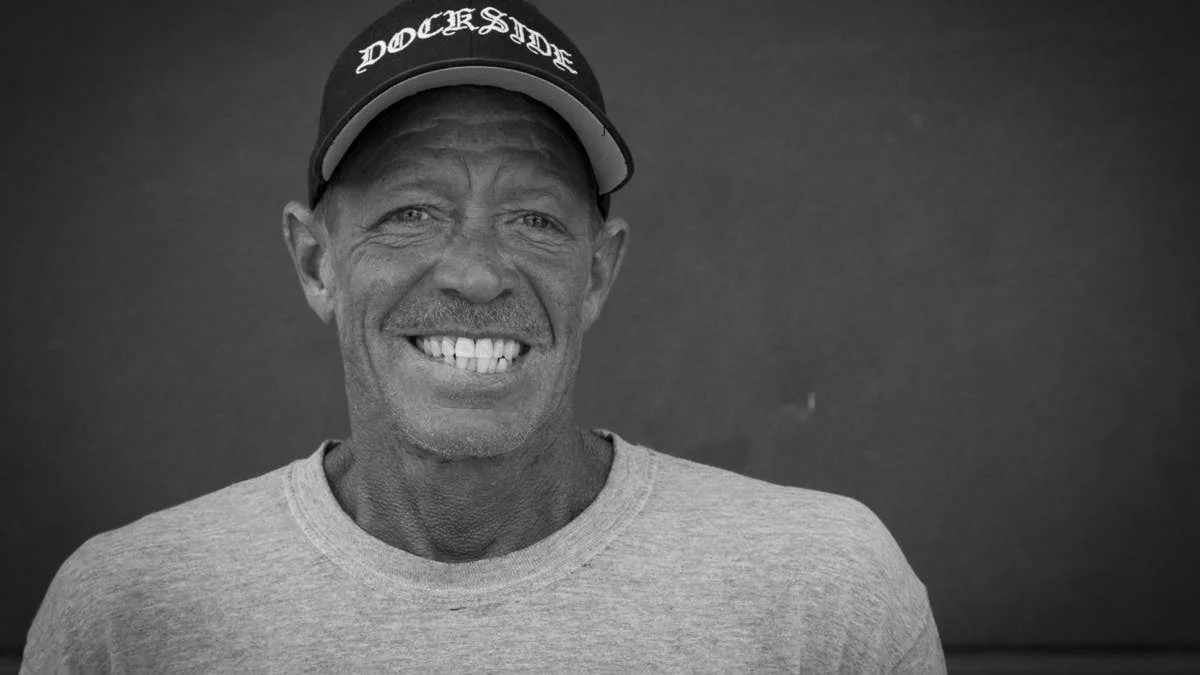
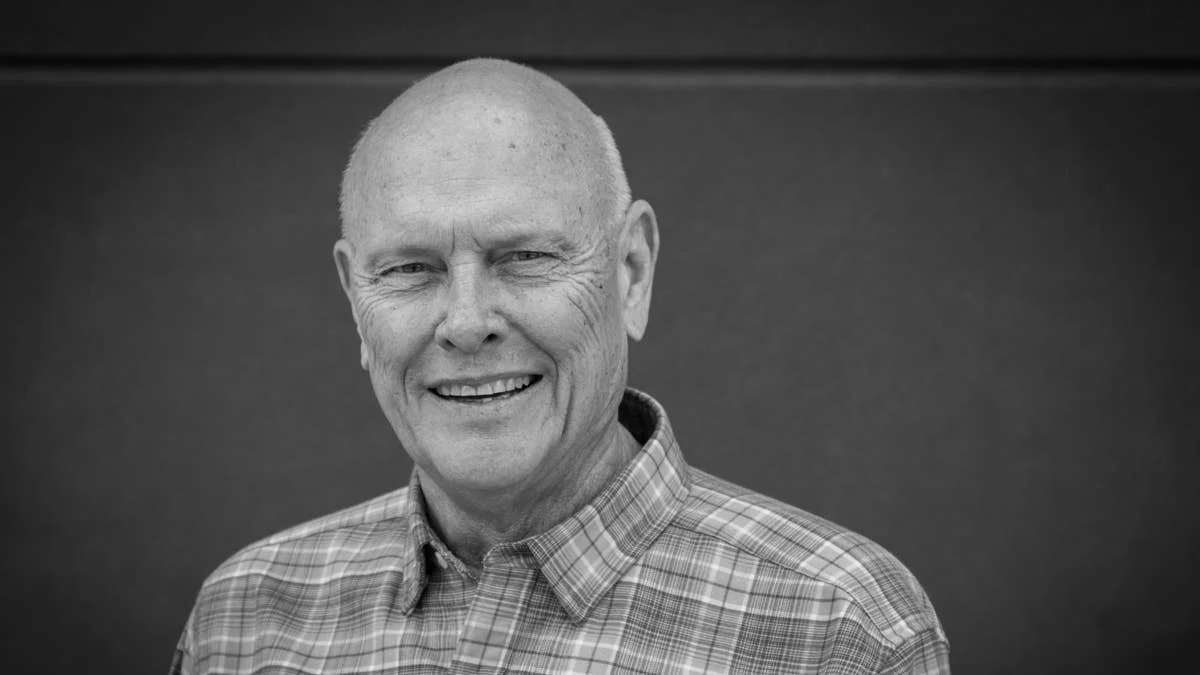
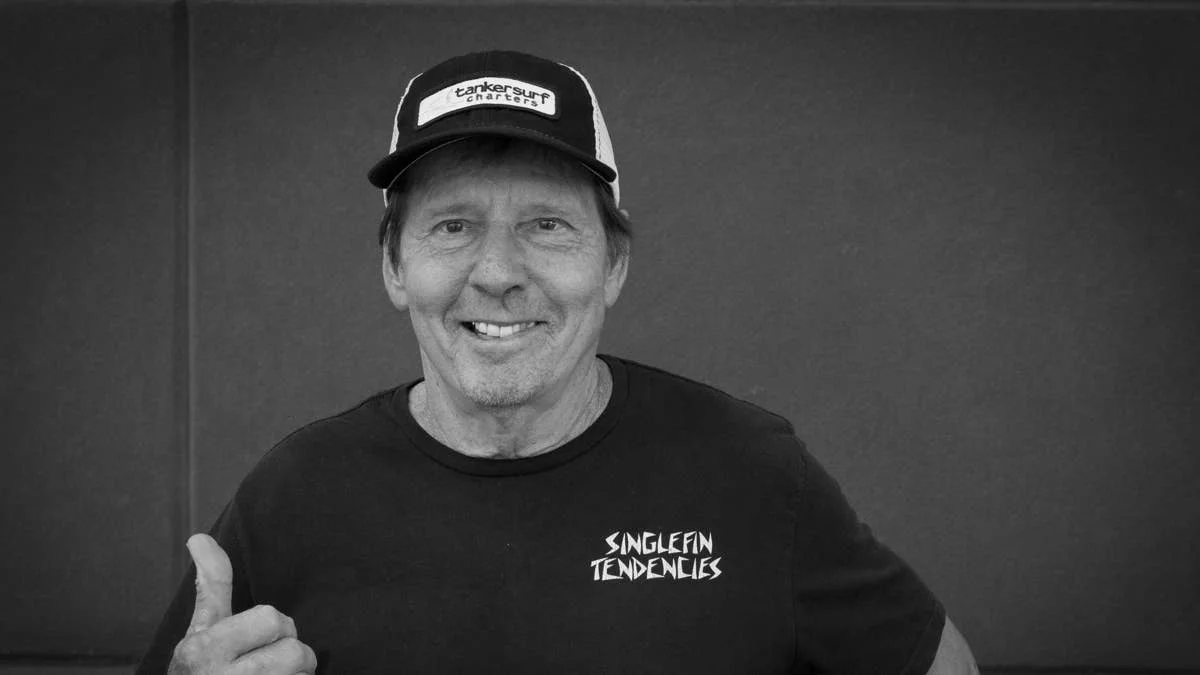
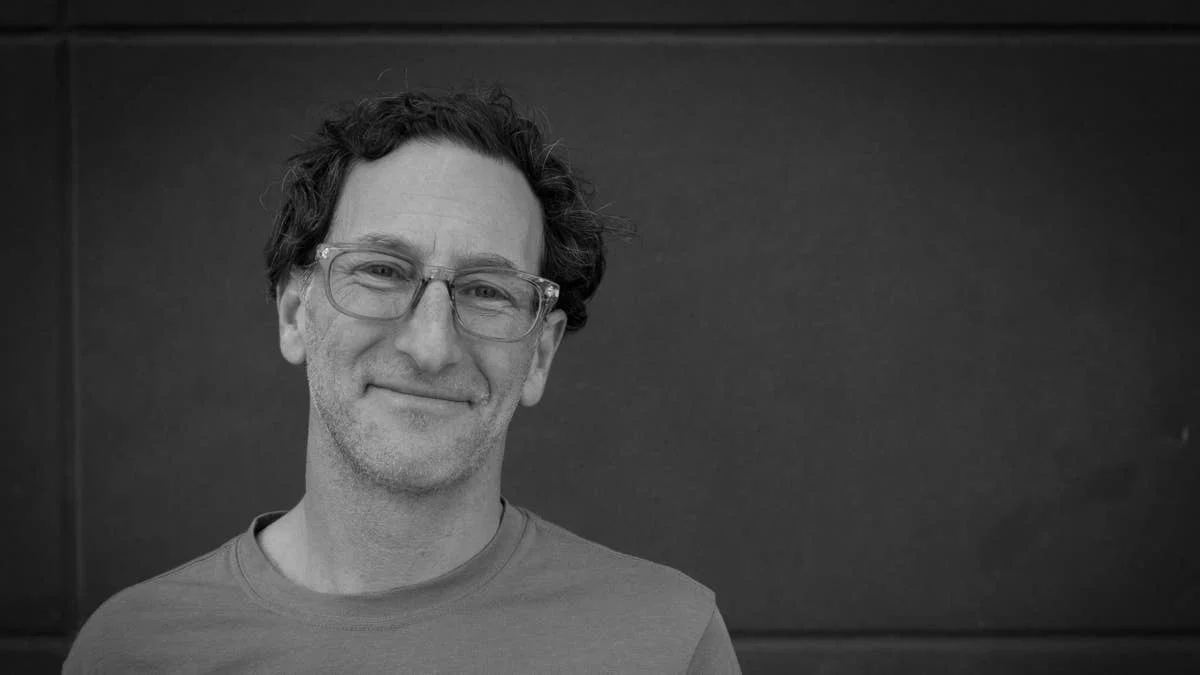
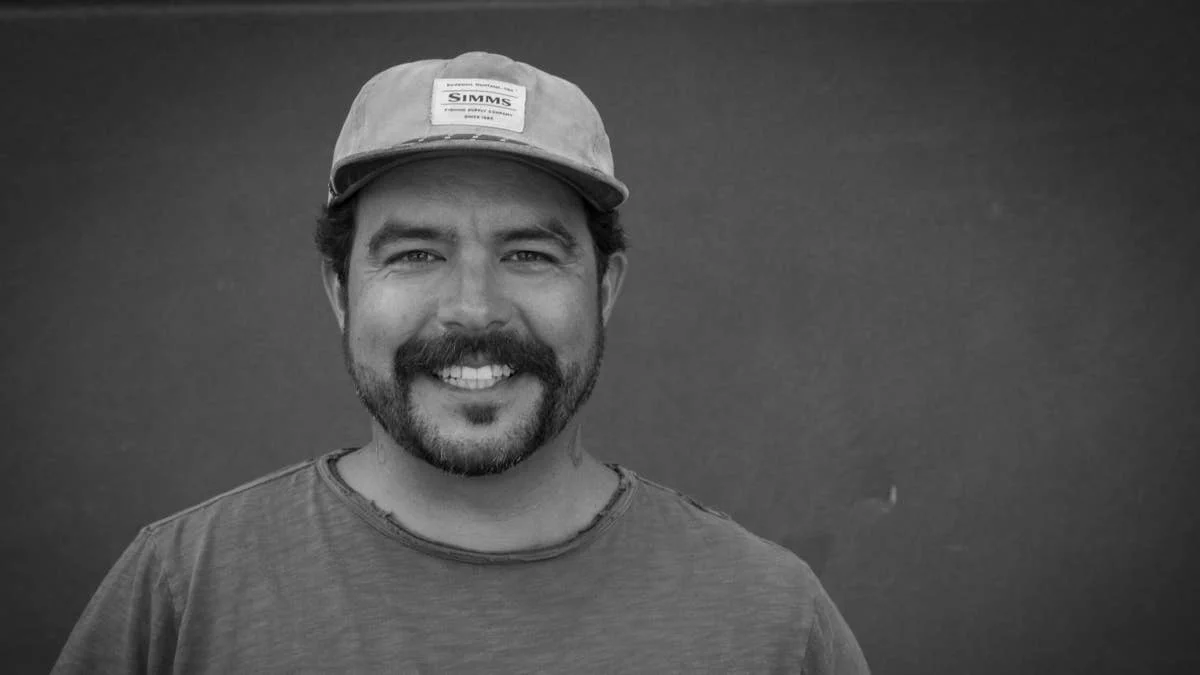
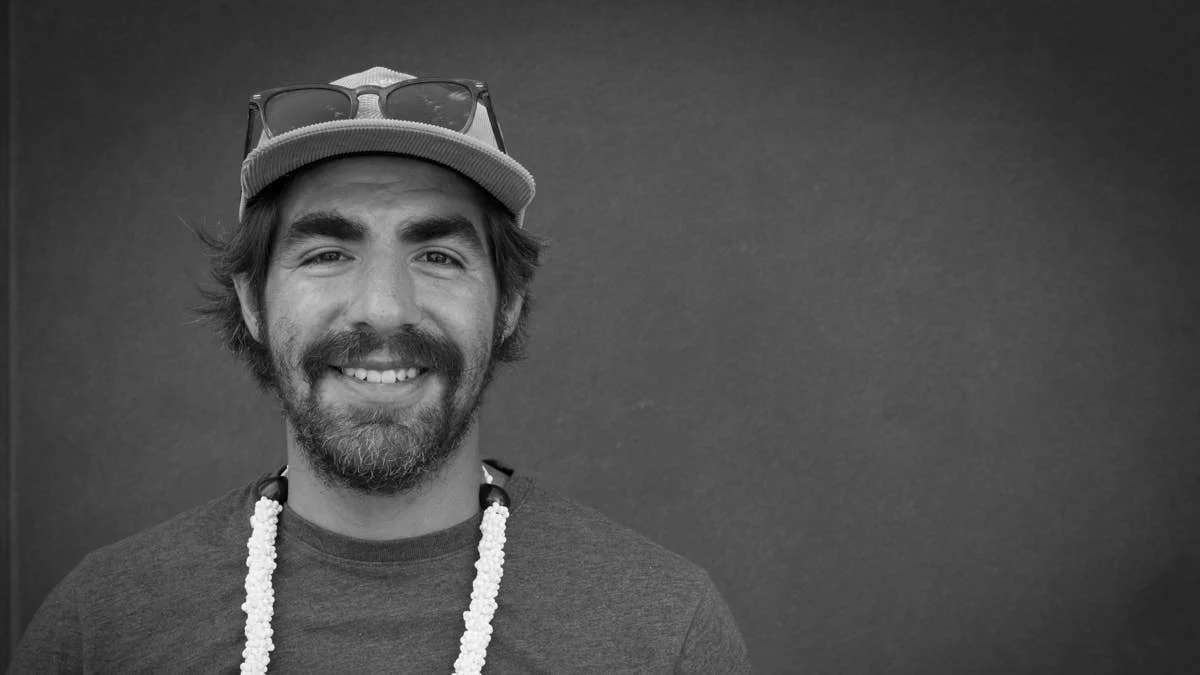
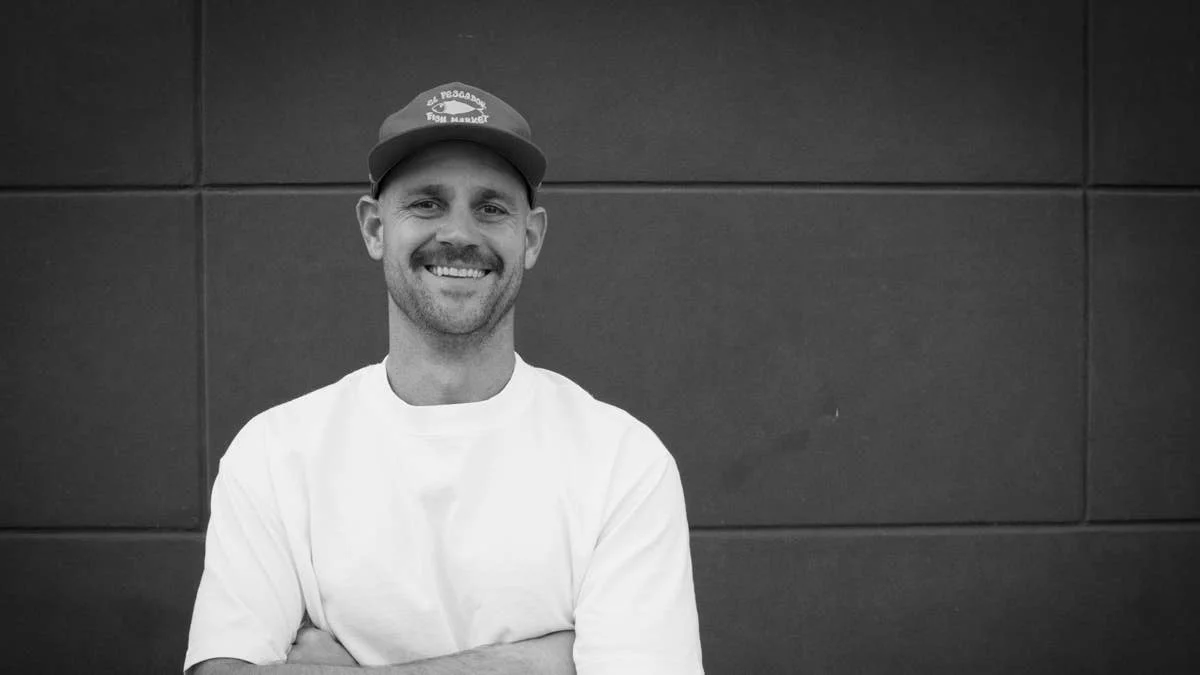
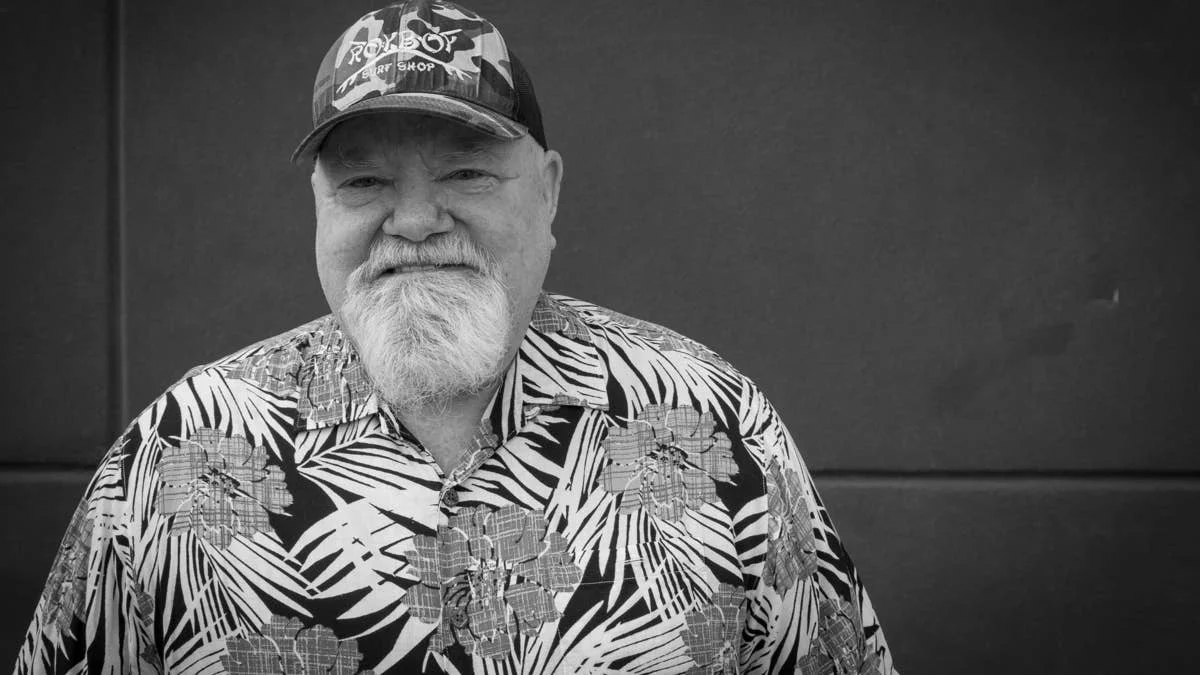
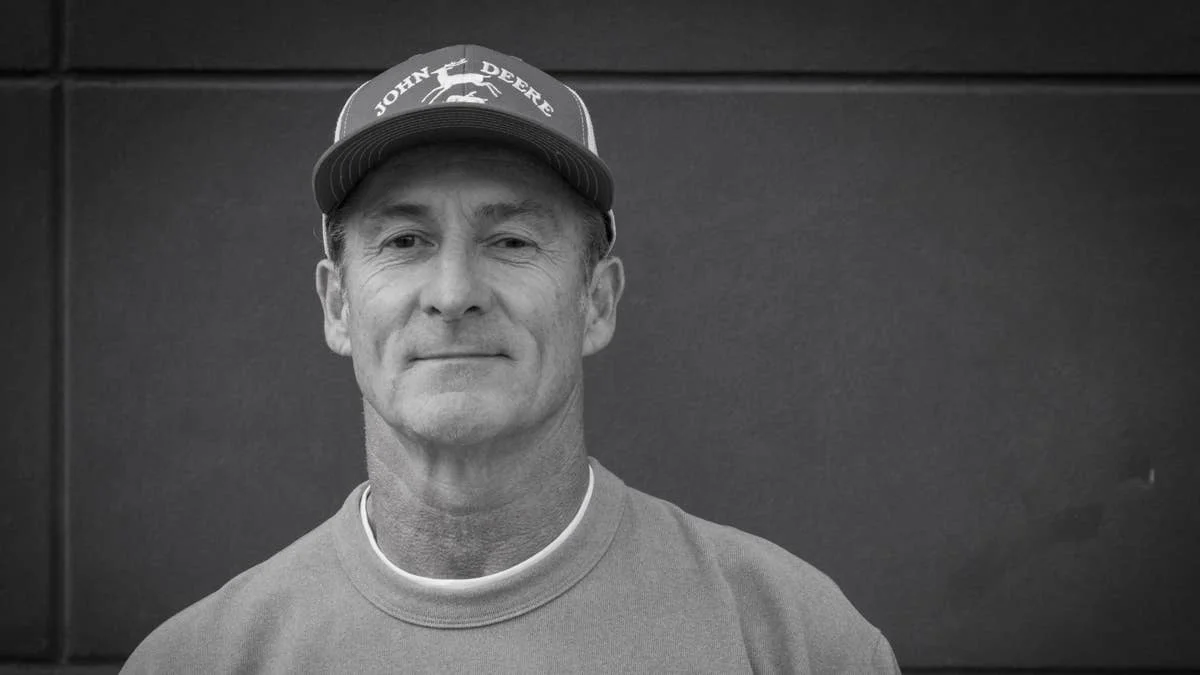
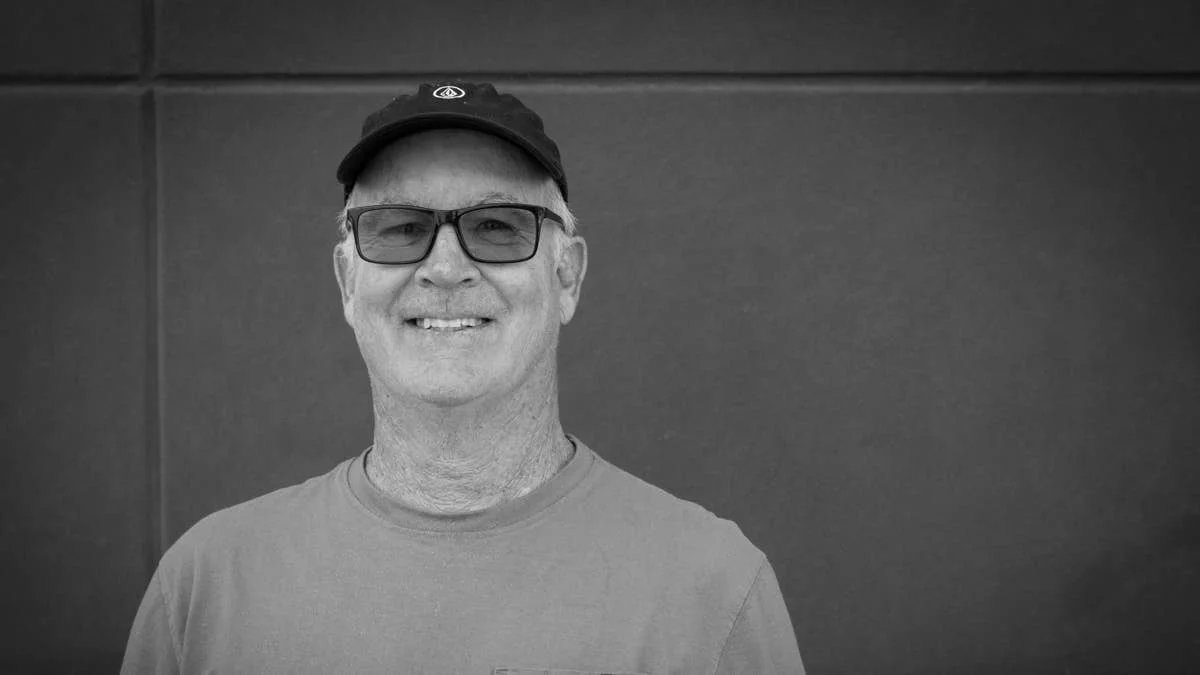
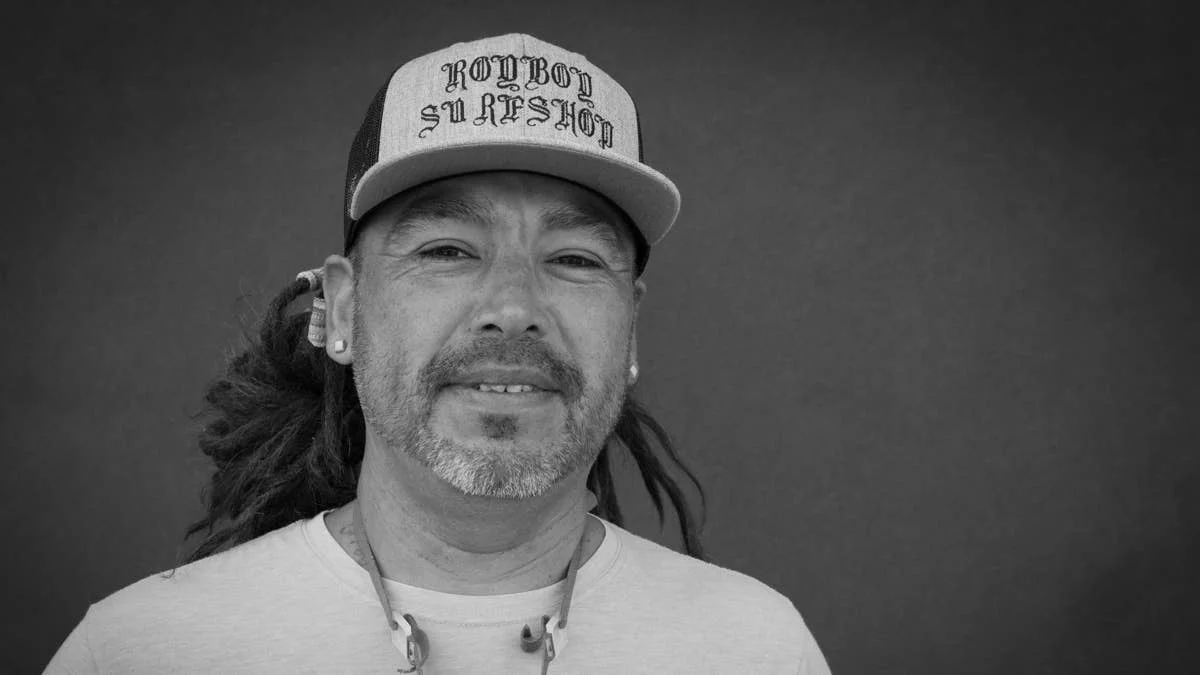
The portraits gathered here offer a first look at that range. They pair shapers with images of their workshops, boards and the waves those boards were built to ride. Some makers are established veterans; others are part of a younger generation carrying the work onward. The gallery’s strength lies in showing them together, as members of a craft community rather than isolated names.
The people behind the boards
Each shaper brings a different background and approach, but the work has a shared purpose: making boards that bring surfers into the water when conditions allow. The maker’s decisions meet the rider’s needs and the character of a wave. In Texas, where a good swell can’t be taken for granted, that relationship is especially visible.
The Board Walk turns attention toward the people who usually stand behind the finished board. Its portraits make a case for treating their work as part of the state’s surf history, alongside the sessions, places and community the boards support. As the showcase returns and its record grows, the next chapter will be told not only through the shapes on display, but through the voices and memories of the people who made them.
Caleb Bass
Jon Steele
Jon Steele
Jon Steele
Jon Steele
Jon Steele
Jon Steele
Jon Steele
Jon Steele
Jon Steele
Jon Steele
Jon Steele
Jon Steele
Jon Steele