Mike Tomlin Urges Jets to Drill Two-Minute Situations as Aaron Glenn’s Halftime Problems Persist
New York’s 107-6 deficit in the final two minutes before halftime resurfaced against Miami, prompting Tomlin to call for daily practice.
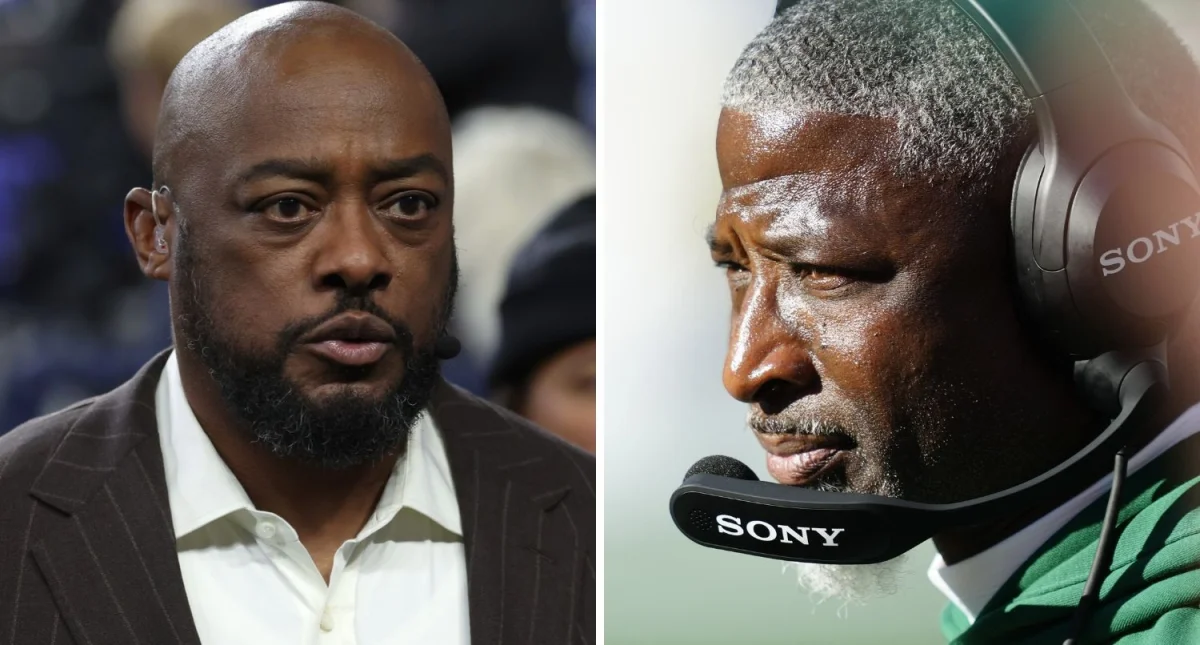
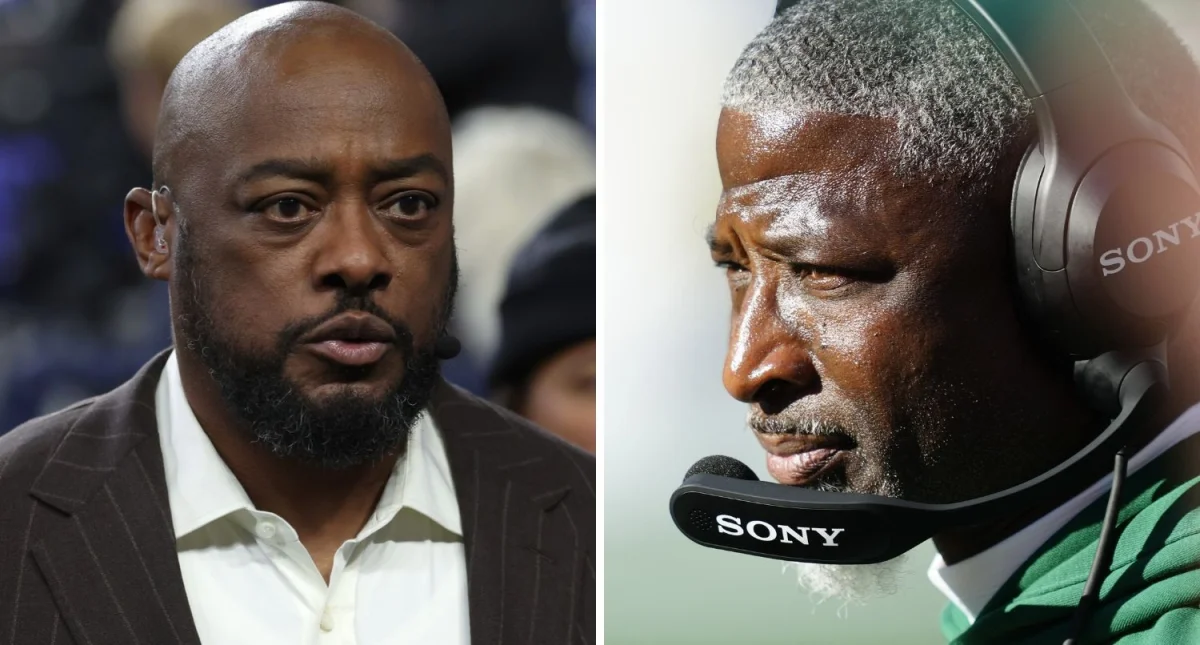
The Jets’ late-half struggles have become a defining measure of Aaron Glenn’s tenure, and Mike Tomlin’s prescription was blunt: New York needs to practice the two-minute drill every day. The latest evidence came Sunday, when the Jets let Miami consume the final 8:38 of the first half, then carried all three timeouts into the break.
That choice mattered in a 28-25 loss to a Dolphins team that had been winless before the game. Miami put together a 15-play, 91-yard drive, while the Jets passed up the chance to preserve time and potentially get the ball back. Glenn said afterward that the team expected its defense to make a stop.
“Maybe we should’ve called our timeouts to get it back, but at that point, we just felt like we were going to stop them and be able to get the ball back,” Glenn said.
” Maybe we should’ve called our timeouts to get it back, but at that point, we just felt like we were going to stop them and be able to get the ball back”
Aaron Glenn says the Jets should’ve used their timeouts at the end of the first half: https://t.co/84J1TdQ6uz
— SNY Jets (@snyjets) October 25, 2026
The explanation lands awkwardly against the pattern. Across Glenn’s 24 games as a head coach, the Jets have been outscored 107-6 in the final two minutes of the first half. That 101-point margin covers 48 minutes of game time. New York’s record over those 24 games is 5-19, and the breakdown before halftime has remained a glaring weakness since the start of last season.
Tomlin addressed that history Sunday night on NBC’s Football Night in America. His point was that a team has enough evidence after a stretch of games to identify a recurring problem and build practice around it. The Jets, he said, have had far longer to assess this one.
“Like we talked about at the first of October wth three game sin you have enough of a body of work to determine what your weakness and then plot out a course to fix them,” Tomlin said. “[The Jets have] been looking at this particular weakness since the beginning of last season, and it’s still 107-6. And so certainly they have a lot of work ahead of them. If I were them, I would do two-minute [drills] every day of my life until further notice.”
Mike Tomlin: “[The Jets have] been looking at this particular weakness since the beginning of last season, and it’s still 107-6… If I were them, I would do two-minute every day of my life until further notice.”
https://t.co/gwcJUjdK7h
— Awful Announcing (@awfulannouncing) October 26, 2026

That advice speaks to a situational habit, not a single bad call. Two-minute work asks a team to manage the clock, communicate quickly and make decisions under pressure. In this case, New York had the timeouts to retain control over the final stretch of the half. Using them could have forced Miami to play faster, created another possession, or at least tested the Jets’ ability to handle the closing moments. Instead, Glenn’s decision handed the Dolphins the time they needed to finish their drive.
The rest of the afternoon offered little relief for New York. Miami had not held a lead at any point this season before Week 7, but it never trailed at MetLife Stadium. Willis, who entered with two touchdown passes for the season, threw two against the Jets. The visitors’ win made the halftime sequence part of a broader failure to seize control of a matchup against a struggling opponent.
New York fell to 2-5, while Glenn’s record moved to 5-19. He is 0-8 against AFC East teams. His first season ended 3-14, after the Jets opened his head-coaching tenure with the longest losing streak in franchise history. Sunday’s defeat added to the concern that the team has failed to show tangible improvement and may be regressing. SNY’s Connor Rogers made a similar point.
There is still a case for giving a coach more time, but that argument gets harder when a known weakness keeps producing the same result. The halftime problem is especially revealing because Glenn’s own explanation describes a bet on a defensive stop. The team’s record in that window suggests the decision deserved a more deliberate plan, with practice repetitions aimed at improving both clock use and execution.
Mike Greenberg, the prominent Jets fan and Get Up host, also criticized Glenn’s timeout explanation and predicted that the coach’s departure was a matter of when, not if. That judgment reflects the stakes of the loss: a team that started the season 2-5 has little room for more missed chances, and the Miami game offered another example of a problem already measured across a long stretch.
Tomlin’s name inevitably enters the conversation around a future Jets coaching search. His comments were about the team’s preparation, but his own circumstances make a return to the sideline an open question. Since joining NBC, he has received strong reviews, described his first family reunion since 1997, and talked about sleeping in for the first time in two decades. NBC has also turned his 12-year Minecraft project into Sunday night programming.
He has called the role full-time pay for part-time work, and NBC structured his contract with more compensation later. Tomlin has told Cris and Jac Collinsworth he has learned never to rule out coaching again, while Chris Simms believes coaching’s pay could eventually draw him back. Neither possibility makes New York an obvious destination.
The Jets problem is and has always been ownership. Eight first-time head coaches this century, all of whom have a defensive background. The only offensive-minded non-first-timer was Adam Gase. They’re 178-249 in that span. No one wants to coach here because the org is awful.
— Sean Fennessey (@SeanFennessey) October 25, 2026
That is the context behind the speculation: the job would ask a new coach to repair more than one clock-management habit. Yet the immediate test remains straightforward. New York has spent nearly two seasons watching opponents own the closing moments before halftime. Tomlin’s prescription puts the focus where the numbers point: practice those situations until the Jets can manage them with purpose.
A year ago, I wrote that society has progressed past the need for the New York Jets, and judging by how much he’s enjoying life at NBC, so has Mike Tomlin.
The post Mike Tomlin says Jets should practice two-minute drill ‘every day’ appeared first on Awful Announcing.