Mike Tomlin backs Dan Campbell’s fourth-down gamble in Lions’ win over Packers
Detroit failed on fourth-and-one, but its defense and a blocked kick kept the game level before Jared Goff led the Lions to a 20-17 win.
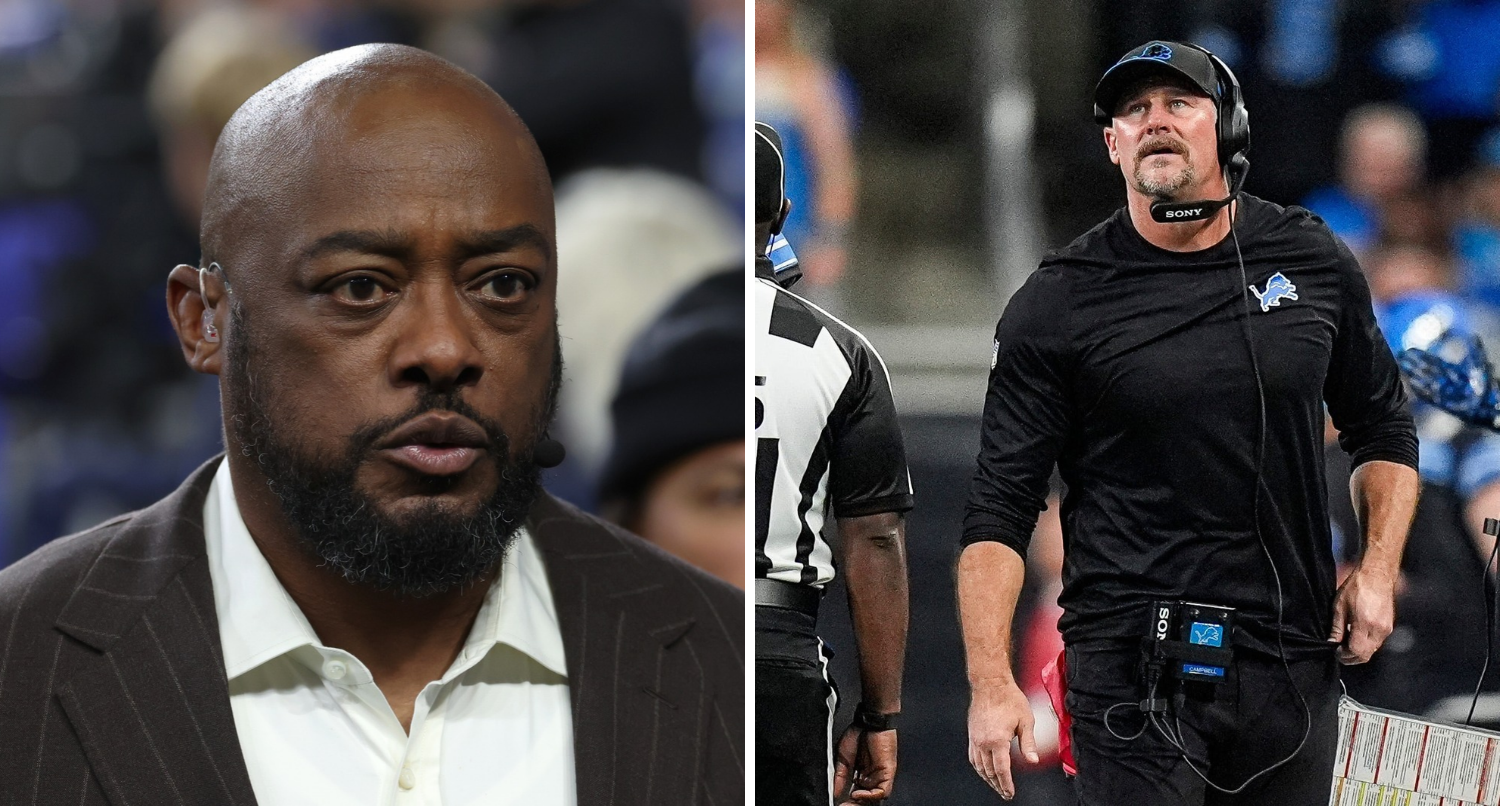
Dan Campbell’s fourth-and-one call put Detroit’s defense in a dangerous spot. Mike Tomlin’s read of the moment is that the Lions coach was weighing the danger of giving Green Bay the ball against the danger of letting Jordan Love dictate the final minutes. Detroit didn’t convert, but its defense and special teams erased the immediate cost. The Lions then took the game-winning chance themselves, beating the Packers 20-17.
The gamble and its immediate cost
With less than five minutes left in a tie game, Detroit faced fourth-and-one at its own 23-yard line. Campbell kept the offense on the field. Jahmyr Gibbs was stopped behind the line, and the turnover on downs gave Green Bay possession deep in Lions territory, already within field-goal range.
It was a high-stakes choice because a failed attempt handed the Packers a short field at a pivotal point in the game. The conventional alternative was to punt and make Green Bay cover more ground. Campbell instead trusted his offense to gain one yard and retain the ball, accepting that a miss could give Love a chance to take the lead.
That miss didn’t become the decisive sequence. Detroit’s defense limited Green Bay to a field-goal attempt, and the Lions blocked Trey Smack’s 35-yard try. The stop preserved the tie and gave Jared Goff’s offense another possession with time to answer. Detroit drove downfield and kicked the field goal that secured the 20-17 result.
Tomlin sees the quarterback matchup
Speaking after NBC’s Sunday Night Football broadcast, former Pittsburgh Steelers head coach Mike Tomlin defended Campbell’s reasoning. His explanation centered on the quarterbacks: when an opponent has an elite passer, Tomlin argued, a coach may want to keep the ball in the hands of his own quarterback for the final opportunity—or at least make sure that quarterback has time to respond.
Mike Tomlin explains why he supports Dan Campbell’s fourth-down decision from Sunday’s Packers-Lions game.
https://t.co/hWhfpaGFyj
— Awful Announcing (@awfulannouncing) October 26, 2026

“It centers around elite quarterback play,” Tomlin said. He pointed to the way Love and the Packers had been operating: if Detroit punted, Tomlin believed Green Bay would likely move the ball and could win with a late score. Going for it offered a different route. A conversion would keep possession with Goff; a failure would still leave Detroit with the possibility of another offensive possession, depending on what Green Bay did and how much time remained.
Tomlin connected that approach to his own time coaching Ben Roethlisberger. When facing another top quarterback, he said, he was prepared to make a similar call so his quarterback could have a chance to answer. The point isn’t that every fourth-and-short should become an attempt. It’s that the opposing offense, the clock and the value of a final possession can change the calculation.
A decision judged by what followed
The case for Campbell’s choice is clearest in the specific finish: Detroit’s defense forced a kick, the special teams unit blocked it, and Goff got the ball back with the game still tied. The Lions then completed the drive that their coach’s decision had been designed to preserve an opportunity for. That sequence doesn’t make the original call risk-free; it shows how the rest of the team had to respond when the offense came up short.
The source article argues that analytics would likely support the decision, while outlining the downside: Green Bay could have turned the short field into a touchdown, leaving Detroit time to try to tie. A punt carried its own cost, since it could have given the Packers more time to drain the clock and attempt a winning field goal near the end. The information provided doesn’t include a specific model or probability, so the strongest case rests on the game situation and the competing outcomes rather than a precise figure.
Goff praised Campbell’s handling of the clock after the win, calling it “as good as it gets at clock management.” Tomlin’s support echoes that assessment. Detroit’s failed conversion made the call look vulnerable for a moment; the blocked kick and winning drive showed why Campbell was willing to accept that risk. The result leaves the Lions with a 20-17 win over a division rival, and the finish gives their late-game decision-making a defining example: one failed play didn’t decide the game because the defense, special teams and offense each had a chance to shape what came next.
Tomlin has also discussed clock management in relation to Aaron Glenn.
The post Mike Tomlin defends Dan Campbell’s controversial fourth-down decision appeared first on Awful Announcing.