Tom Curren, Clay Marzo and Friends Find Room to Surf Mundaka
A steady swell and lighter lineup let the Twin Fin Invitational crew experience Mundaka in rare form, with standout rides from Curren, Marzo and Kepa Acero.
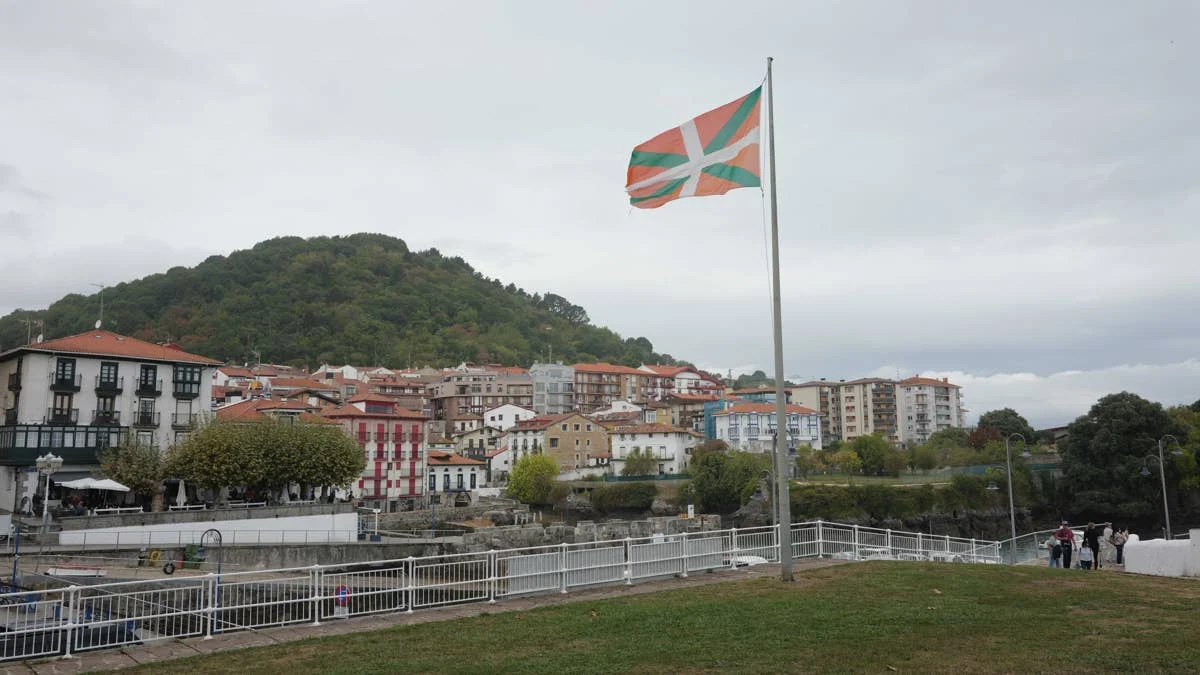
Mundaka’s rarest feature on this day wasn’t the size of the surf. It was the room to enjoy it. After the opening day of the Twin Fin Invitational, a large new swell overwhelmed Zarautz’s beach break, sending the crew north toward France or west to Mundaka. The second episode of the series, Mundaka Mission, follows the group that chose the Basque Country.
Side-onshore wind kept conditions from being perfect, but it also appeared to thin the lineup. Without offshore winds drawing a pack of more than 100 surfers to the peak, the visitors found an unusually open session at one of Europe’s best-known waves. For a crew packed with accomplished surfers, that meant more than a scenic backdrop: it gave each rider space to read the long left and find a rhythm.
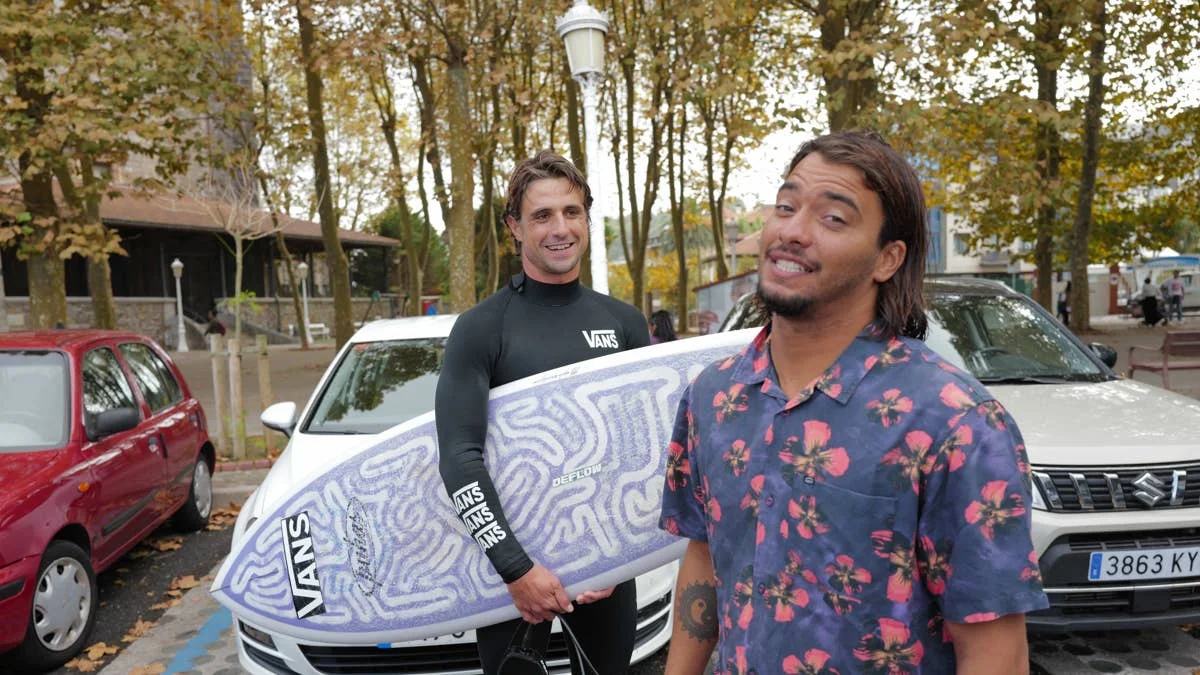
The group included Tom Curren, Kepa Acero, Clay Marzo, Ander Mendiguren, Miguel Blanco, Gatien Delahaye, Lili Young, William Aliotti and Pat Curren, among others. A steady mid-period swell kept sets arriving for hours, from low tide around midday into the evening. The waves kept coming, and the session had enough room for different approaches to stand out.
Chris Dodds
Three rides that set the tone
Pat Curren made one of the day’s most striking first impressions. On his first visit to Mundaka, he threaded through a deep tube across the middle bar with the composure of someone who knew the wave well. It’s the sort of ride that makes a first session feel like an arrival.
Clay Marzo supplied a different kind of punctuation, launching an aerial that could be seen from the village. Where Curren’s moment came from holding a line through the tube, Marzo’s came from taking the wave into the air. Those contrasting highlights suited a session shaped by a broad, consistent swell rather than one narrow window for a single style of surfing.
Kepa Acero arrived late, after much of the crew had already begun to tire, and still found wave after wave. He rode a yellow 6’9″ twin fin, a Magnetic from Pukas, laying down smooth lines through the long left. His timing mattered: by then, the session had already asked plenty from everyone in the water.
Curren, meanwhile, rode a vintage Maurice Cole from the early 1990s. He hadn’t surfed Mundaka in years, yet the footage made his return look natural, as if the break had stayed familiar. That ease is a notable counterpoint to the session’s physical demands: knowing how to connect sections matters, but the river’s moving water keeps every surfer working between waves.
The river shapes the session
Mundaka’s setting helps explain both the wave and the effort it takes to surf it. A wide, green river valley runs between ridges and low peaks toward the ocean. The river carries sand and sediment with it, helping create the left-hander. The surrounding forest is part of the Urdaibai Biosphere Reserve, a UNESCO-protected area where the Atlantic meets a diverse coastal ecosystem.
The scenery is more than a pause between rides. The session’s rhythm depends on the river as well as the swell. Big tide swings can produce a strong current, leaving surfers paddling for long stretches and making fatigue a factor as the hours pass. A steady supply of waves gave the crew plenty to surf, but it didn’t make the paddle back any easier.
Chris Dodds
That combination gives the day its character: a powerful break, a demanding current and, unusually, enough space for a visiting crew to settle in. The nearby village is small, with two cafes beside the harbor and views toward the peak. After hours of paddling, the reported reward was a few beers and Basque tortilla while watching the waves. It’s a simple ending to a session whose best moments came from staying in the water long enough to meet the sets.
The episode also invites a useful comparison with a busier day at the same break. A second clip offers a look at the kind of crowd Mundaka can draw; set beside Mundaka Mission, it makes the value of the lighter lineup plain. The wind may not have delivered ideal conditions, but on this day it helped create a rarer opportunity: a steady swell, room to surf and an unusually varied group of riders meeting the wave on their own terms.
Episode three is next. For now, the takeaway from this Mundaka mission is clear: even when the wind misses the ideal mark, a steady swell and a quieter lineup can turn a famous break into a rare chance to see elite surfers explore it without the usual pressure for every wave.
===