Jasson Domínguez Faces a Defining Yankees Offseason After 2026 Slide
With one minor-league option left, Domínguez may stay in the Yankees’ plans. His plate discipline and switch-hitting consistency now need to catch up with his tools.
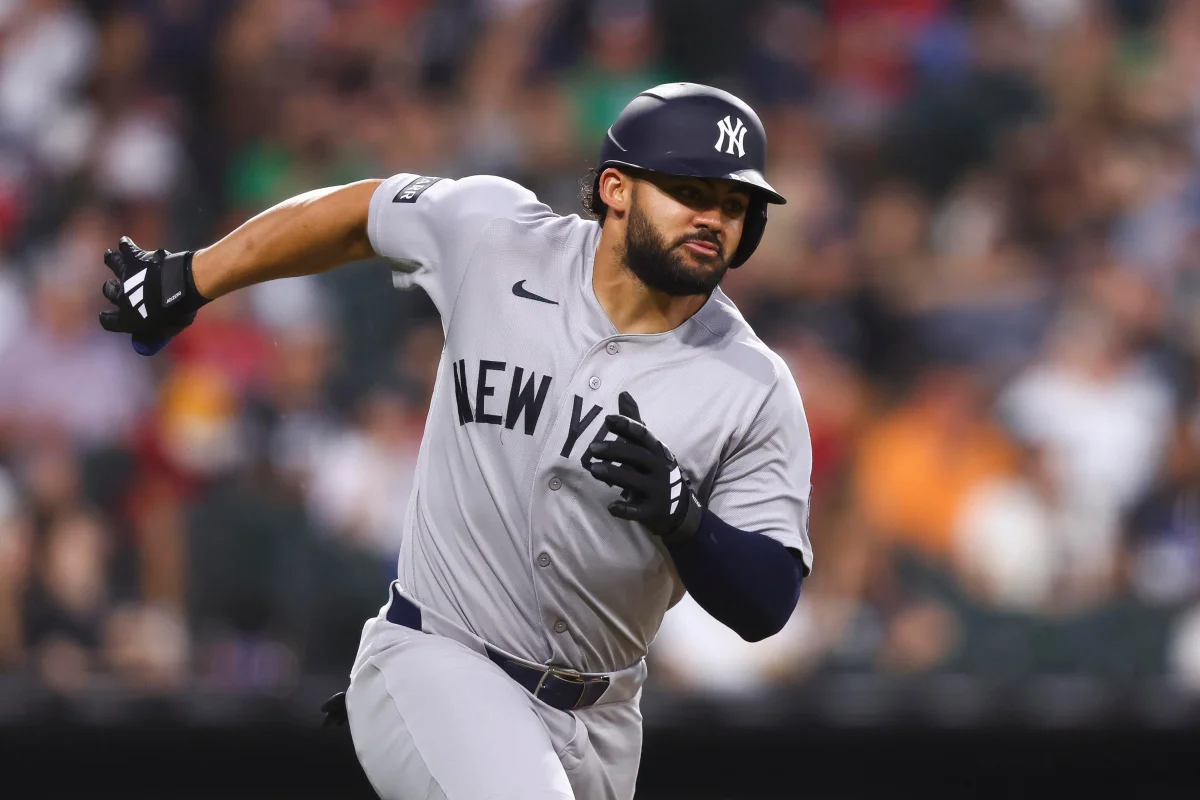
Jasson Domínguez still has the tools that made him one of baseball’s most promising position-player prospects. What he hasn’t shown is that he can turn them into steady major-league production. After another difficult season, the Yankees face a choice: keep him as depth and give him time to develop, or explore a trade while his long-term value remains uncertain.
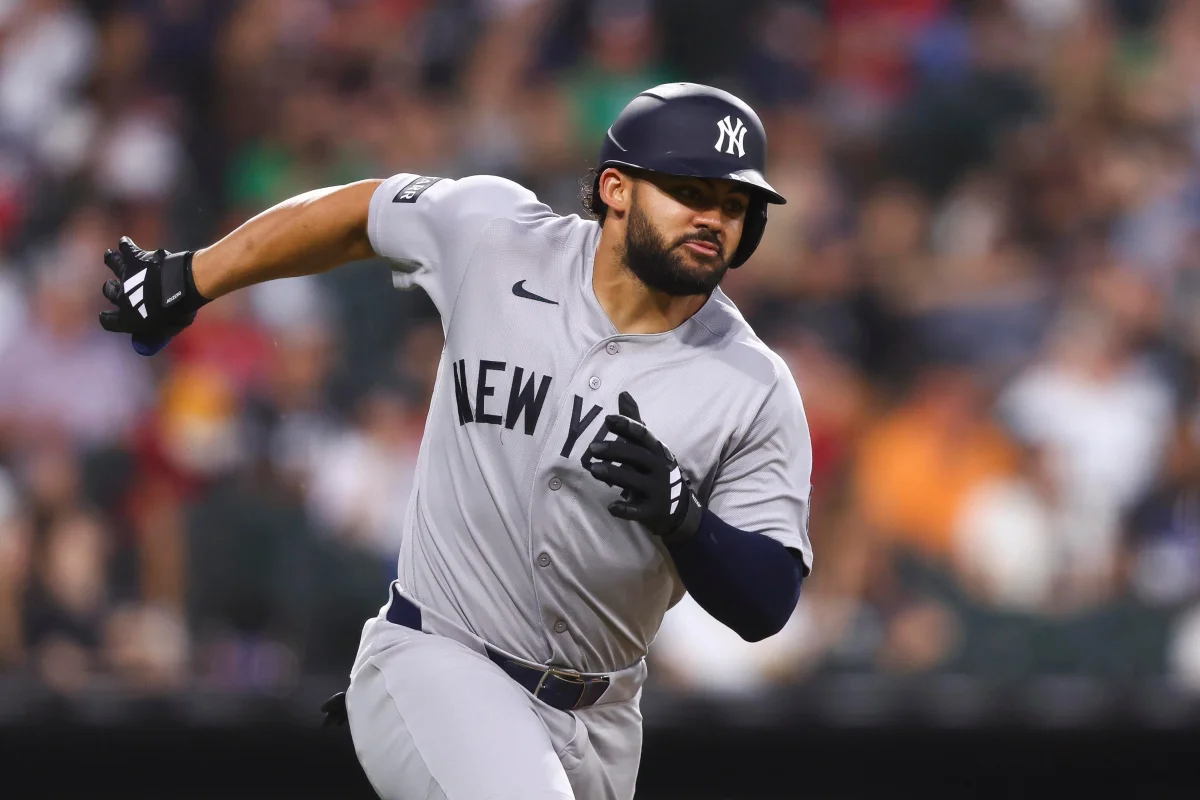
Domínguez’s 2026 season offered little reassurance. Across 222 plate appearances, he hit .225/.267/.368 with six home runs and eight stolen bases, producing a 76 wRC+. His value was -0.2 fWAR for the year, leaving him with 0.5 fWAR across 206 career MLB games. The numbers mark a sharp fall from the promise of 2023, when he moved quickly through Double-A and Triple-A and also showed flashes in a brief major-league opportunity.
Tools without consistent results
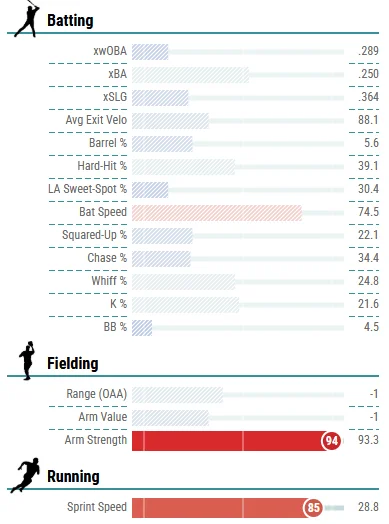
The gap between Domínguez’s physical ability and his output is becoming harder to dismiss. His bat speed and arm strength stand out, and his speed offers another clear asset. But his contact metrics, defense and range have lagged. Those traits point to a player with plenty of raw ability, yet the Yankees need more than flashes if he’s to claim a regular role.
His switch-hitting splits add another layer of uncertainty. In 2026, Domínguez posted a 58 wRC+ from the left side and a 105 wRC+ from the right. That pattern reversed the splits he recorded in each of his previous three MLB seasons, making it difficult to identify a dependable approach for opposing pitchers to face. He needs to make more consistent contact and hit the ball with greater authority from both sides.
Plate discipline is the clearest place to start. Domínguez walked in just 4.5 percent of his plate appearances in 2026. That leaves little room for error when contact isn’t carrying enough damage: pitchers can challenge him, and weak results can pile up before he has a chance to adjust. A stronger grasp of the strike zone would give his bat speed and athleticism more chances to matter.
A crowded route to playing time
New York’s outfield picture makes the development question more urgent. Aaron Judge, Cody Bellinger, Spencer Jones and Heliot Ramos are in the mix, with Domínguez and José Caballero available to cover the outfield as needed. Giancarlo Stanton would be limited to designated hitter if he returns, and another outfielder through free agency or a trade remains possible.
That’s a crowded group competing for a handful of jobs. For Domínguez, regular at-bats are more valuable than a bench role that leaves him trying to build consistency in scattered opportunities. If he stays with the Yankees and doesn’t win a spot in spring training, Triple-A is the likely starting point. Injuries ahead of him could change that path, but the current roster makes a direct route to everyday major-league work difficult to see.
He already lost ground during the season. A low-grade AC joint sprain in May sent him to the injured list, but he failed to make a strong enough case after getting healthy. The Yankees’ offense was sagging, and the club acquired Ramos and promoted Jones. Domínguez went to the minors and appeared in only four MLB games after the Trade Deadline.
Keep him, or use him in a deal?
Trading Domínguez now would mean selling at a low point, and the Yankees have little reason to move him simply for the sake of making a deal. His remaining minor-league option gives the club a practical reason to retain him as organizational depth while preserving a chance that he rebounds. But the option doesn’t answer the larger question of where he fits in the team’s future.
Any trade decision comes down to the return and Domínguez’s role in the deal. He could be the central piece or part of a larger package, and those scenarios carry different costs. Holding him gives New York a chance to benefit if he turns his tools into production. Waiting also carries risk: he could continue to struggle, and his value could fall further as he gets older.
Domínguez is playing Dominican winter ball in LIDOM, giving him a chance to work on his game during an important offseason. The source also points to a looming lockout that could disrupt the Yankees’ ability to communicate with him about his training and routine. Either way, the offseason arrives at a pivotal time in his development.
The most useful signal next year may be simple: whether Domínguez can draw more walks, produce steadier contact and make his two swings work together. His 2026 splits show why the Yankees can’t treat his upside as a guarantee. He may still be in the organization when the 2027 season begins, but another uneven stretch would make it much harder to picture him as part of the club’s long-term outfield plans.