Dana White Says Personal Dislike Put Josh Hokit Against Tough UFC Heavyweights
White says he gave Hokit tough tests over comments he disliked; Hokit passed them and earned a November 14 heavyweight title fight with Ciryl Gane.
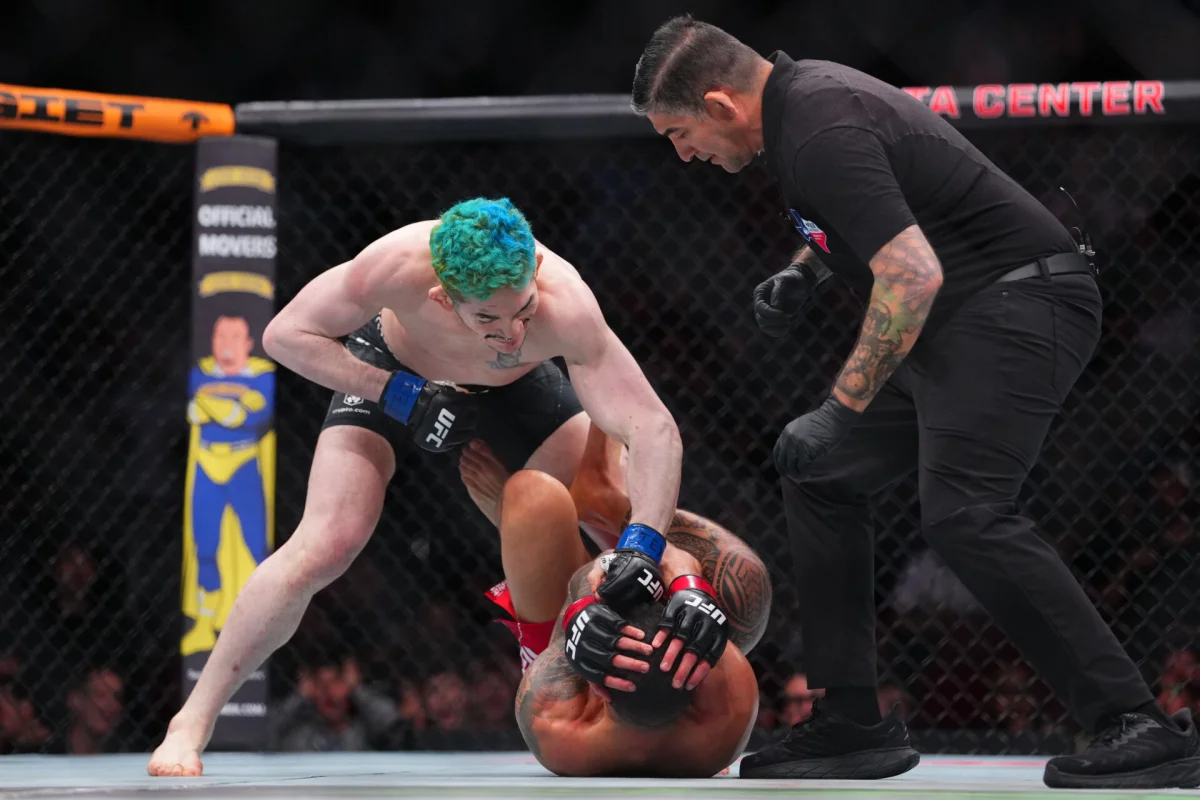
Dana White’s account of Josh Hokit’s climb to a heavyweight title fight adds an awkward layer to the matchmaking story: the UFC boss says his personal reaction to Hokit’s comments influenced the opponents he gave him. Hokit cleared those tests anyway. On November 14, he’ll meet Ciryl Gane for the vacant heavyweight title in the UFC 334 main event.
White described Hokit as a fighter who was underestimated by fans, media and the promotion itself. Speaking to Jim Rome, he said he disliked some of Hokit’s remarks and may have responded by putting “some tough guys” in front of him. Hokit passed, White said, and earned the opportunity on merit. “Like him or hate him, he fought his way to the top, there’s no denying that this guy deserves the title shot,” White said.
That explanation gives Hokit’s rapid rise a sharper edge. The 28-year-old has reached a championship bout in his fifth UFC appearance, with Curtis Blaydes and Derrick Lewis among the opponents he had to get past. White’s comments suggest those assignments were shaped, at least in part, by his own view of Hokit’s public persona. They also make the result of that run difficult to dismiss: whatever the motivation behind the matchups, Hokit came through them and now has a chance to claim the division’s vacant belt.
A short route built on demanding tests
Hokit’s bout with Blaydes was described as a Fight of the Year contender, but the contest also showed the danger in his path. Blaydes came close to finishing him multiple times. That resistance helped make the performance memorable, while the near-finishes underline that Hokit was not simply cruising through his rise.
Lewis presented a different kind of test. The source notes that he was 3-2 in his previous five fights before facing Hokit at UFC Freedom 250, and that his performances had shown signs of decline. That context complicates White’s description of the matchmaking as a steady stream of “tough guys.” A difficult name on a résumé doesn’t tell the whole story; recent form and the shape of a contest matter too.
Those two bouts leave Hokit with a résumé that invites debate without settling it. Blaydes pushed him close to defeat, while Lewis entered their meeting after an uneven stretch. The title opportunity will now offer a much clearer measure of where Hokit stands against the division’s elite. Gane is the opponent between him and the championship, and the stakes are direct: Hokit can turn a quick ascent into a title reign, while Gane can stop that rise and take the vacant belt.
Personality has become part of the story
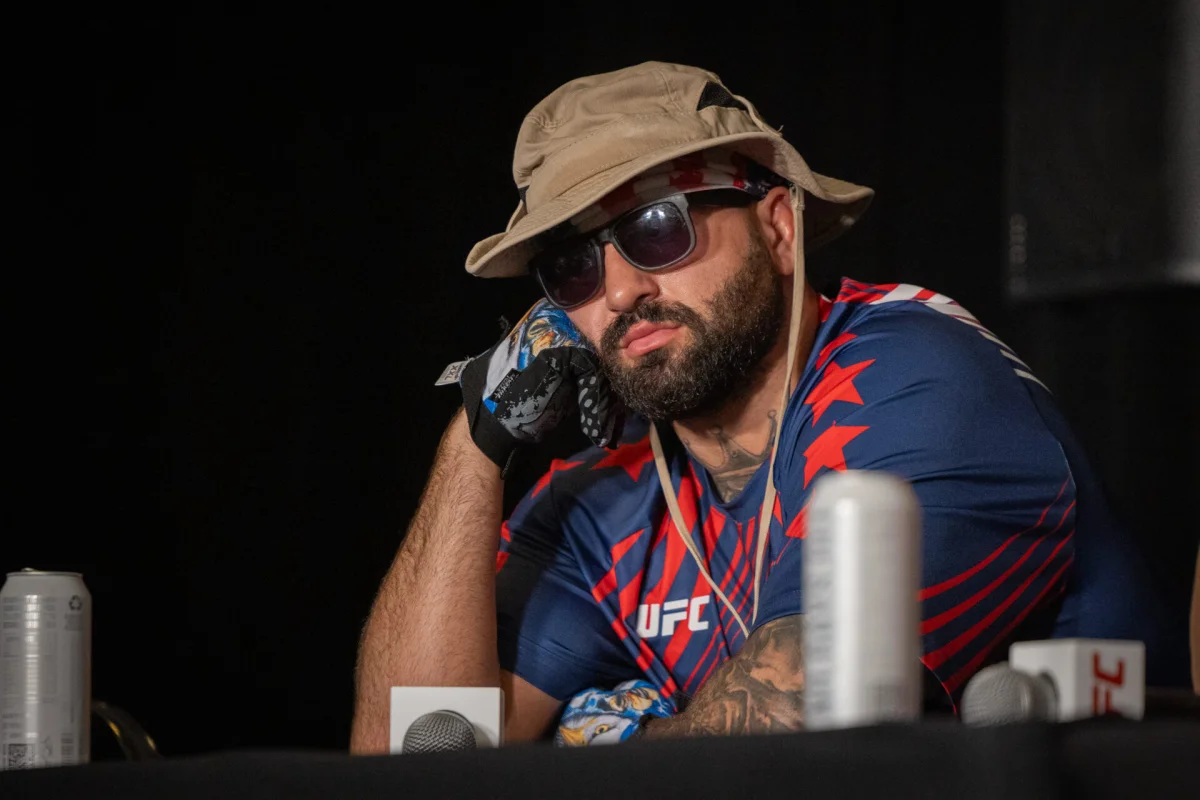
White’s reservations about Hokit began before UFC 327, when Hokit’s unusual characters took over the press conference. The promotion boss later became more openly unhappy after Hokit made a controversial remark at UFC Freedom 250, saying, “Michelle Obama is a man.” White’s reaction to that comment helps explain why Hokit’s words have figured so prominently in the way his rise is discussed.
The UFC has dealt with champions who draw attention through provocative remarks before. Sean Strickland is one example cited in the source, with his comments repeatedly creating problems for the promotion. Hokit’s growing profile could present a similar challenge if he wins: a champion’s ability to attract attention may be valuable, while the things he says can also put the promotion in an uncomfortable position. White’s remarks point to that tension, though they don’t establish how the UFC would handle Hokit as champion.
There is also a broader matchmaking question in White’s admission. If a promoter’s personal approval can make a fighter’s route harder or easier, other fighters may see the process as uneven. That perception can affect trust in matchmaking, especially for athletes who are trying to build their own case for a step up. White framed Hokit’s route as proof that he overcame the opposition put in front of him; the same account invites scrutiny of how those opponents were chosen in the first place.
For now, the immediate sporting question is more concrete than the debate around Hokit’s persona. He has reached a vacant-title main event after beating Blaydes and Lewis, and Gane is next. White says Hokit earned the chance despite being overlooked and despite the boss’s dislike of some of his comments. The November 14 matchup will show whether that climb leads to a championship—and whether the promotion’s new heavyweight titleholder brings the attention White sees in him along with the belt.