Kamaru Usman Puts Colby Covington’s 37-Second Grappling Loss in Context
Usman says Covington’s defeat was hard to excuse, but Rosas Jr. had the specialist’s edge in a submission-only match.
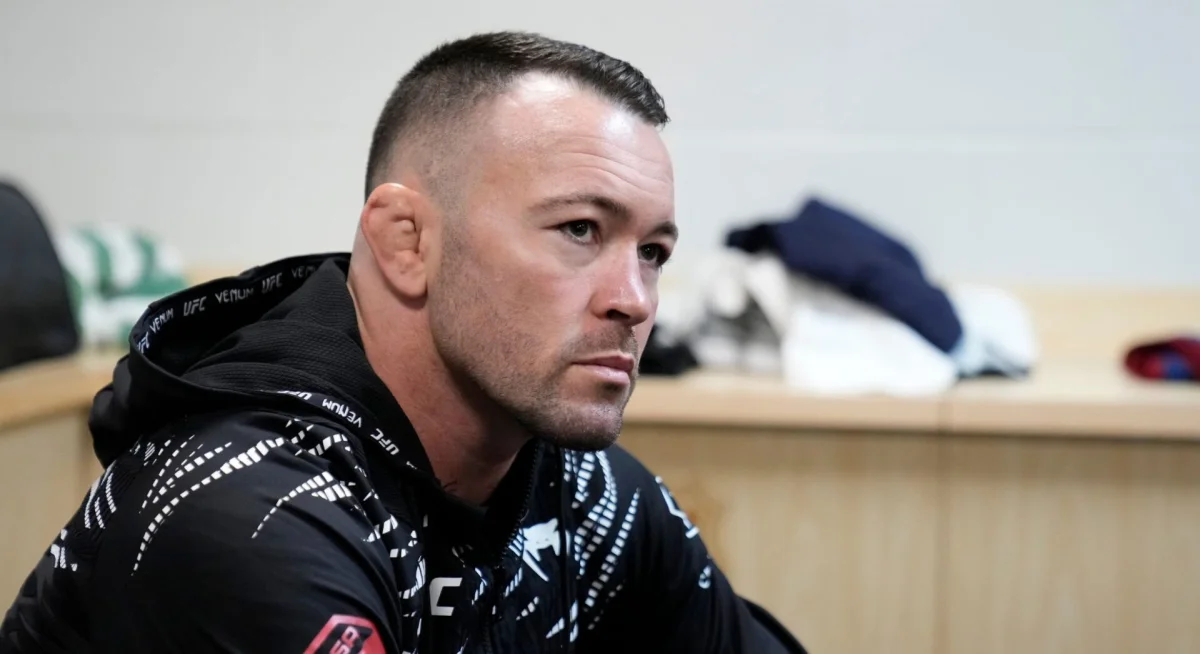
Kamaru Usman’s read on Colby Covington’s 37-second defeat is pointed: the loss was difficult to excuse, but the match played to Raul Rosas Jr.’s strengths. Covington entered a submission-only contest against a younger opponent whose background is rooted in grappling, and was caught before his wrestling credentials or size could become a factor.
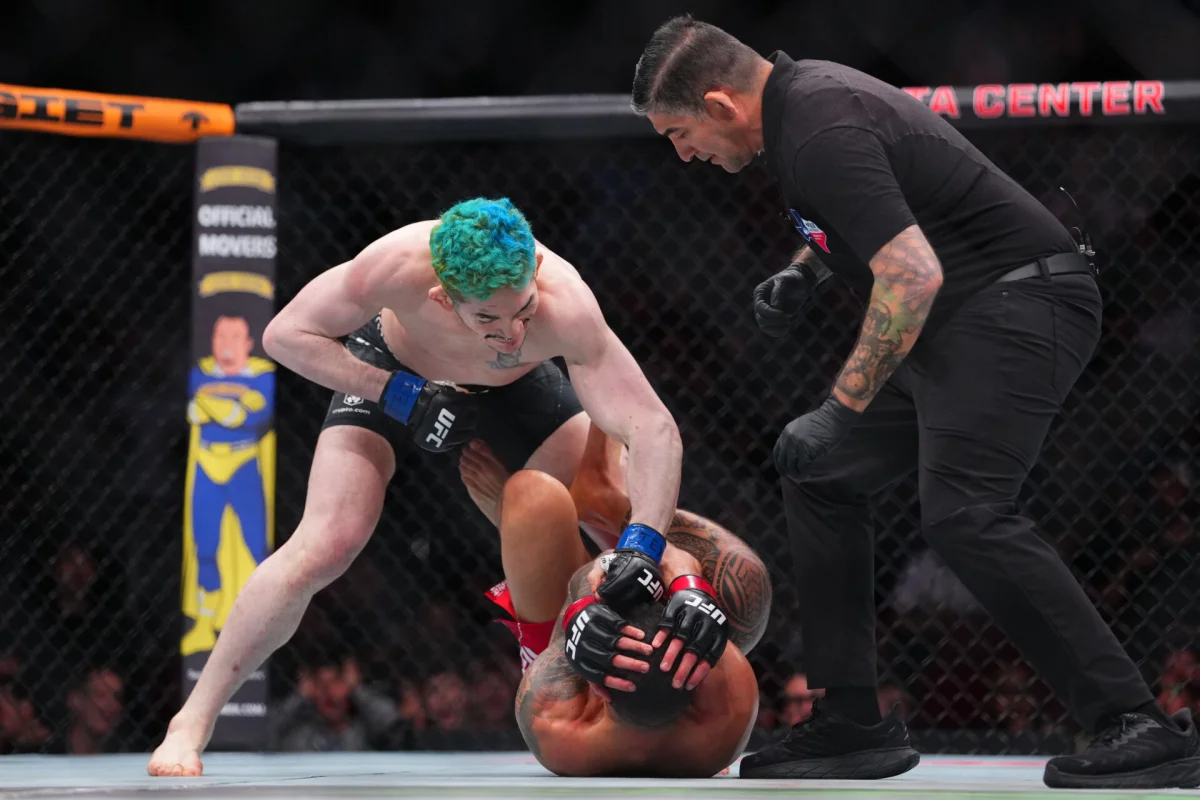
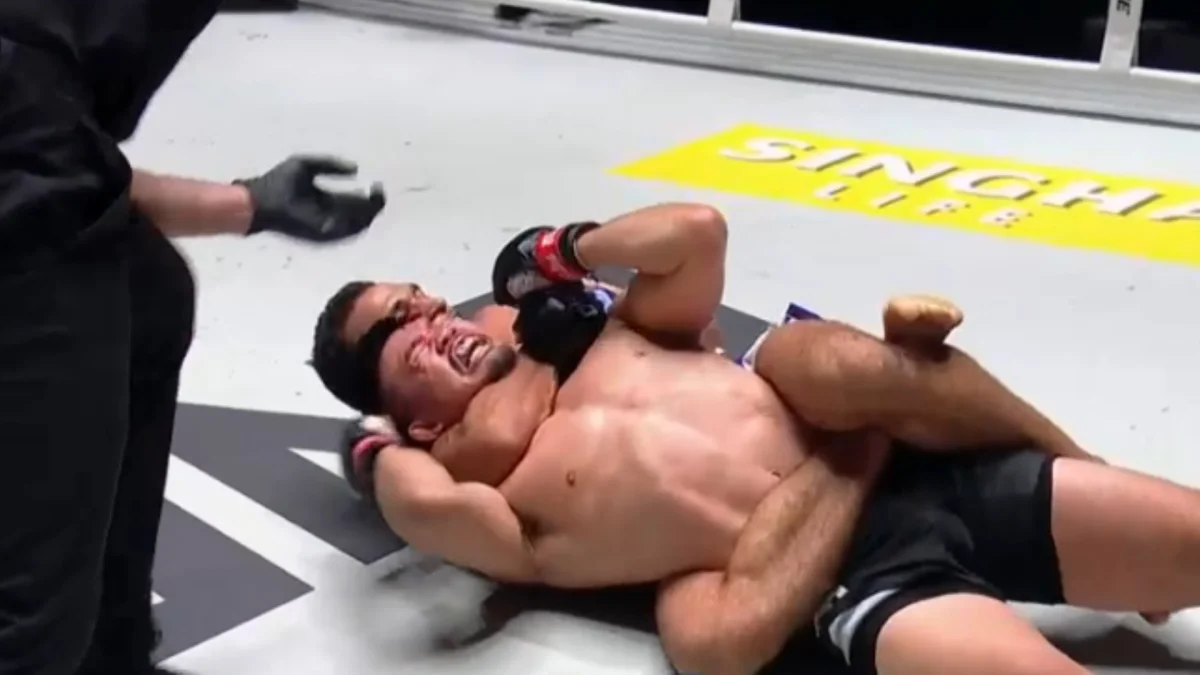
The match took place this past Tuesday, after Rosas stepped in on only a few days’ notice. He replaced Dillon Danis, who withdrew, and submitted Covington in 37 seconds. Rosas, 22, usually competes at bantamweight, while Covington is 38 and more than 40 pounds heavier. That gap made the result startling, but it didn’t erase the difference in their experience with the specific demands of a submission-only bout.
Usman separates the result from the setting
Speaking on the recent episode of the Pound 4 Pound podcast, Usman began by questioning whether the match was submission grappling. His point was not that the format made Covington’s defeat irrelevant. He said plainly that he didn’t excuse it: Covington knew what he had agreed to. But Usman also stressed that Covington was competing in Rosas’ preferred discipline, against someone who is “all mainly submission.”
“That’s not your world,” Usman said of Covington’s challenge. He described Rosas as “super tough on the ground” and said the younger fighter appeared to catch Covington off guard. For Usman, those details help explain how the match ended so quickly without turning the result into a verdict on every part of Covington’s grappling.
That distinction matters because wrestling and submission grappling can share positions while rewarding different choices. Wrestling credentials speak to control, balance and the ability to impose a physical contest. A submission-only match puts the finish at the center: a competitor must recognize threats, defend the relevant holds and make decisions inside a rule set built around submissions. Strength and positional control can help, but they don’t automatically supply familiarity with that specialized problem.
Different routes to the mat
Covington’s strongest credentials come from wrestling. He earned NCAA Division I All-American honors, a significant record of achievement in that sport. He received his jiu-jitsu black belt in 2023, but the source of his reputation remains wrestling rather than a long competitive history as a submission grappler.
Rosas followed a different path. He has grappled since he was four years old and has won amateur grappling competitions. That background gives context to Usman’s description of him as a specialist. The bout was brief, so there is little room to assess how the two might have adapted over a longer contest. Still, the outcome showed that Rosas could make his preferred skill set decisive almost immediately.
The weight difference sharpened the surprise. Covington was more than 40 pounds heavier, a substantial advantage in many wrestling and grappling exchanges because a heavier athlete can often make control harder to escape. Yet weight only helps if a fighter can establish and maintain a useful position. In a submission-only contest, a smaller, more submission-focused opponent can still create danger if he finds an opening before the heavier athlete settles into control.
Usman’s account suggests that the speed of the finish was part of the story. He said Covington’s face showed that Rosas had caught him off guard. That observation is not a detailed technical breakdown of the submission, and the source does not identify the precise sequence that produced it. The supported takeaway is narrower: Rosas’ ground expertise translated into an early finish despite the size gap and the short notice.
A rivalry doesn’t cancel the assessment
Usman and Covington have been major rivals, which gives his response extra edge. Even so, he offered a measured assessment rather than joining the criticism Covington has faced. His position holds both sides of the result together: Covington accepted the match and lost decisively, while Rosas was operating in the area where his experience was most relevant.
Covington’s defeat also drew attention from Conor McGregor, who was in attendance. Footage circulated after the match and was taken as showing McGregor laughing shortly after the loss. McGregor denied laughing at Covington, saying the broadcast had stitched together two pieces of footage. That dispute became part of the reaction, but it does not change the sporting result or Usman’s focus on the matchup itself.
For Covington, the loss raises a clear question about how his wrestling base translates when the rules put submission skill first. For Rosas, the rapid win is a strong demonstration of his ground ability, achieved against a much heavier opponent on short notice. Usman’s defense does not soften the result; it frames what it reveals. Covington was caught in a specialist’s discipline, and the finish came before his size or wrestling experience could shape the contest.