Lou DiBella Condemns Oliver McCall’s Return at 61 Ahead of Nashville Fight
McCall’s 79th bout has reignited debate over age, ring safety and boxing’s responsibility to protect its fighters.
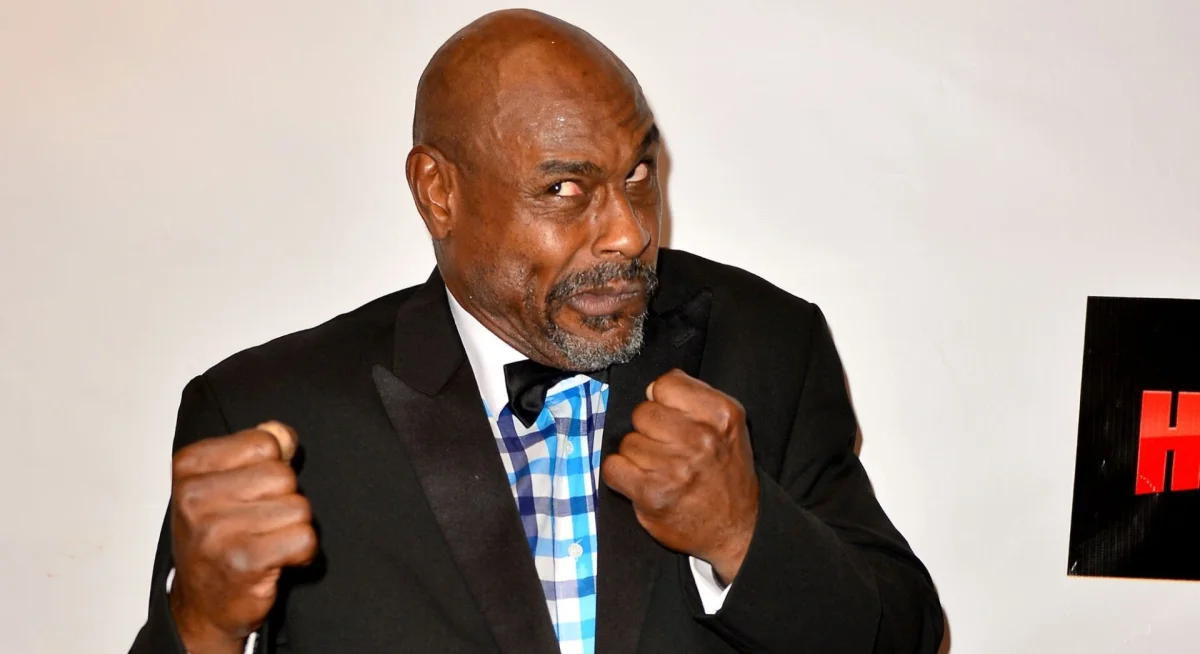
Oliver McCall’s return at 61 has put a question about boxing’s duty of care back in the spotlight. Hall of Fame promoter Lou DiBella called the bout “immoral, dangerous, and just sad,” while McCall prepares to face Jeremiah Williams in Nashville, Tennessee. The dispute reaches beyond one fighter’s choice: it asks what responsibility the sport has when an experienced former champion steps into the ring at an age that makes the risks hard to ignore.
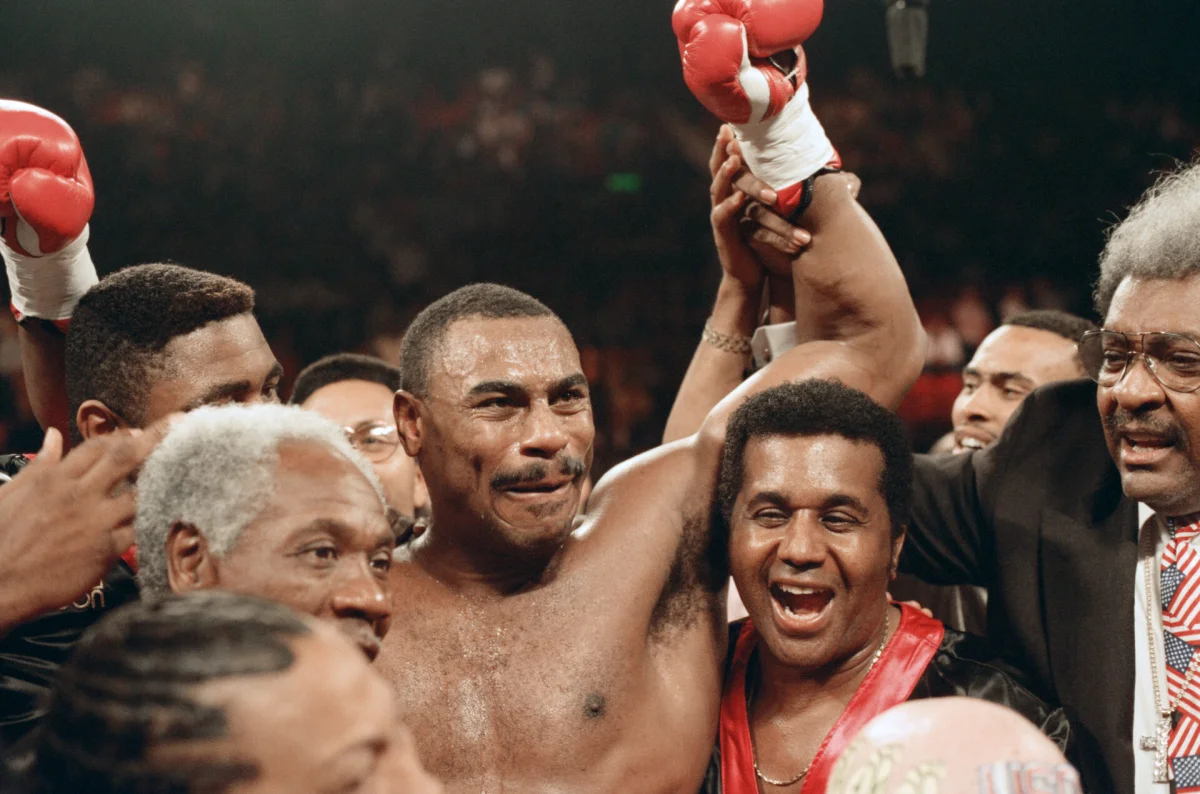
McCall made weight ahead of the fight, which is set to be his 79th professional bout. The former WBC heavyweight champion is due to compete for the fourth time since returning in 2024 after a five-year break. His comeback follows a career that includes one of the division’s most striking upsets: in 1994, he stopped Lennox Lewis in the second round to win the WBC title.
DiBella’s criticism goes beyond one bout
DiBella responded to social media posts about McCall’s return by turning his criticism on boxing as a whole. “Take boxing these days… I can’t anymore with the whole damn thing,” he wrote on X. He said the sport had once been a “guilty pleasure,” but now felt “just guilty.” His words frame the Nashville bout as part of a wider frustration with the decisions the sport keeps putting in front of fans.
His central concern is McCall’s age and the health risks of competing. Some fans replying to DiBella argued that the choice belongs to the fighter. Others questioned how both boxers had been approved to compete in Tennessee, given the medical examinations they would have needed to pass. Those reactions expose the tension: respect for a veteran’s agency sits alongside the expectation that boxing will take meaningful steps to limit preventable harm.
Neither side of that argument answers every question. A fighter’s willingness to compete matters, but it does not make age and accumulated ring time irrelevant. At the same time, the source provides no medical findings about McCall or Williams, so the debate cannot establish what either man’s individual health permits. For now, the public disagreement is about the bout’s risks and the standards surrounding it, rather than a disclosed medical assessment.
Experience cuts both ways against Williams
McCall’s scheduled opponent is Jeremiah Williams, whose age is described as similar to that of Ike Ibeabauchi, McCall’s previous prospective opponent. That October bout was canceled because of a lack of interest in the event, not because a commission had raised safety concerns about McCall. The source does not give Williams’s age or record, but it does make clear that he has substantially less professional experience than McCall.
That difference can be read in two ways. Williams is not portrayed as a dangerous young contender being placed across from a former champion to build a name. His limited experience could also mean he has taken less punishment across his career than McCall. Yet inexperience is not an automatic measure of safety: it also means less time spent facing high-level opposition and managing the demands of professional bouts.
The career totals sharpen the contrast. According to BoxRec, Williams has gone 35 bouts and completed 138 rounds. McCall has fought 78 times and logged 445 rounds. The numbers describe more than a gap in appearances. McCall has accumulated over three times as many rounds, alongside the preparation and physical demands that come with competing at heavyweight and reaching world-title level.
McCall has also never been dropped in his 78 professional bouts, an extraordinary mark in a career of that length. It speaks to his durability, but it does not by itself settle concerns about the effects of a long career or establish how safe another appearance will be. His résumé includes tougher opposition than Williams’s, and the demands of title-fight camps add another layer to what those round totals represent.
A difficult test for boxing’s safeguards
The bout arrives after a comeback that has already encountered a booking setback. McCall’s proposed fight with Ibeabauchi did not proceed because the event lacked interest. Williams now provides a different matchup, with far less experience than McCall and no suggestion in the source that he is a rising prospect being offered the former champion as a stepping stone.
That distinction may change how the contest is discussed, but it cannot erase the central issue DiBella raised. The facts available here show McCall’s age, his extensive ring record, the opponent’s smaller body of professional work and the existence of medical checks in Tennessee. They do not disclose the results of those checks or provide enough information to assess either boxer’s personal condition.
McCall’s return therefore carries two stories into the ring: the remarkable longevity of a former champion who once stopped Lewis, and the uncomfortable question of how far a veteran career should extend. The result will add another entry to McCall’s record; the scrutiny around the sport’s safeguards may last longer than the bout itself.