Colby Covington Calls Zuffa Boxing Paydays a ‘Slap in the Face’ to UFC Fighters
Covington says Conor Benn’s reported $15 million boxing deal sharpens the contrast with UFC fighter compensation, which he says remains below 20% of revenue.
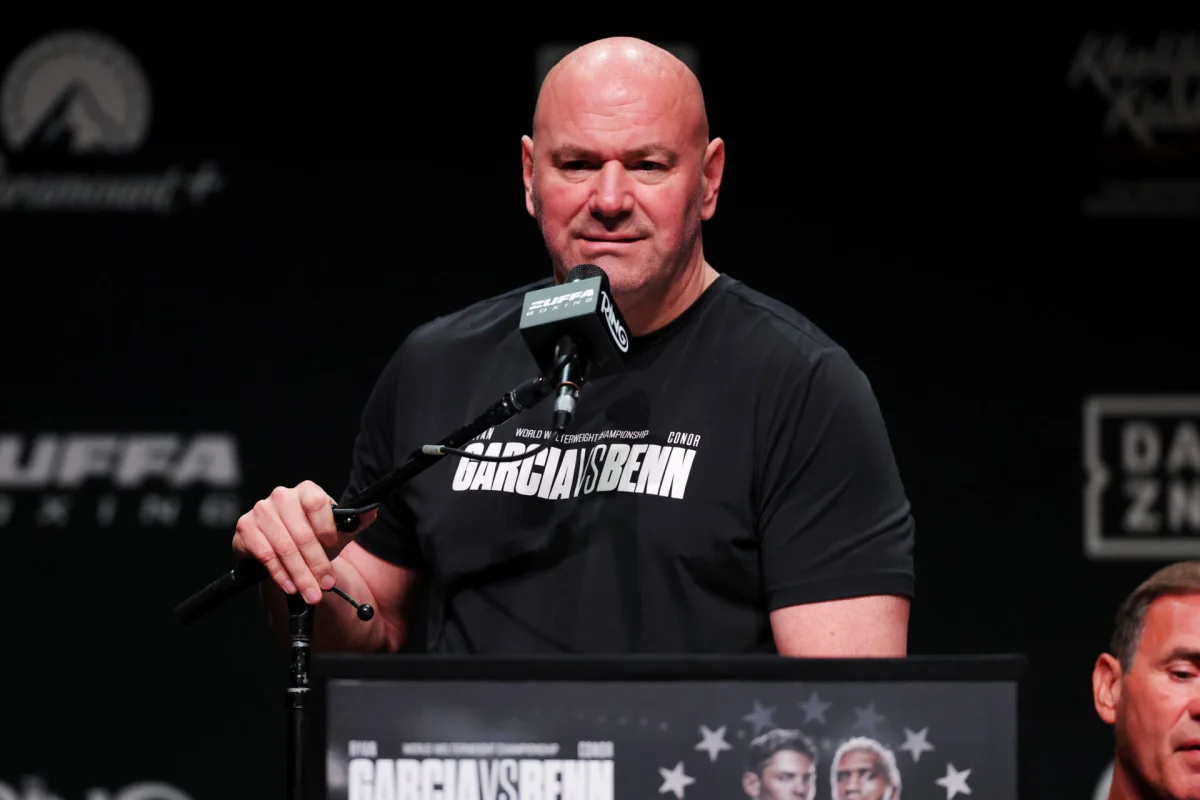
Colby Covington’s dispute with the UFC has become a pointed argument about what its fighters earn. He says the reported $15 million paid to Conor Benn for a single-fight deal with Dana White’s Zuffa Boxing makes the gap with UFC compensation hard to ignore.
“Ever since they got into the boxing space with Zuffa Boxing, it just was like a big slap in the face to us UFC fighters,” Covington said in an interview with Ozoon Canada. His criticism puts the new boxing venture at the center of his wider complaint about the UFC’s pay model.
A pay contrast at the heart of Covington’s criticism
The comparison is striking because the figures cited in the dispute point to very different arrangements. Benn reportedly earned $15 million for his single-fight Zuffa Boxing deal. The UFC, by contrast, shares less than 20 percent of its revenue with fighters, according to the source report.
Those figures give Covington a clear line of attack: a major boxing name can command a reported eight-figure fee for one bout, while UFC fighters receive a smaller share of the promotion’s overall revenue. The comparison doesn’t establish that every fighter in either sport earns the same way, or that one deal represents the full terms across a roster. But it explains why the Benn figure has become a sharp point in a debate over how much value fighters receive.
Covington also took aim at Benn’s performance against Ryan Garcia, dismissing Garcia as “nothing special” and saying Benn was out after three or four rounds. He claimed Benn “went out there to collect a paycheck and just quit.” Those are Covington’s characterizations; his broader argument is that the reported payment is difficult to reconcile with his view of UFC fighter compensation.
For the UFC, the criticism carries added weight because Covington had publicly supported the promotion and White before their relationship soured. A fighter’s shift from vocal backing to public criticism can draw attention to pay questions, though his own history with the company is part of the context fans will weigh.
A break with the UFC shapes the timing
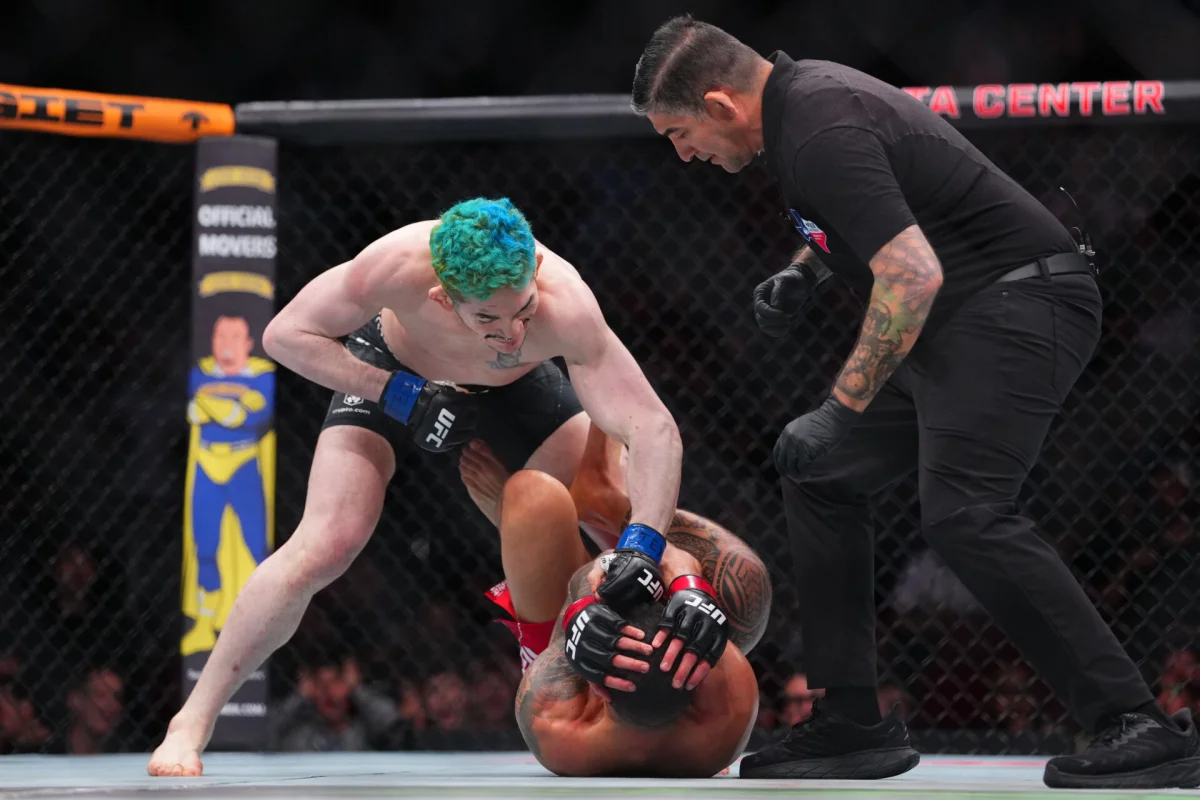
Covington’s UFC career ended in 2026 after he was denied the place he wanted on the UFC Freedom 250 card. He retired from UFC competition after that dispute, then went public with complaints that included fighter pay. He has also accused the UFC of forcing fighters to accept matchups, and criticized Islam Makhachev and Khabib Nurmagomedov for staying silent on compensation.
That sequence makes it difficult to separate his pay argument from the circumstances of his exit. The source report says it’s unclear whether his push for better compensation reflects a longstanding conviction or a response to a hostile end to his UFC career. Both can be relevant: a personal grievance may explain why he’s speaking now, while the pay figures he cites remain a distinct subject for fighters and fans to debate.
Covington was once a vocal UFC supporter. His change in tone shows how quickly that relationship can turn when a fighter believes the promotion has overlooked him. The dispute over his requested spot also gives his criticism a specific trigger, while his comments about fighter pay extend the argument beyond his own booking.
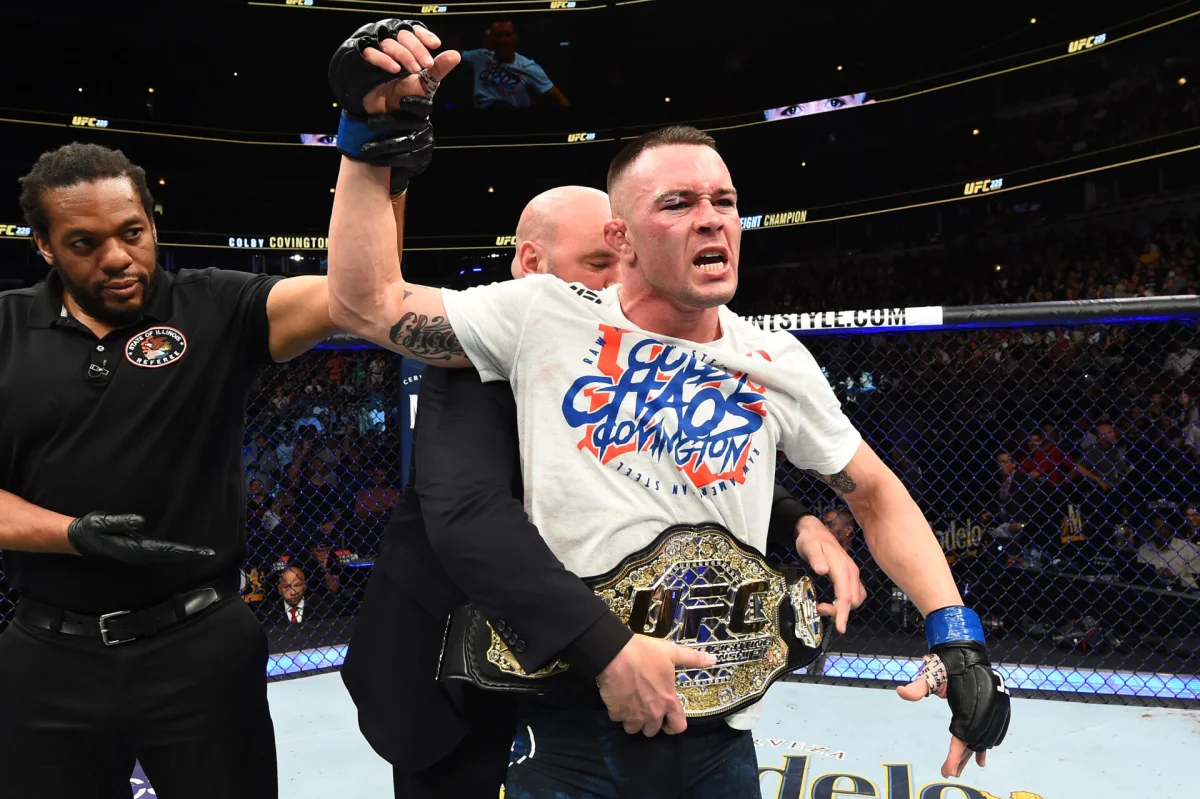
The image recalls a very different chapter: White placed the interim welterweight belt on Covington after he defeated Rafael Dos Anjos at UFC 225 in 2018. Now, Covington is using White’s boxing venture to argue that UFC fighters deserve a better share. The contrast between those moments gives his remarks their edge, even as his departure complicates how his motives are read.
What the criticism puts in focus
Covington’s comments don’t supply a detailed proposal for changing UFC pay, and the reported Benn fee alone cannot settle the wider debate. They do make one pressure point plain: when a high-profile boxing deal reaches $15 million, fighters and fans are likely to compare it with the share athletes receive in other parts of the business.
That comparison could keep the compensation debate alive as Zuffa Boxing develops and the UFC continues operating under its existing model. For Covington, the immediate issue is no longer a return to the Octagon; he has retired from UFC competition. His critique now rests on whether the reported boxing payday makes his case to fans who have followed both his career and his break with the promotion.