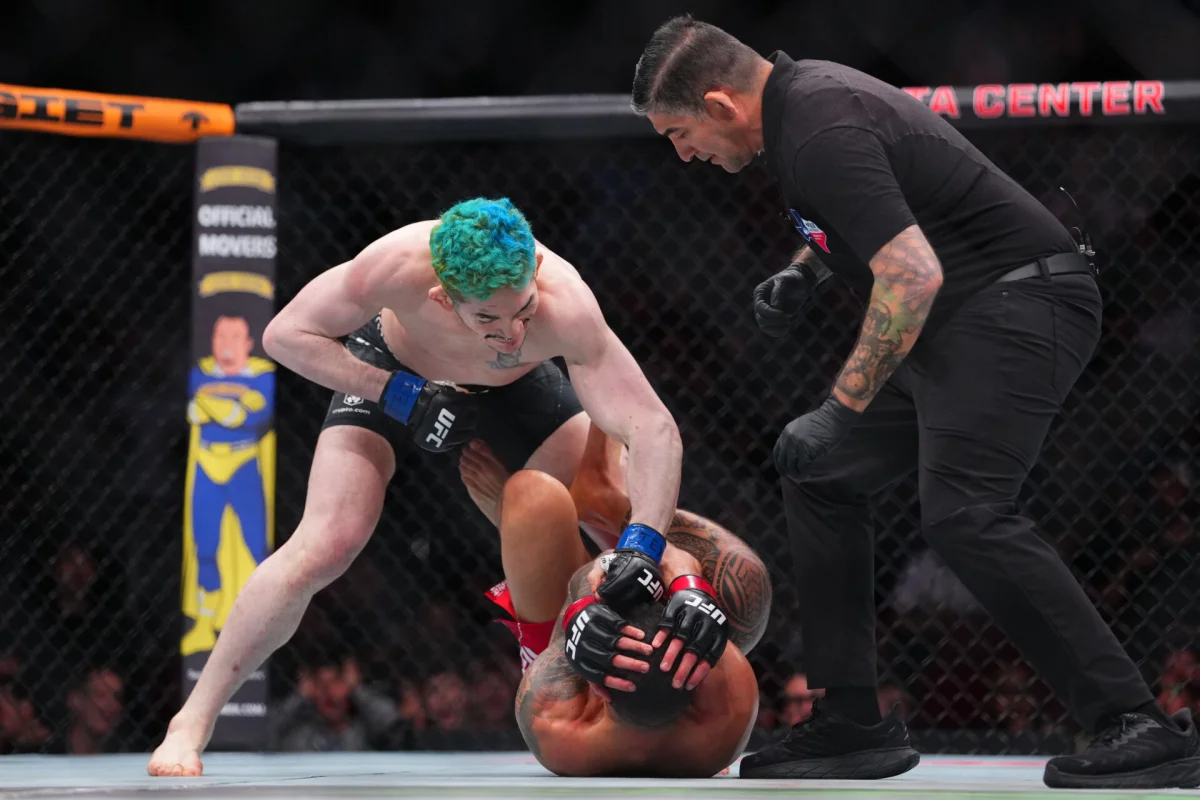
Kepa Acero, Natxo Gonzalez and Miguel Blanco Find Empty African Waves at a Cost
The trio found uncrowded surf on a punishing African trip, where sickness, rough channels and a failing camera battery came with the waves.
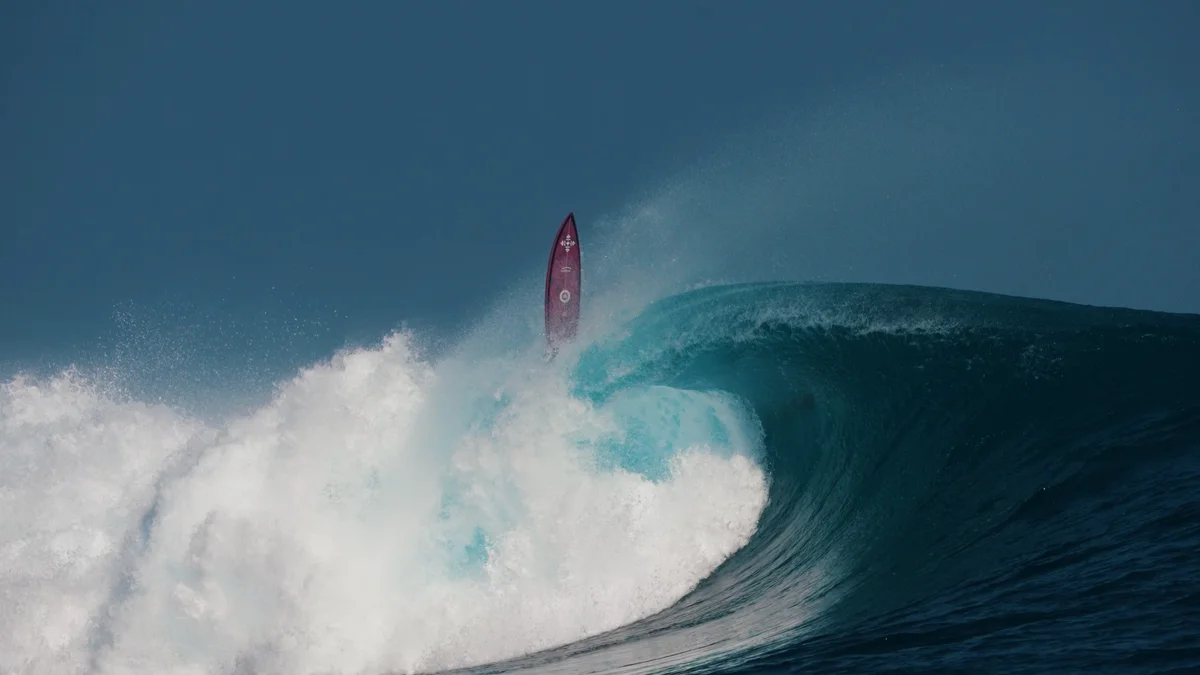
The appeal of an empty lineup can come with a steep price. Kepa Acero, Natxo Gonzalez and Miguel Blanco found exceptional waves on a remote trip in Africa, but the surf came with illness, basic living conditions and a filming effort that couldn’t capture the session as planned. Their story is a reminder that getting a wave to yourself can demand far more than simply traveling beyond the crowds.
The cost of reaching the lineup
Warm water, quality surf and an uncrowded break make an enticing combination. In remote places, though, the journey can mean giving up the comforts that make a surf trip easy: convenient flights, comfortable accommodation and familiar food. This expedition offered little support on land. The group stayed in a wooden shack without toilets or basic infrastructure, and clean water and reliable electricity weren’t guaranteed.
Those conditions soon became more than background discomfort. Miguel Blanco said the group members fell ill at different points during the trip. Natxo Gonzalez was sick early on; the filmer, John Aspuru, became ill midway through; Blanco came down with it near the end. The staggered timing meant the expedition had to absorb repeated setbacks rather than one bad stretch that everyone could put behind them together.
“We were in the middle of nowhere sleeping in a wooden shack. No toilets, no infrastructure for basic needs,” Blanco said. “We struggled for sure because we were all getting sick at different times.” The account makes clear that the hardship wasn’t a brief interruption to a comfortable trip. It was part of the setting they had chosen to reach.
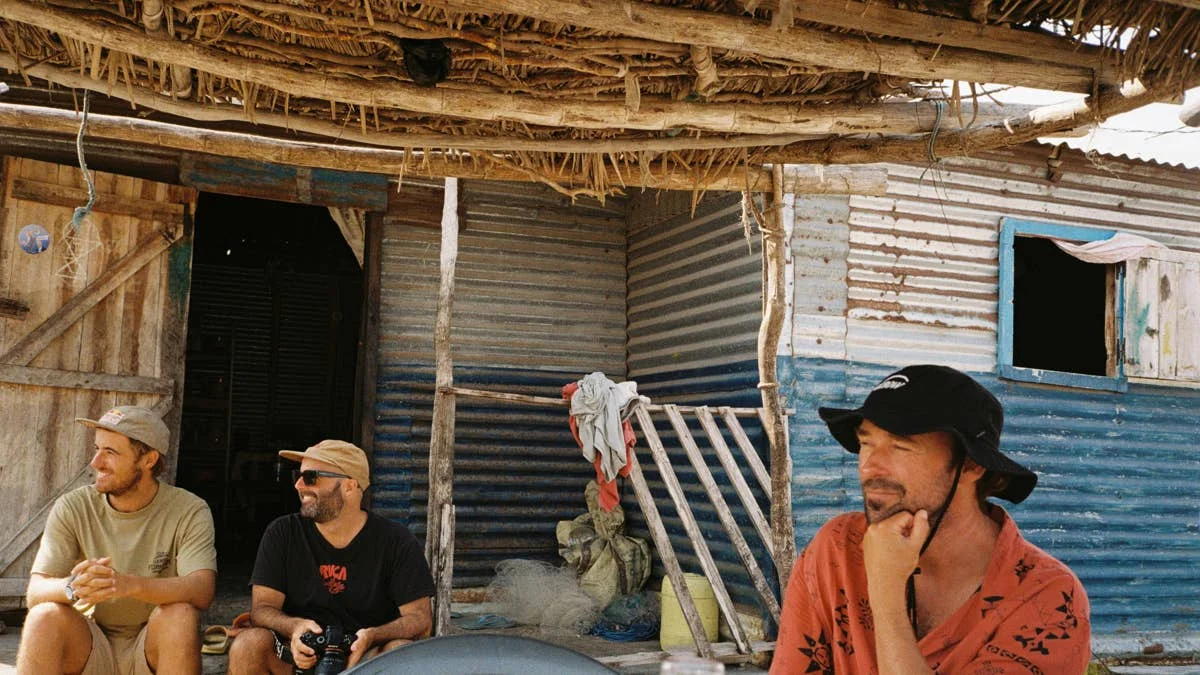
Miguel Blanco
Acero was the exception on the health front. Blanco joked that Acero may have avoided getting sick by sleeping outside throughout the trip, despite the snakes, scorpions and spiders nearby. He described him as a seasoned traveler and explorer who has been to many places. The image is striking: the group faced difficult conditions together, while Acero’s willingness to sleep outdoors became part of the trip’s story.
Great waves, difficult logistics
Gonzalez joined at the last minute after learning that Acero and Blanco were heading deep in search of uncrowded surf. He remembered the waves as the trip’s defining reward: “We scored amazing waves all to ourselves. It was sick.” That solitude mattered. For surfers prepared to travel far beyond established comforts, an empty lineup can make the difficult journey feel worthwhile.
Yet the same remoteness that kept other surfers away also made the sessions hard to document. Gonzalez said the channels were rough, and the boat captain insisted on anchoring. Those conditions made it difficult for Aspuru to get clean footage during some of the best surf. The team had to manage a second challenge alongside finding waves: putting a filmer in position while the water and boat setup worked against him.
That challenge came into focus during the trip’s best session. Aspuru charged his camera battery overnight using a generator, then put the camera into its housing and swam out for a closer angle. Once he reached his position, he discovered the battery was nearly dead. The generator hadn’t supplied enough power. He captured Blanco’s first wave, including a tube where Blanco placed his hand along the wave’s top, but couldn’t film the rest of the session.
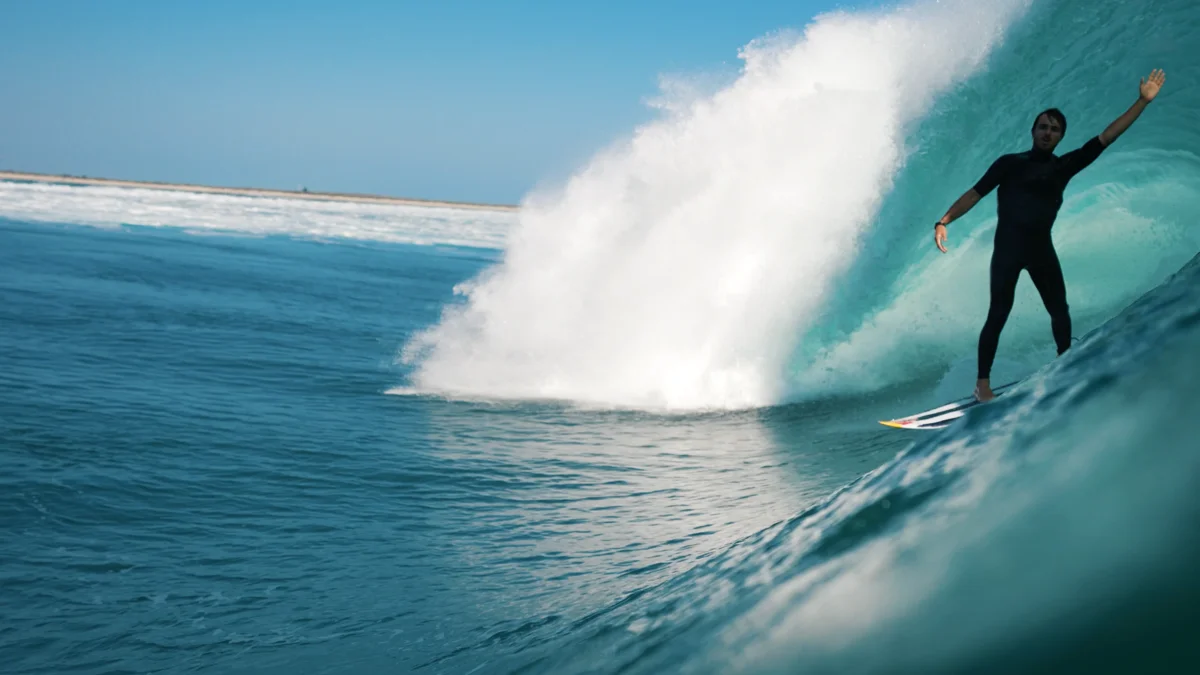
Jon Aspuru
It’s an unusually clear example of how exploration can turn on small practical details. The waves were there, and Aspuru made it into position, but the power supply failed to keep the camera running. The missing footage doesn’t diminish what the surfers experienced; it does leave the best session mostly with the people who were in the water. As Blanco put it, after that first wave, there were no more shots—just memories.
A reward that stays with the surfers
Blanco’s trip began with an epic stop, and he continued taking chances across Africa. The account doesn’t name the surf spot, and the closing advice is blunt: finding it and getting there won’t be easy. For surfers considering a similarly remote search, the story offers no promise that the reward will outweigh the cost. It shows what the trade can look like: uncrowded waves set against illness, sparse facilities, difficult boat access and unreliable power.
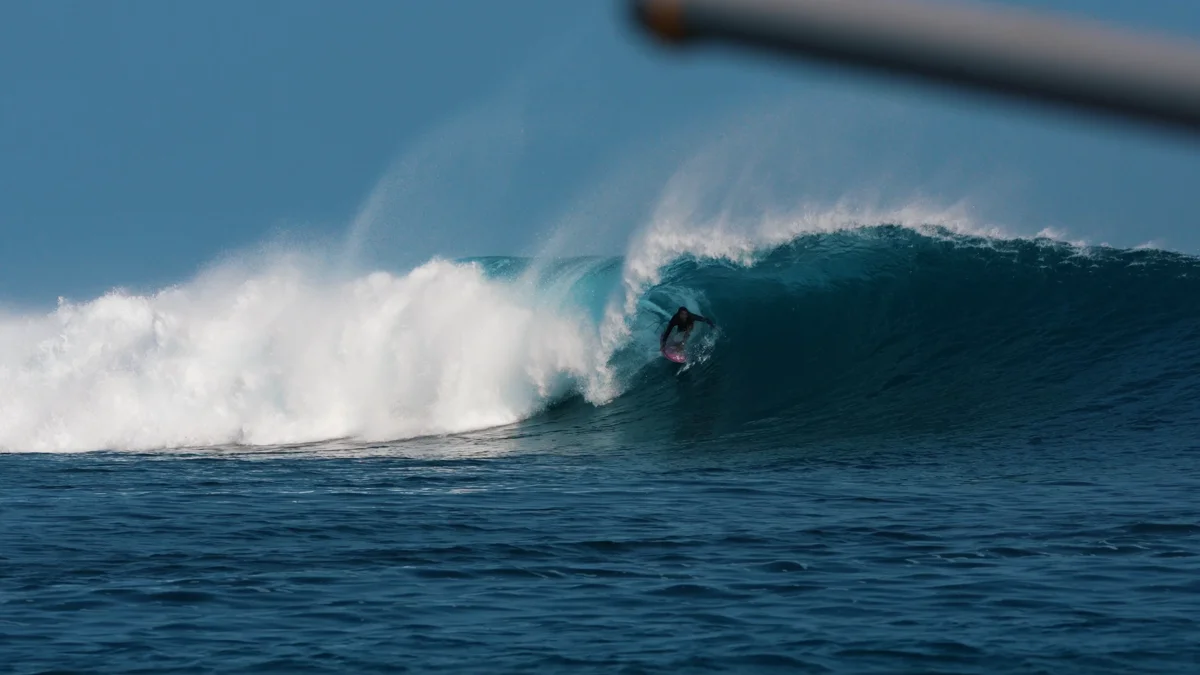
Jon Aspuru
The footage may not show every ride, but the limits of the expedition are part of its meaning. Acero, Gonzalez and Blanco reached waves they could surf alone, while the people and equipment needed to record them struggled to keep pace. That’s the lasting calculation behind trips like this: the best moments can be hard won, and sometimes the memory is the only record that survives.