Climate Risks Put 57 Major Surf Breaks Under Pressure, Study Finds
A survey of 57 major breaks found widespread risks from sea level rise and shifting shorelines, while natural coasts showed greater ability to adapt.
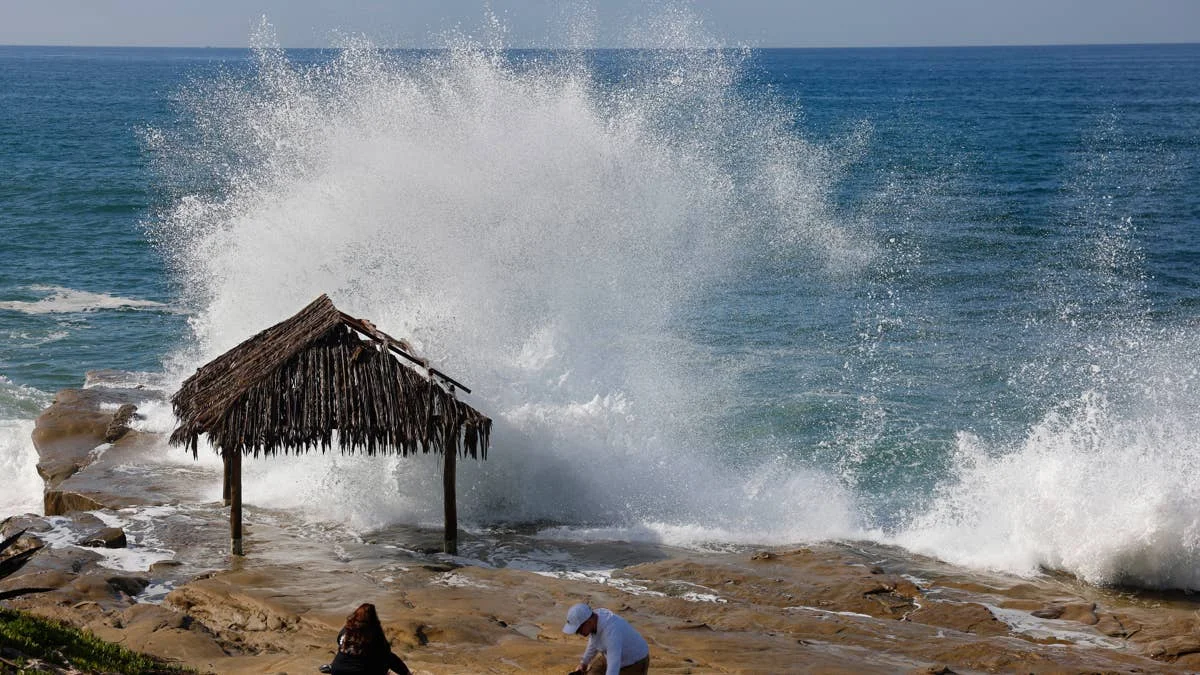
Surfers can spot a coastline changing before the damage is obvious from shore. That local knowledge is central to a new study of 57 internationally significant surf breaks: more than 200 surfers helped assess the waves, and the findings point to widespread exposure to climate change and coastal development.
The study, published in the journal Climate Change, found that 89% of the breaks face medium or high risk because their shorelines have limited resilience. Rising sea levels put 79% in those risk categories, while changing seafloor composition and shifts in sediment put 75% there. The figures describe overlapping pressures on places where wave quality depends on a finely balanced coastal system.
“We learned directly from the local surfers how they are seeing their waves change,” said Trent Hodges, senior programs manager at Save the Waves Coalition and one of the paper’s authors. “It’s a canary in the coal mine too; when a wave changes, that often means the beach is changing, and that affects everybody.”
MediaNews Group/Orange County Register via Getty Images / Getty Images
Why a break can be vulnerable
A surf break forms through the interaction of factors including the shoreline, seafloor, sediment and incoming swell. Alter one part and the wave can change with it. “Surf breaks are incredibly unique oceanographic phenomena. A confluence of many factors that fit together just right to make the wave happen, and so those processes are really sensitive,” said Dan Reineman, an associate professor at California State University Channel Islands and a study coauthor.
That sensitivity makes a break a useful signal of what is happening along its coast. Changes in sand movement, the tides that work for a spot, or the way a wave breaks can point to broader shifts in the beach. Surfers who return to the same places have a close view of those changes over time, making their observations valuable alongside formal assessments.
The researchers assessed waves in all but two of the 13 World Surfing Reserves, across eight countries. Those reserves include celebrated breaks that often have some form of coastal protection. Their exposure raises a wider question: if highly recognized surf locations face these pressures, what might be happening at less studied breaks?
The study rates Croyde in the UK, Noosa in Australia and Oriente Salvaje in El Salvador among the breaks at greatest risk, along with California reefs Sewer Peak and Windansea. The threats don’t stop at a wave losing a section or breaking differently. They can reach the beaches, local economies and communities built around surfing.
The stakes extend beyond the lineup
In Santa Cruz, surfing brings in about $200 million a year, according to the paper. In other places, the local economy can depend even more heavily on surf tourism. Reineman described eastern El Salvador as home to exceptional point breaks, with an economy “pretty much dependent on surfing.” A change to the coast there could therefore affect livelihoods as well as the character of the waves.
The authors’ assessment also identifies a reason for cautious optimism: coastlines that remain more natural were better able to adapt. They can shift inland and move sediment as conditions change, keeping more room for the coastal processes that shape a break. That finding points toward practical choices about how beaches are managed and developed.
MediaNews Group/Orange County Register via Getty Images / Getty Images
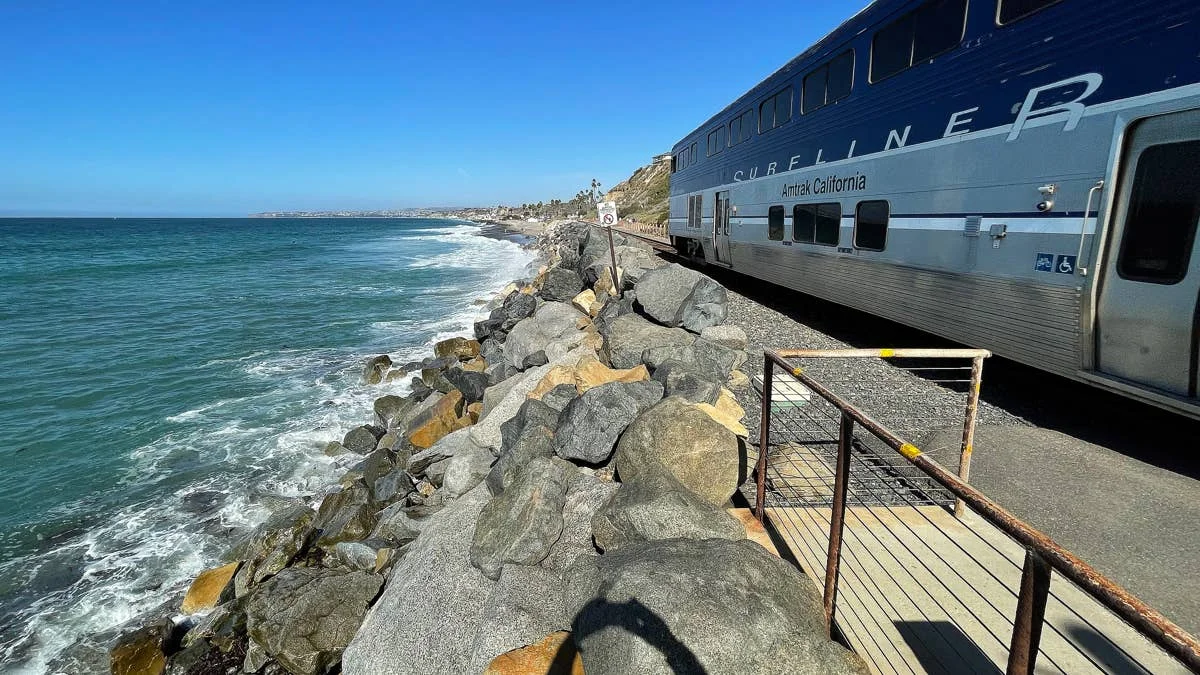
Reineman warned that sea walls, jetties and groynes can make beaches and nearby waves less resilient. Such structures can constrain the natural movement of sand and reflect wave energy back toward the shore. The researchers point instead to softer protections, including restoring dunes, mangroves and coastal wetlands, which can buffer rising seas while preserving more natural coastal movement.
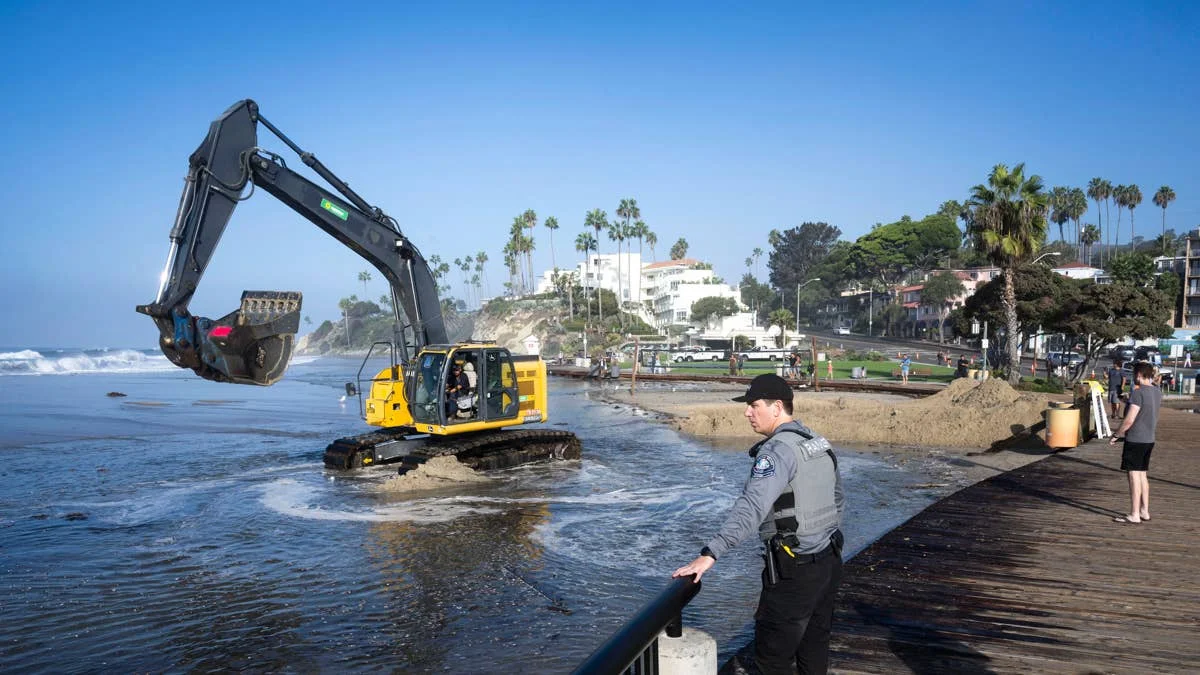
Coastal development can add pressure in other ways, too. Runoff and sewage controls matter to the health of surf areas, while construction can alter local winds or obstruct the swell window. The study’s findings make the case for considering those effects together: the same stretch of coast can be shaped by sea level, sediment movement and decisions about what gets built there.
Local observations can help shape action
The researchers want more surfers to use SurfCAT, the assessment tools developed for the study, to evaluate breaks in their own areas. Their observations can help identify where conditions are changing and give coastal groups a clearer basis for protecting shorelines from damaging development and climate pressures.
That work starts with details regular visitors can recognize: sand shifting from one season to the next, a tide window changing, or a wave no longer breaking as it used to. Logging those patterns turns individual experience into information that can help explain what is happening along the coast.
The study’s central message is that surf breaks and beaches are linked. A wave’s changing shape may be the first visible sign of a coast under strain, while a natural shoreline may retain more ability to adjust. Surfers are well placed to notice the early clues; recording them gives communities more time to respond before a valued break and the beach around it change further.